President Félix Tshisekedi unveils a new national dialogue initiative for the Democratic Republic of Congo
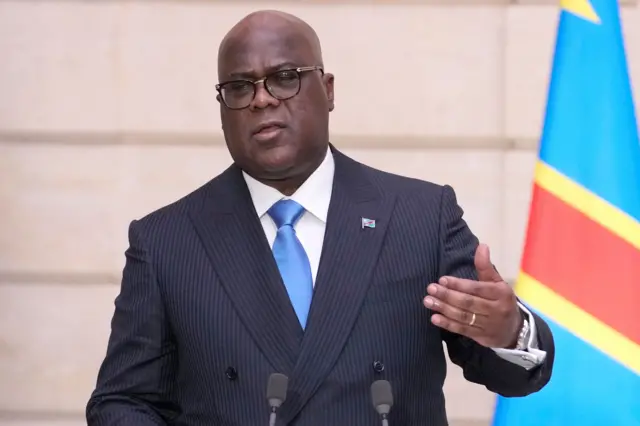
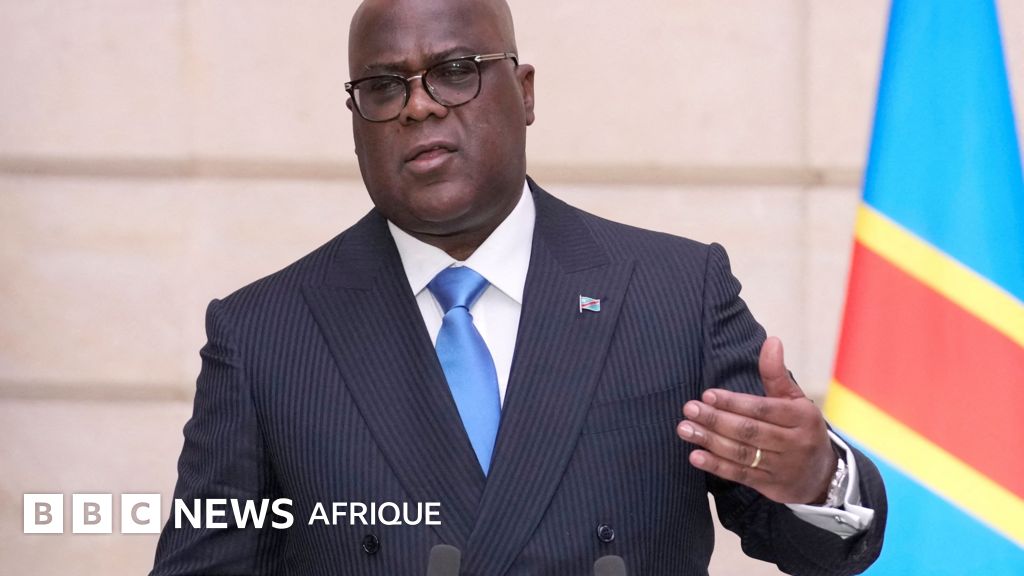
President Félix Tshisekedi of the Democratic Republic of Congo has launched a national dialogue initiative aimed at addressing the country’s persistent security, political and social crises. Announced during a nationwide address on August 27, this process is designed to differ significantly from previous national dialogues held in the DRC.
The initiative, titled ‘National Dialogue for Peace, Cohesion and State Refoundation’, is being positioned as a locally driven solution rather than a centralized process originating in Kinshasa. President Tshisekedi emphasized that consultations will begin at the grassroots level, moving across all 26 provinces before culminating in national assemblies in the capital.
Ground-up consultations to drive the dialogue
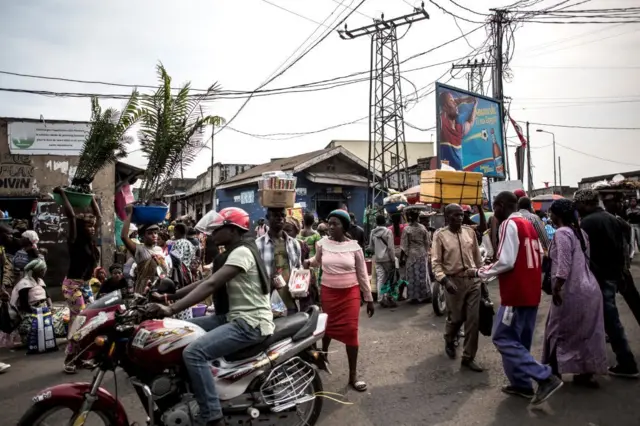
Provincial forums will bring together a wide range of stakeholders, including national and provincial elected officials, representatives from both ruling and opposition parties, civil society leaders, traditional chiefs, religious figures, and economic, academic, and scientific actors. The goal is to allow each province to conduct an independent assessment of its challenges.
These assessments will then inform the national dialogue sessions in Kinshasa, where participants will identify the root causes of recurring crises, such as insecurity, land disputes, communal tensions, administrative inefficiencies, inequality, and development obstacles. President Tshisekedi stressed that this approach ensures the process is ‘designed by and for Congolese citizens’.
Presidential decrees to shape the process
The President announced the upcoming signing of two presidential decrees. The first will establish an organizing committee responsible for logistical, administrative, and material preparations, as well as ensuring the necessary conditions for the dialogue’s success. The second decree will officially convene the dialogue and detail participant representation, process stages, and mechanisms for monitoring the implementation of recommendations.
The dialogue is expected to span a maximum of three months. At its conclusion, a ‘National Pact’ is anticipated, accompanied by a permanent mechanism to oversee the commitments made during the process.
Red lines and exclusions in the dialogue
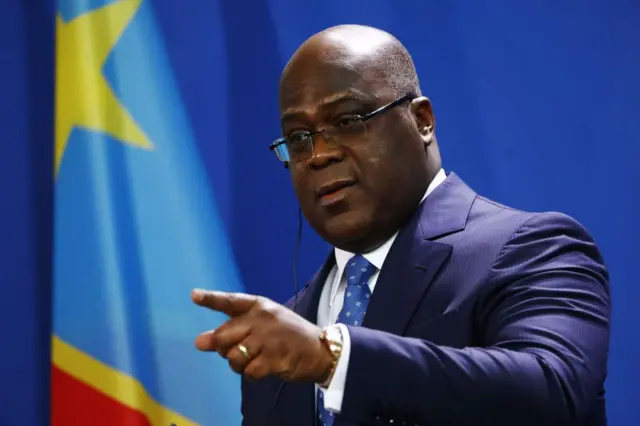
President Tshisekedi made it clear that certain principles are non-negotiable. He firmly rejected the idea that the dialogue could be used as a platform for power-sharing, stating, ‘We have too often responded to crises by sharing power rather than strengthening the state.’
He also ruled out any challenge to the legitimacy of institutions established after the 2023 elections and reaffirmed the need to uphold constitutional order. Additionally, he excluded armed groups from participating, declaring that while all opinions and criticisms are welcome, ‘no one can claim a seat at the national table while taking up arms against the nation.’
This stance particularly affects militant factions operating in the eastern regions of the DRC, even as diplomatic negotiations with certain armed groups continue in other forums.
Mixed reactions from political figures
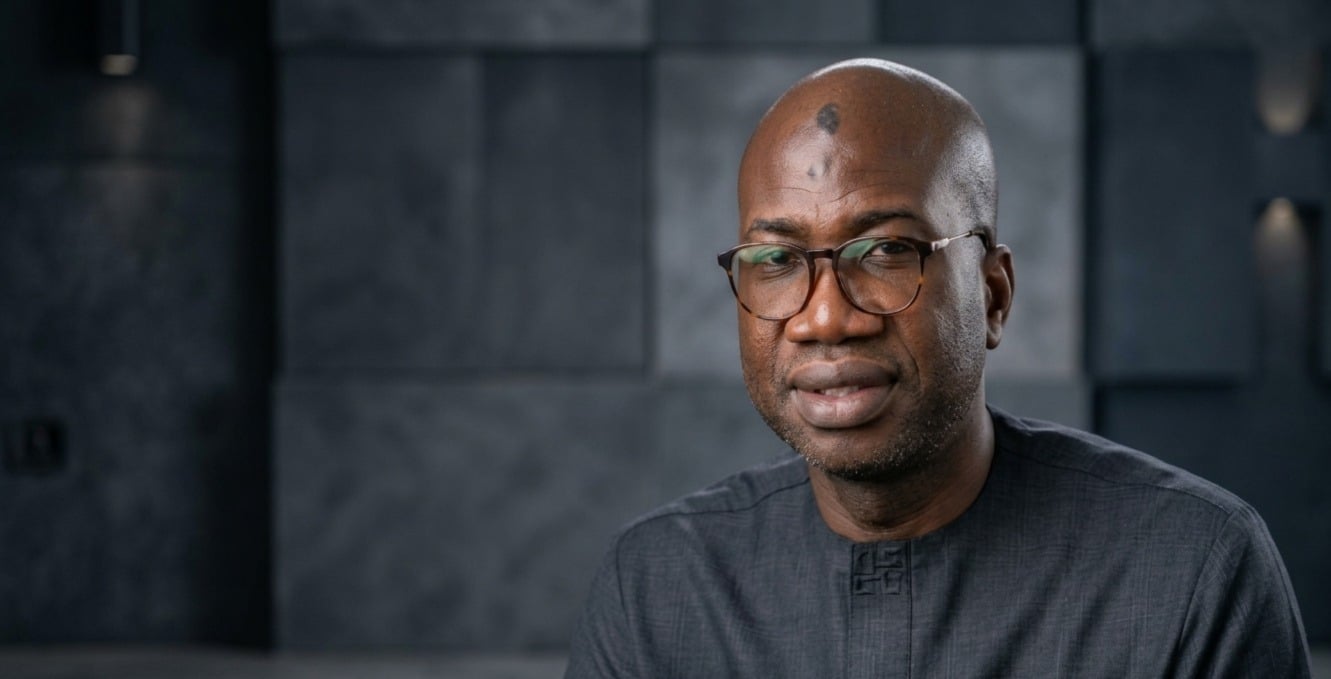
The announcement has received a lukewarm response from some opposition leaders. Claudel Lubaya, a prominent opposition figure, criticized the President’s address, calling it a ‘missed opportunity with history’. He argued that the proposed dialogue fails to address the magnitude of the crises facing the country, describing the initiative as lacking both vision and adequate responses.
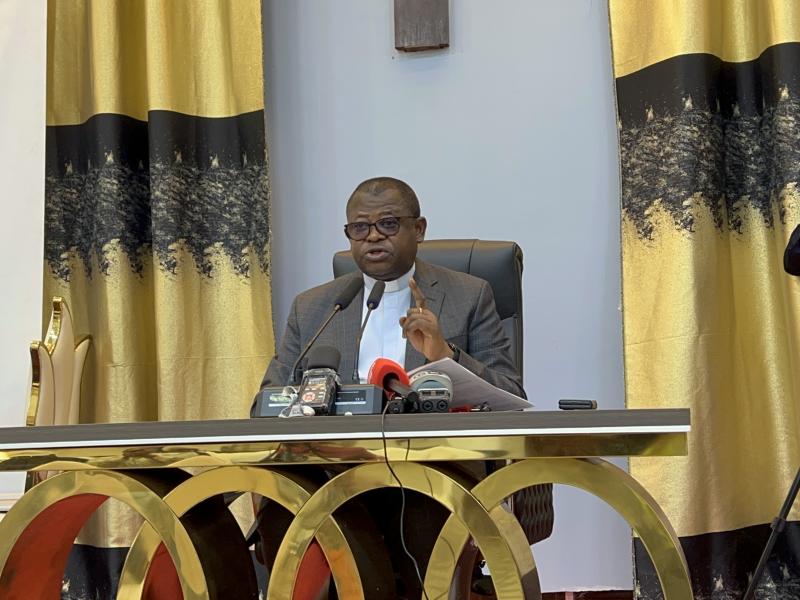
Christian Mwando Nsimba Kabulo, another opposition leader, questioned the inclusivity of the process. He described the initiative as a ‘large-scale public gathering’ unlikely to resolve the conflict, and raised concerns about the absence of the term ‘inclusive’ in the President’s discourse. He also questioned the compatibility of this new framework with ongoing peace talks in Doha involving certain armed groups.
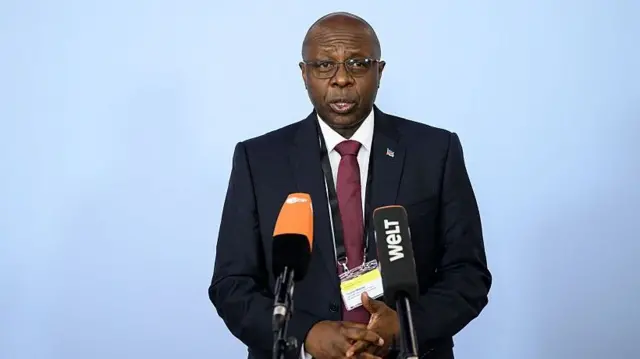
In contrast, Jean-Claude Katende, president of the African Association for Human Rights (ASADHO), welcomed several aspects of the President’s speech. He particularly praised the refusal to entertain power-sharing as a solution to the country’s challenges. Katende also commended the emphasis on citizen participation and the establishment of mechanisms to ensure the follow-up of adopted resolutions. However, he urged caution, stating that the President’s words must be matched by tangible actions rather than mere political rhetoric.
A political test for the government
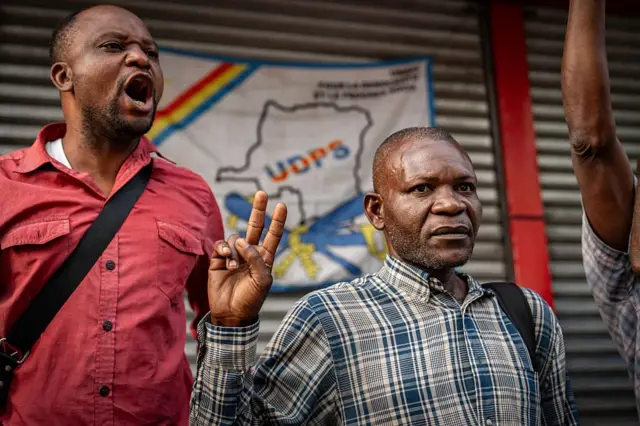
The launch of this national dialogue marks a critical juncture for a country grappling with persistent insecurity in its eastern regions and deep political divisions. For the government, the challenge lies in convincing political forces, civil society, and the broader population that this process can yield meaningful results. Meanwhile, the opposition remains skeptical, questioning whether this initiative will serve as a genuine platform for national consensus or merely an extension of the ruling coalition’s agenda.
The upcoming presidential decrees are expected to shed light on the composition of the preparatory committee and the precise modalities for participation in the national assemblies. These details will be closely scrutinized as stakeholders assess the potential of this dialogue to bring lasting stability to the Democratic Republic of Congo.