Recent coordinated attacks in Mali have laid bare the fragility of regional alliances and the symbolic collapse of Russia’s influence in the Sahel. While the Mali government downplays fears of a coup, the situation underscores a deeper crisis: the inability of Burkina Faso, Niger, and Mali’s Alliance of Sahel States (AES) to deliver on security promises. The Economic Community of West African States (ECOWAS), now sidelined after Mali’s withdrawal, struggles to regain relevance amid political calculations and hollow declarations.
military setbacks and regional paralysis
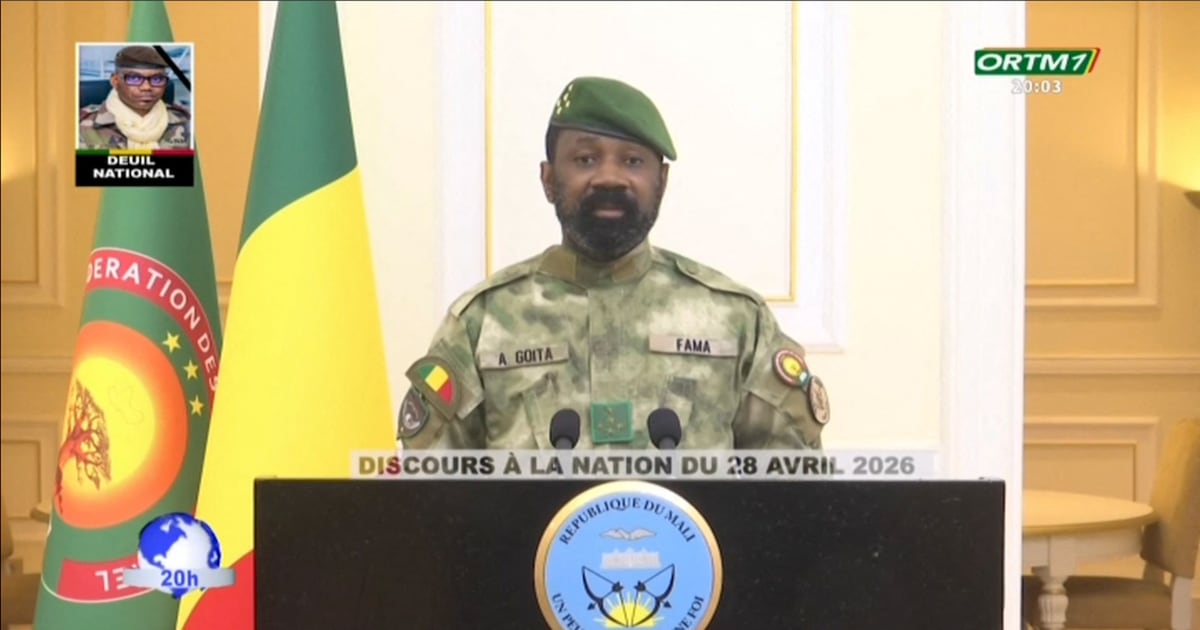
Bakary Sambe, director of the Timbuktu Institute and researcher at Gaston Berger University in Senegal, argues that the 25 April attacks, which killed Defense Minister Sadio Camara, symbolize more than a tactical loss—they expose systemic weaknesses. Mali’s military leadership, now led by General Assimi Goïta, faces internal divisions, while armed groups like the Front de Libération de l’Azawad (FLA) and JNIM exploit the chaos. Despite Burkina Faso and Niger’s rhetorical support, their own security crises—marked by frequent terrorist assaults—prevent meaningful intervention.
The Liptako-Gourma Charter, the AES’s foundational document, mirrors NATO’s mutual defense clause in theory. Yet, in practice, Ouagadougou and Niamey prioritize domestic stability. Niger even declared a national fasting day for counterterrorism, highlighting the gap between policy and action. As Sambe notes, « the crisis reveals the impotence of regional alliances ».
diplomatic maneuvers and shifting alliances
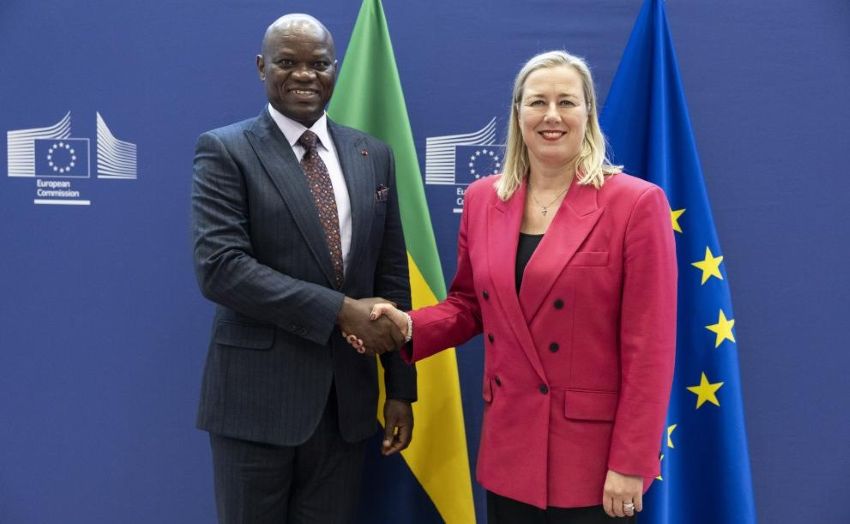
In a rare show of unity, ECOWAS, African Union, France, EU, and Russia convened in Lomé to address Sahel security. While the meeting aimed to counter fragmentation, Mali’s foreign minister, Abdoulaye Diop, insisted on dialogue grounded in state sovereignty—signaling a cautious thaw. Yet, ECOWAS’s credibility remains strained after its failed Niger intervention in 2024.
The African Union has pinned hopes on « continental mechanisms », though their efficacy is unproven. A proposed ECOWAS counterterrorism brigade of 1,650 troops by late 2026 may materialize, but broader peacekeeping missions face skepticism. As Sambe warns, « isolating the central Sahel from West Africa is a strategic blunder ».
Russia’s crumbling influence and america’s return
The 25 April attacks dealt a symbolic blow to Russia, whose Africa Corps paramilitaries withdrew from Kidal. The death of Sadio Camara, a vocal Moscow ally, epitomizes the Kremlin’s dwindling leverage. Analysts suggest Washington may seize this vacuum, with U.S. diplomats resuming visits to Bamako—even after their expulsion from Niamey. Geostrategic interests, including resource control, could drive deeper U.S. engagement in Mali.
threats to coastal west africa
While Mali’s turmoil dominates headlines, neighboring states like Senegal, Mauritania, and Côte d’Ivoire watch Burkina Faso warily. Togo, under Foreign Minister Robert Dussey, is attempting to bridge divides, but concrete steps remain elusive. The fear of a domino effect looms, though Burkina Faso’s jihadist alliances lack the popular support needed for large-scale destabilization.
For now, Mali’s crisis has paradoxically strengthened national cohesion. Public rallies in Bamako reflect renewed patriotism, leaving little room for dissent. Yet, as Sambe concludes, « the Sahel cannot be severed from West Africa »—a reality that demands renewed collaboration, not fragmentation.