Russia’s evolving security role in Mali and the Sahel amid escalating armed conflicts
Russia’s expanding defence partnerships in the Sahel face fresh scrutiny as Mali grapples with intense rebel offensives and shifting military alignments.
Recent large-scale rebel offensives in Mali have cast doubt on the effectiveness of Russian security support in the region. Following coordinated attacks by armed groups on military bases across the country, including the capital Bamako, the Malian government insists the situation is under control with Russian aerial backing preventing rebel advances.
Yet the conflict’s volatility persists. Tuareg separatists and al-Qaeda-linked fighters have vowed to encircle Bamako, while key northern cities like Kidal remain under threat. The Malian military’s struggle to reclaim territory raises critical questions about external security partnerships, particularly Moscow’s role in the Sahel.
Military setbacks challenge Russian security assurances in Mali
A coordinated offensive on Saturday saw armed groups seize multiple cities, including Kidal, Gao, Sevare and Kati—home to major military installations. The attack resulted in the death of Mali’s Defence Minister Sadio Camara, a key architect of the country’s military alliance with Russia.
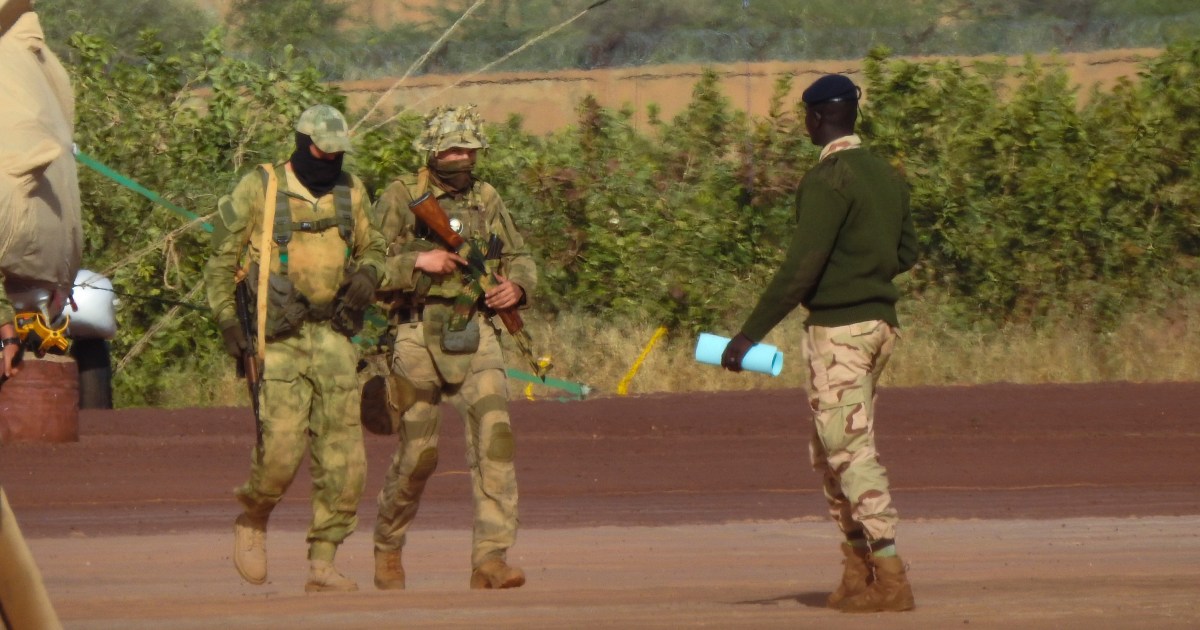
Analysts now question the credibility of Russian security commitments after reports confirmed the withdrawal of Africa Corps forces from Kidal. The Russian Defence Ministry unit, which replaced the Wagner Group, had been operating alongside Malian troops in the northern stronghold.
From Wagner to Africa Corps: a shift in strategy and tactics
Russia deployed around 2,000 fighters in Mali following the withdrawal of French and UN forces in 2021. Initially under the Wagner Group, operations shifted to the state-backed Africa Corps after the 2023 death of founder Yevgeny Prigozhin.
While Wagner was known for aggressive tactics, Africa Corps has adopted a more defensive posture. This change in approach may have contributed to the rapid rebel advances. Reports indicate that Russian forces negotiated their exit from Kidal, reportedly with Algerian mediation, leaving behind significant military equipment.
Regional implications: how the Mali crisis affects Russia’s Sahel strategy
Mali, Burkina Faso and Niger formed the Alliance of Sahel States (AES) in 2023, distancing themselves from the Economic Community of West African States (ECOWAS) amid criticism over regional coups. This alliance reflects a broader shift away from Western security partnerships toward alternative allies like Russia.
Russia has positioned itself as a non-colonial partner in the Sahel, leveraging Africa Corps to expand influence. However, the recent setbacks in Mali—including the loss of Kidal, a symbolic Tuareg stronghold—have undermined this narrative. Analysts suggest that the withdrawal and lack of resistance have damaged Russia’s reputation as a reliable security partner.
Assessing Russia’s footprint beyond Mali
Russia maintains a limited presence in Burkina Faso (100–300 troops) and Niger (~100 troops), primarily in advisory roles. While Wagner’s earlier interventions in Mali helped regain control in Kidal in 2023, the recent failures highlight the limitations of Moscow’s military strategy in the region.
“Africa Corps has really lost credibility,” said Ulf Laessing of the Konrad-Adenauer Stiftung. “They didn’t put up a fight on Saturday and have left Kidal, which is a highly symbolic Tuareg stronghold. They left behind a lot of equipment, a whole drone station. This gives the impression that they don’t really care—but they were probably outnumbered.”
What’s next for Mali and its Russian partners?
As rebel groups tighten their grip on northern cities and vow to besiege Bamako, the Malian government faces mounting pressure. The recent attacks have exposed vulnerabilities in both the national military and its foreign allies.
Russia’s Defence Ministry claims ongoing operations continue, releasing videos of Africa Corps targeting rebel positions. Yet skepticism persists regarding the effectiveness of these efforts. With doubts growing over Russia’s ability to safeguard its partners, the long-term viability of Africa Corps in the Sahel remains uncertain.
“Russia will struggle to attract new clients for the Africa Corps because they just didn’t do their job—it’s reputational damage,” Laessing concluded. “What has happened in Mali raises serious questions about their reliability.”