Senatorial scrutiny: could Ousmane Sonko face removal from Senegal’s National Assembly?
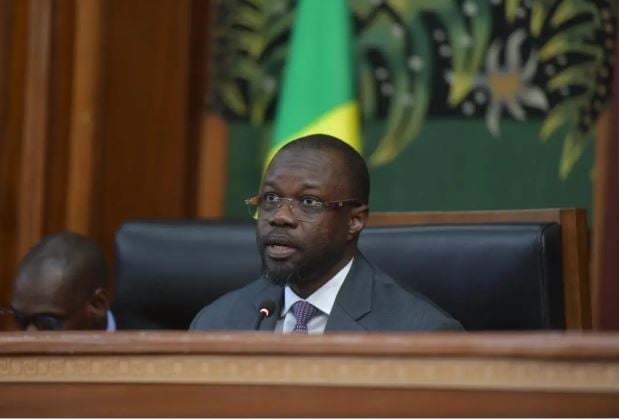
The Constitutional Council is now deliberating on whether opposition leader Ousmane Sonko should retain his seat in the National Assembly, following intense legal challenges from rival political factions. The case centers on allegations of institutional incompatibility, with lawmakers questioning the legitimacy of his continued presence in the legislative body.
Legal experts emphasize that the Council’s decision could set a significant precedent for Senegal’s political landscape, particularly regarding the separation of powers and the enforcement of parliamentary ethics. Sonko’s supporters argue that his removal would constitute an unprecedented judicial interference in legislative affairs, while critics insist that the Constitution must prevail regardless of political affiliations.
Key legal arguments in the constitutional review
The controversy stems from conflicting interpretations of Senegal’s constitutional provisions on parliamentary eligibility. Opponents of Sonko’s continued service point to specific clauses they claim he violates, while his legal team contends that these objections lack substantive legal foundation. The Council’s deliberations hinge on whether these allegations meet the threshold for disqualification under national law.
- Institutional integrity: The case raises questions about maintaining public trust in Senegal’s democratic institutions, particularly when high-profile political figures face scrutiny.
- Precedent setting: A ruling against Sonko could establish new standards for how parliamentary membership disputes are resolved in future cases.
- Political fallout: The decision is expected to have immediate repercussions across Senegal’s political spectrum, potentially reshaping alliances and opposition strategies.
Implications for Senegal’s democratic framework
The Constitutional Council’s ruling will likely influence broader discussions about governance and accountability in Senegal. Political analysts suggest that the outcome could either reinforce confidence in the judiciary’s role as an arbiter of constitutional disputes or spark renewed debates about the balance between judicial and legislative authority.
As the Council prepares to issue its verdict, attention remains focused on how Senegal’s democratic institutions will navigate this high-stakes legal challenge while preserving the integrity of its parliamentary processes.