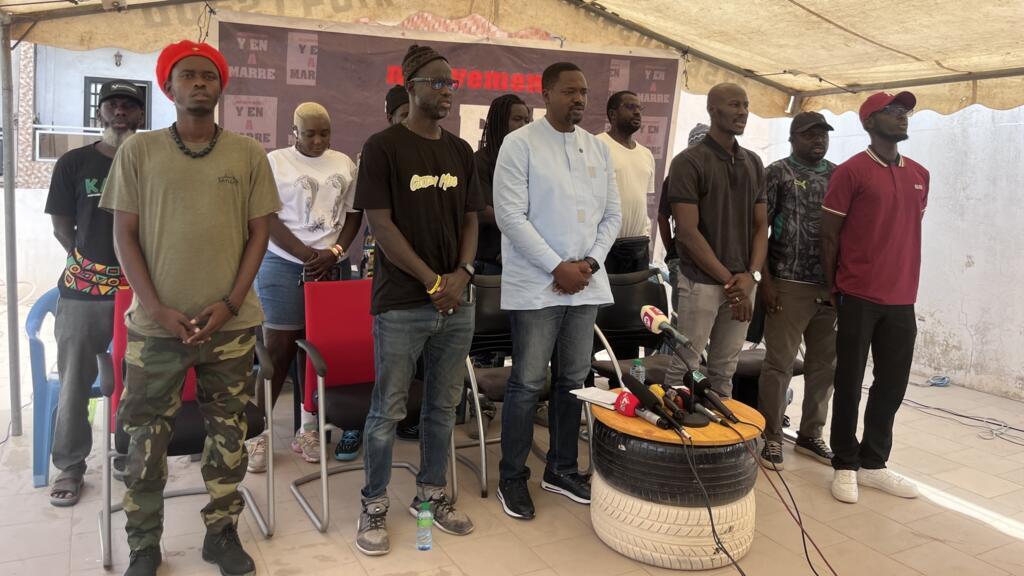
Civil society in Sénégal is seeking a moment of absolute clarity. Following the National Assembly’s adoption of a constitutional reform bill on Monday, June 29—an initiative led by Pastef lawmakers—the Y’en a marre collective has stepped forward. This citizen movement, a fixture in the country for 15 years, is insisting that the text must undergo a national referendum before it is officially enacted, echoing a proposal by President Bassirou Diomaye Faye. However, they are sounding the alarm regarding a deteriorating political atmosphere characterized by “political calculations” and “schemes” that mirror the tactics of previous regimes.
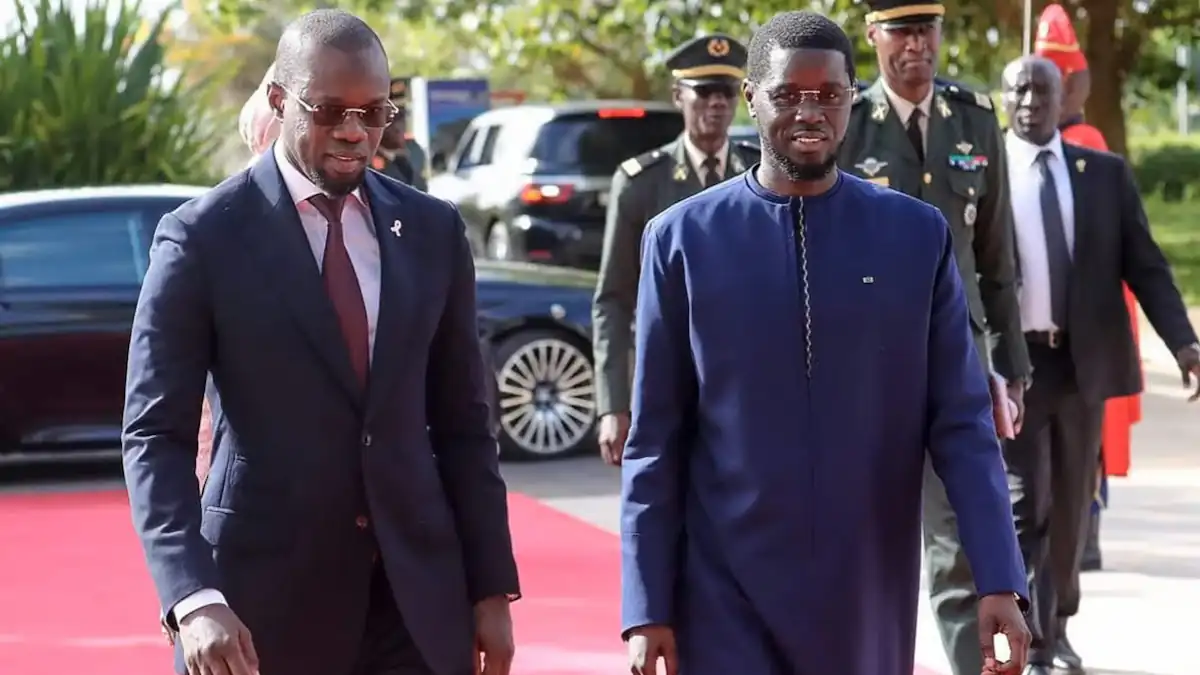
For those following African politics English coverage, the stakes are high. The movement suggests that the ongoing dynamic between Bassirou Diomaye Faye and Ousmane Sonko is the true engine behind this constitutional overhaul. Aliou Sané, the founder of Y’en a marre, expressed support for the promised referendum but demanded transparency. He warned that the announcement must not serve as a delay tactic or a maneuver to bypass genuine public debate. The goal, according to the collective, is to allow citizens the opportunity to fully grasp and decide on these fundamental changes.
Accusations of “LGBT lobbying”
Beyond the legislative process, the collective is troubled by the resurgence of old methods used to silence dissent. Since questioning the Pastef approach, Y’en a marre has faced accusations from certain party activists labeling them an “LGBT lobby.” In a country like Sénégal, where such labels carry heavy social and legal weight—especially with tightened restrictions since March—these claims are seen as a targeted attempt at disqualification.
The movement notes that these are the same tactics they endured under the presidencies of Abdoulaye Wade and Macky Sall. They pointed out the irony that those currently in power once stood beside them, expressing outrage when the previous administration used identical smears. This shift in rhetoric is a significant development in current Africa news.
Concerns about civil liberties were further heightened by the detention of twelve individuals near the National Assembly on the day of the vote. This group included nine young activists from the opposition party Alternative pour la relève citoyenne (ARC). Although they were arrested on charges of “disturbing public order” and “participating in an unauthorized demonstration,” they were released a few hours later.