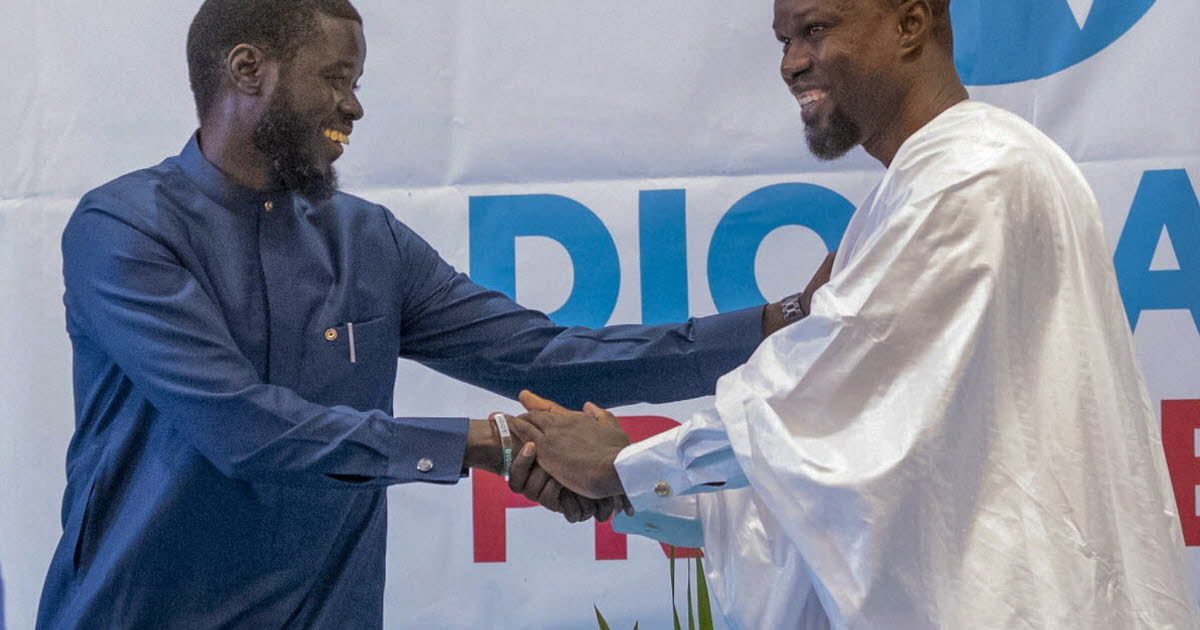
Sénégal crisis deepens after prime minister ousmane sonko dismissed
The abrupt dismissal of highly popular Prime Minister Ousmane Sonko by President Bassirou Diomaye Faye has plunged Senegal into uncharted political waters. The once-united leadership duo, celebrated for ending a prolonged period of instability, now stands fractured, leaving citizens and analysts grappling with uncertainty.
Months of simmering tensions between President Bassirou Diomaye Faye and his former mentor, Prime Minister Ousmane Sonko, have culminated in a dramatic split that threatens to destabilize Senegal’s political landscape. Elected in March 2024 with a commanding 54% of the vote, Faye owed much of his victory to Sonko, whose charismatic leadership and anti-corruption stance had galvanized voters. Sonko himself was barred from running due to a disqualifying conviction, paving the way for Faye’s historic rise.
The alliance between the two men was forged in adversity. Just days after their release from prison, where they had been detained together, Faye and Sonko vowed to usher in a new era of transparency and reform. The slogan « Diomaye moy Sonko, Sonko doy Diomaye » (« Diomaye is Sonko, Sonko is Diomaye ») symbolized their unity and resonated deeply with a nation weary of political corruption and social unrest. Yet the honeymoon period proved short-lived.
As their partnership unraveled, so too did the ambitious agenda that had inspired hope across Senegal. Clashes over economic policy, particularly the contentious issue of national debt—which stands at a staggering 132% of GDP, the second-highest in sub-Saharan Africa—exposed deep divisions. Sonko’s bold vision for fiscal reform collided with Faye’s more cautious approach, further eroding trust between the two leaders.
A looming power struggle for 2029
The dismissal of Sonko has not only triggered a political earthquake but also raised critical questions about governance in Senegal. Though removed from office, Sonko remains the influential figurehead of the Pastef party, which commands an overwhelming majority in the National Assembly with 130 out of 165 seats. His continued popularity among young voters and his uncompromising stance on sovereignty have cemented his status as a key player in the 2029 presidential race—one that Faye now faces alone.
Analysts highlight the paradox of Sonko’s enduring influence despite his removal. « He embodies a new generation of African leaders who reject the status quo, » noted Pascal Boniface, director of the Institute of International and Strategic Relations (IRIS), following a debate with Sonko in Dakar last April. « His commitment to Senegalese sovereignty is not about anti-French sentiment but about redefining partnerships on equal terms. » The stakes could not be higher as Senegal navigates this unprecedented crisis.
Related Posts

England argentina thriller ends in dramatic world cup semi-final win
2026 world cup England-Argentina semi-final: Fernandez’s cannon strike, Lautaro Martinez’s dramatic late winner last night at 11:06 PM Trailing until the final five minutes of […]
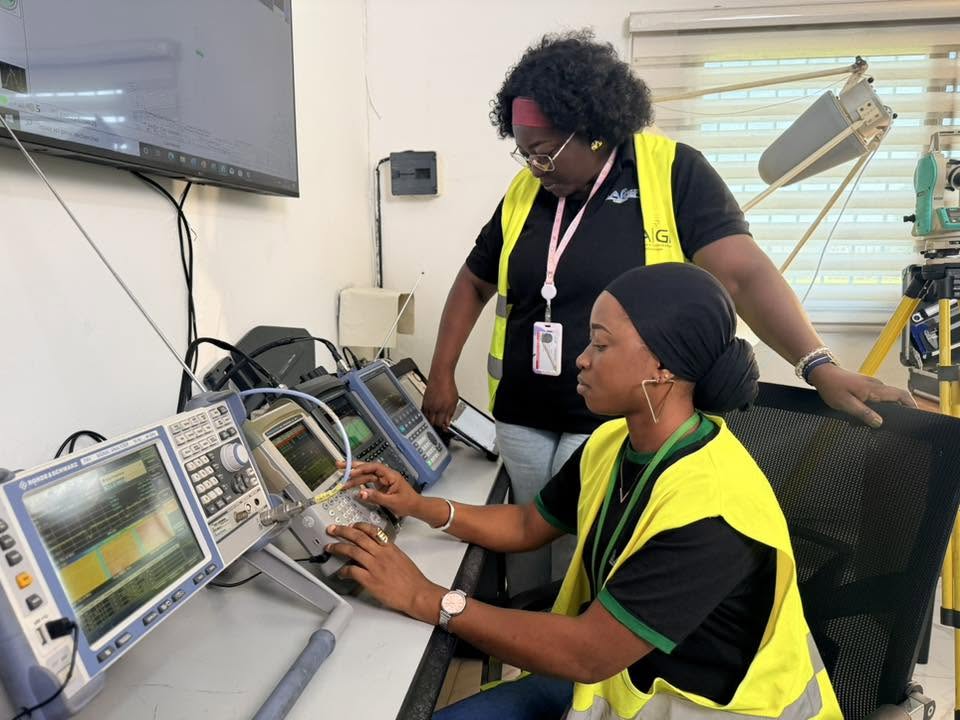
Côte d’Ivoire’s radio spectrum shake-up: public reactions and next steps after Tuesday’s broadcast
The fallout begins: how Côte d’Ivoire’s spectrum management announcement is sparking debate Abidjan, 28 September 2026 — Côte d’Ivoire’s broadcast and telecom sectors are reacting […]
Electoral reform: political coalition lauds government’s willingness to listen in Côte d’Ivoire
Abidjan, 30 June 2026 – The coalition Alliance of Ivorians for Democracy (AID) and the Union of Popular Masses for Peace (UMPP) welcomed on Tuesday, […]