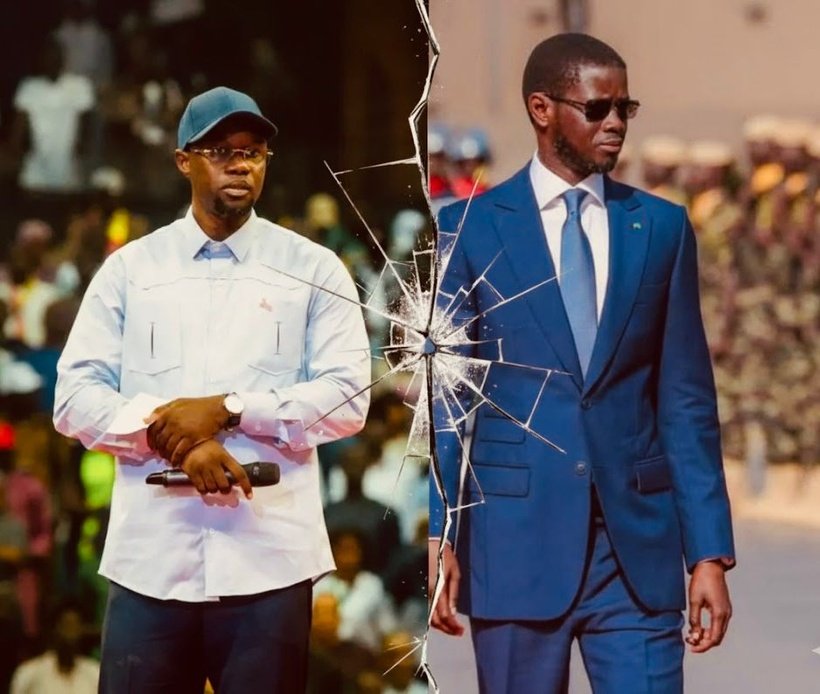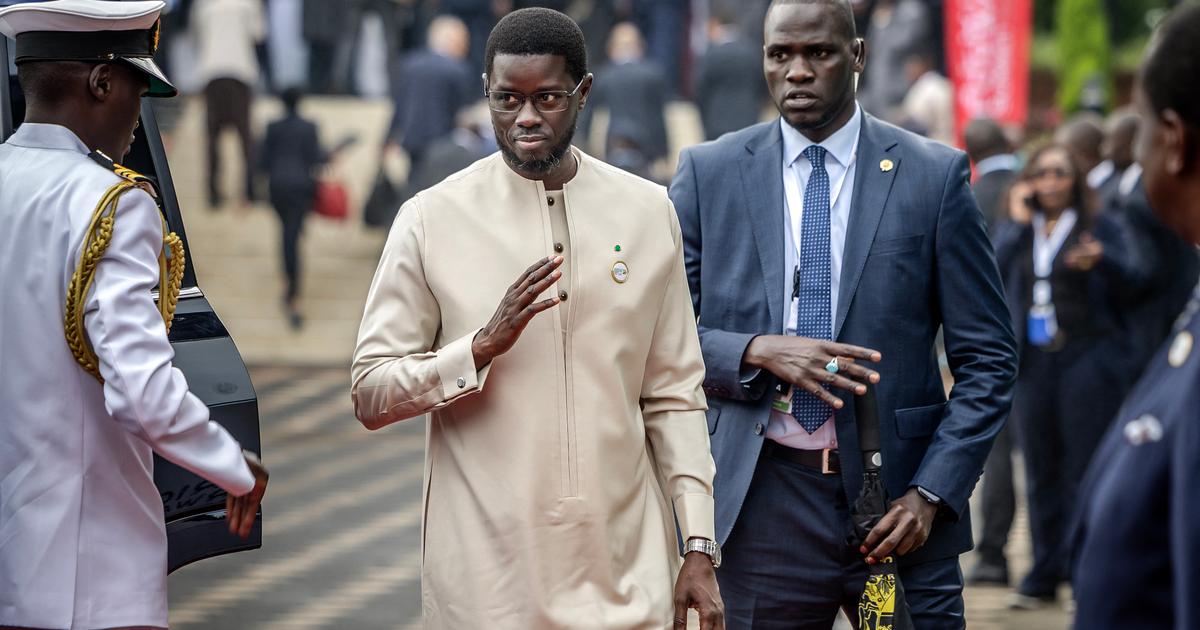
In a span of just four days, Senegal’s political landscape underwent a dramatic transformation. On May 22, President Bassirou Diomaye Faye dismissed Prime Minister Ousmane Sonko. By May 25, a new head of government, Ahmadou Alhaminou Mohamed Lô, was appointed. Less than 24 hours later, Sonko was elected President of the National Assembly. Observers describe this as “an unprecedentedly swift political realignment.”
The reshuffle isn’t just a change in personnel—it signals a shift in the balance of power. Could this new configuration influence how the country navigates its financial crisis? The stakes couldn’t be higher. With public debt soaring to 132% of GDP, rising energy costs due to the crisis in the Strait of Hormuz, and debt servicing becoming increasingly uncertain, the clock is ticking. As one economist put it, “Senegal stands on the brink of a financial precipice.”
Previously, any push for economic restructuring—particularly measures recommended by the International Monetary Fund (IMF)—faced strong resistance from the Pastef party. But now, as the government reshapes itself, speculation is growing: will this new setup pave the way for a more cooperative stance toward IMF-backed reforms?