Senegal’s electoral code reform: President Bassirou Diomaye Faye enacts key changes
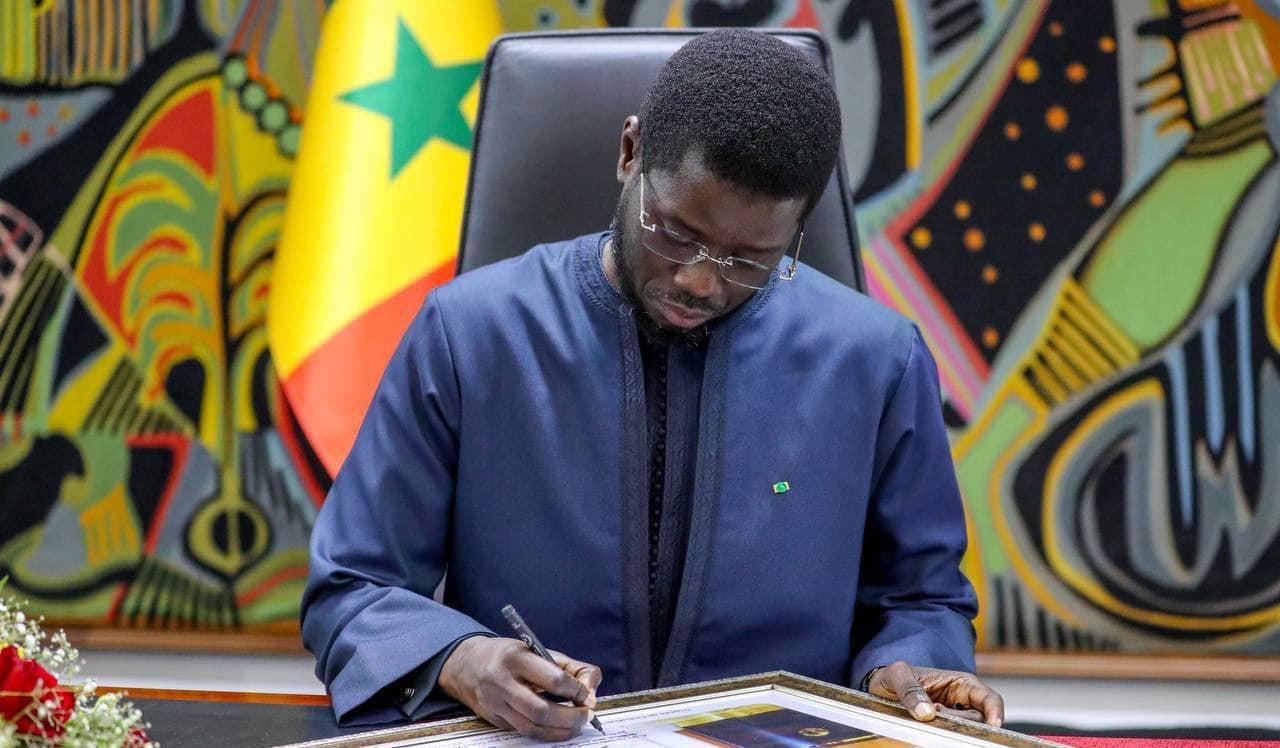
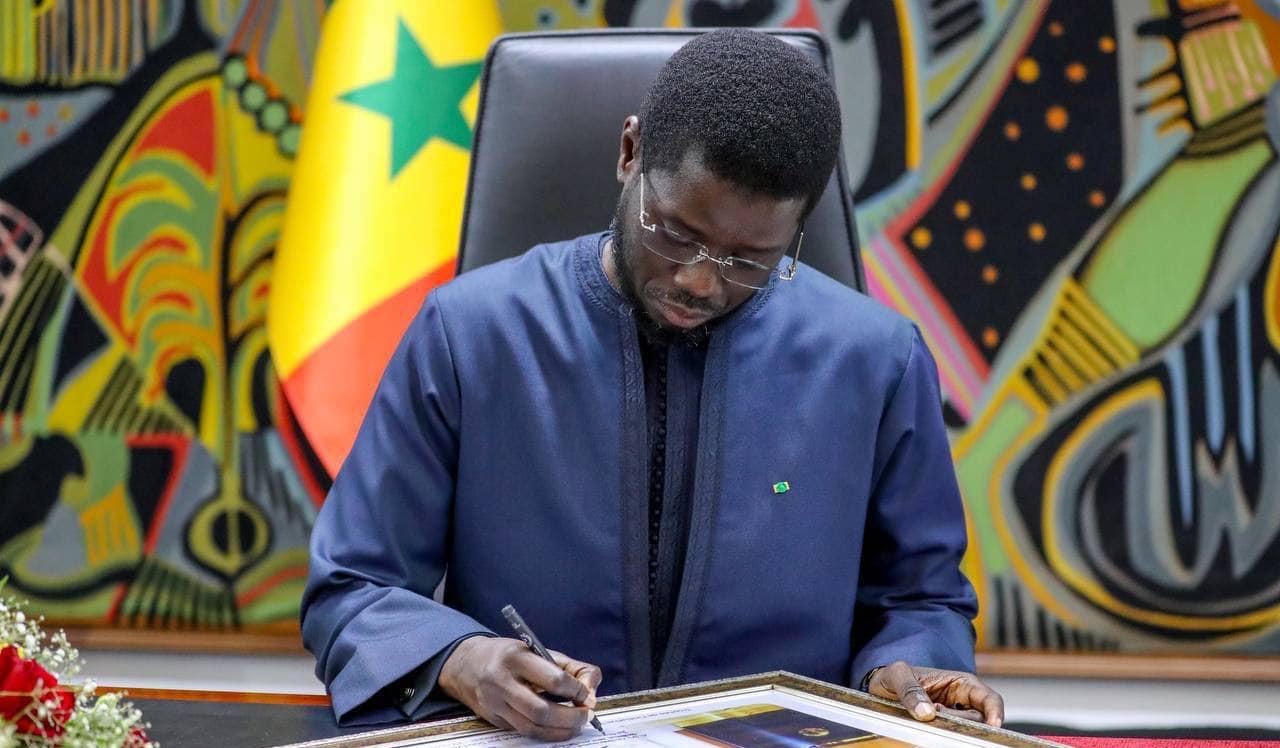
President Bassirou Diomaye Faye has enacted critical amendments to articles L29 and L30 of Senegal’s electoral code, marking a decisive step in the country’s electoral framework reform. This move, following a second parliamentary deliberation, carries profound implications for upcoming elections.
Parliamentary approval paves the way for electoral reforms
The electoral code amendments underwent rigorous parliamentary scrutiny before gaining final approval. Initially returned by the President on May 7, 2025, due to material errors, the draft was revised and adopted again by the National Assembly on May 11, 2025, under urgent procedures. While circulating reports suggested a promulgation deadline of May 13, legal experts confirmed that constitutional deadlines were still in effect and had not yet lapsed.
What do articles L29 and L30 change?
The revised articles address two pivotal aspects of Senegal’s electoral system:
- Eligibility criteria: New conditions for candidates contesting elections, ensuring greater transparency and fairness in the selection process.
- Electoral process organization: Streamlined procedures to enhance efficiency, reduce disputes, and strengthen public trust in election outcomes.
With presidential assent, these amendments now carry the full force of law, reshaping the electoral landscape ahead of forthcoming votes.