Senegal’s electoral reform opens 2029 presidential race to Ousmane Sonko
President Bassirou Diomaye Faye has signed a landmark electoral reform that could clear the path for Ousmane Sonko’s participation in Senegal’s 2029 presidential election.
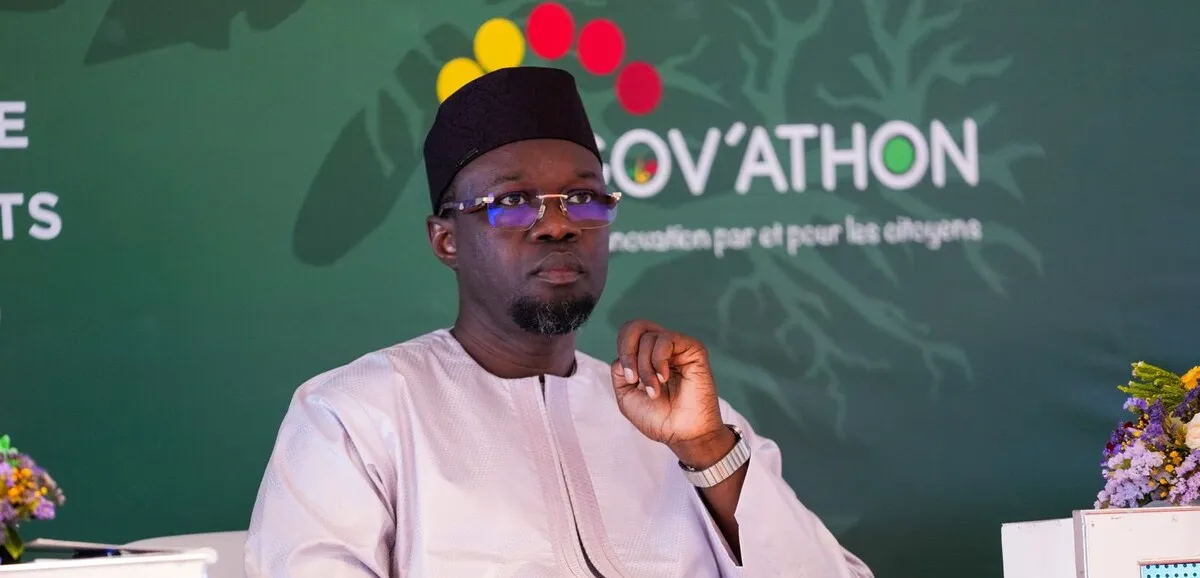
The newly enacted legislation significantly alters the framework governing the loss of civic rights in Senegal. The revised law now imposes a five-year limit on the ban following the completion of a sentence, and introduces retroactive provisions that may enable Ousmane Sonko to contest the upcoming presidential race.
Sonko’s 2024 exclusion
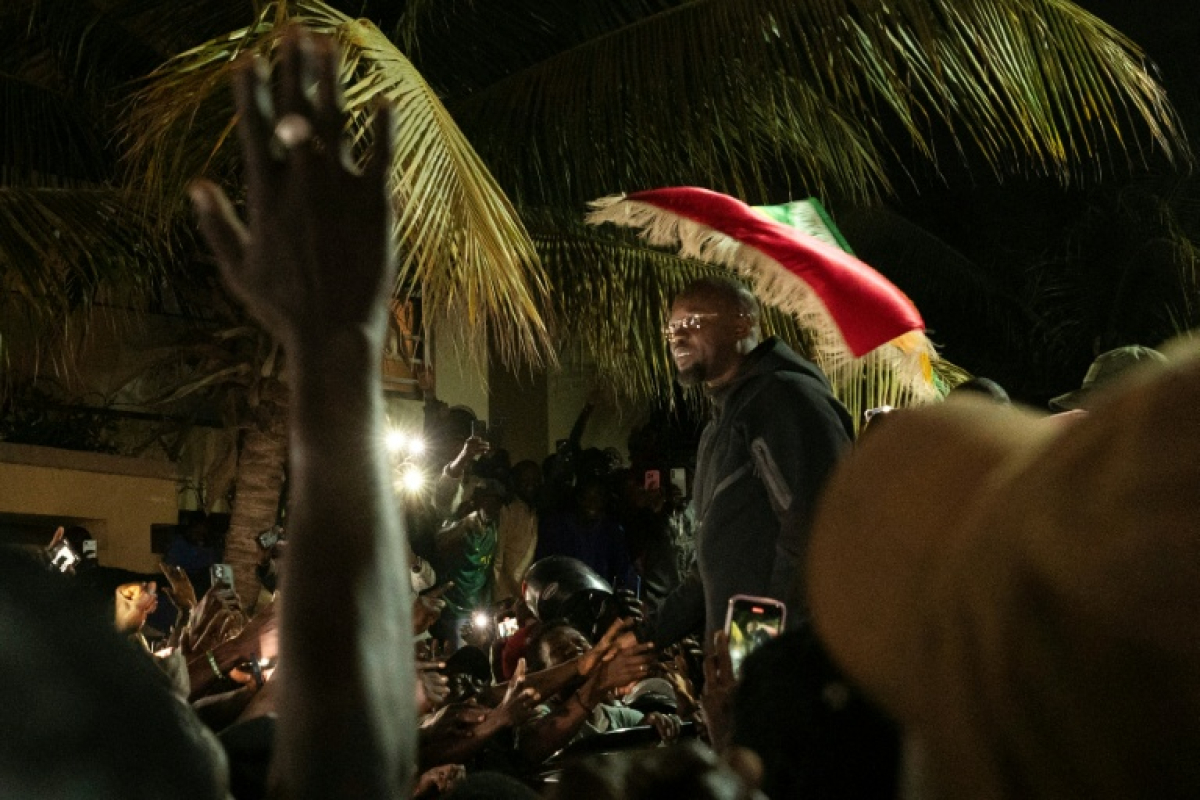
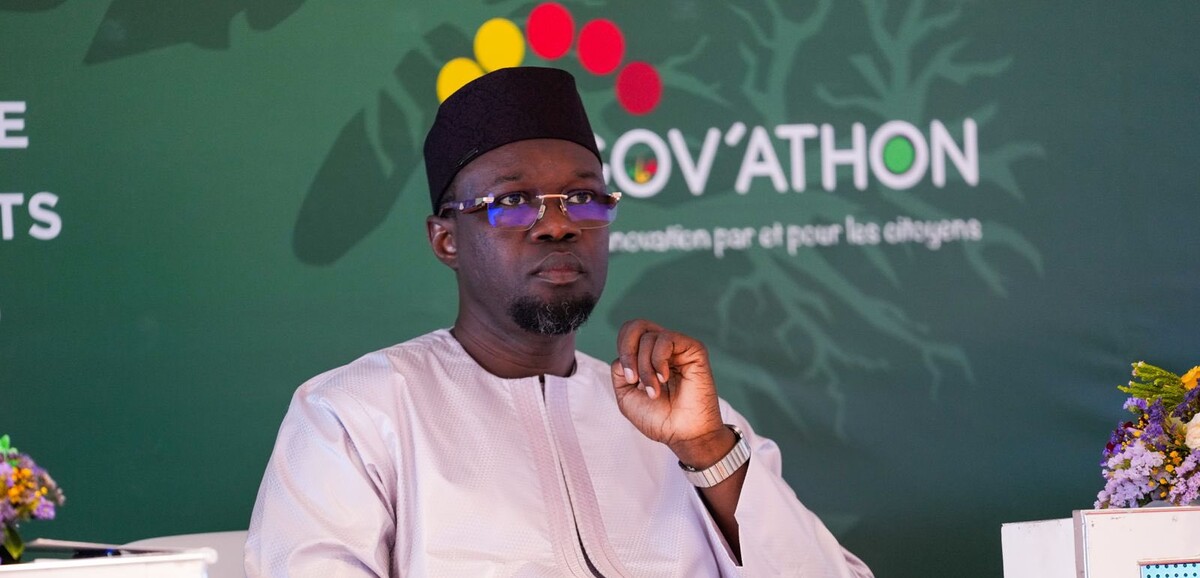
The current Prime Minister was barred from the 2024 presidential election after a defamation conviction upheld by the Supreme Court. Sonko subsequently backed Bassirou Diomaye Faye as the Pastef party’s candidate, who ultimately secured victory.
Internal divisions within the ruling party
The reform has sparked intense debate within the Pastef movement. Prominent allies of Ousmane Sonko have recently accused President Faye of attempting to obstruct the legislation, fueling speculation about growing tensions ahead of the 2029 election.
Political implications
Despite his prior conviction, Ousmane Sonko was elected to parliament in the 2024 legislative elections, though he chose to step down from his seat to remain in his governmental role. His supporters now argue that this development reinforces his eligibility to run in future elections.