Senegal’s 2029 election: new electoral code paves way for Sonko’s candidacy
President Bassirou Diomaye Faye has signed a controversial electoral reform bill, reshaping the political landscape ahead of the 2029 presidential race and positioning Prime Minister Ousmane Sonko as a potential frontrunner. The move has triggered sharp reactions within the ruling Pastef party, where internal divisions have deepened.
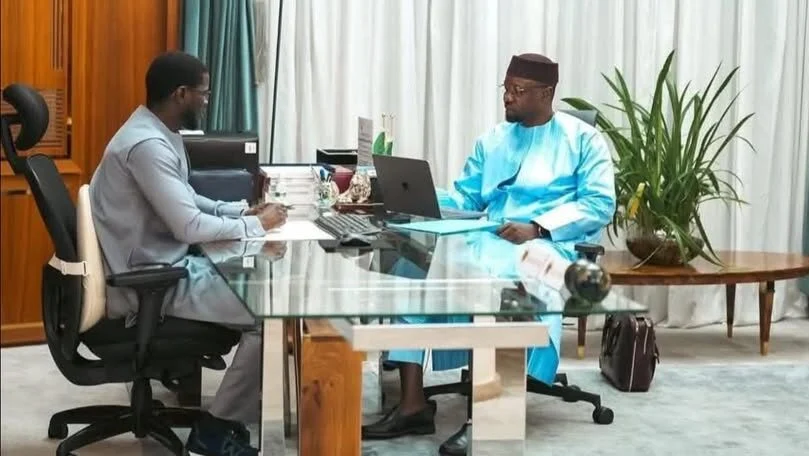
The decree, issued Saturday, comes after months of intense debate over the proposed changes to the electoral code. Critics argue the reform could directly impact Sonko’s eligibility, given his 2023 defamation conviction that led to the loss of his civic rights. In 2024, Sonko was barred from running in the presidential election, prompting him to endorse his political ally and former substitute candidate, Bassirou Diomaye Faye, who went on to win the presidency.
Internal rifts expose party tensions
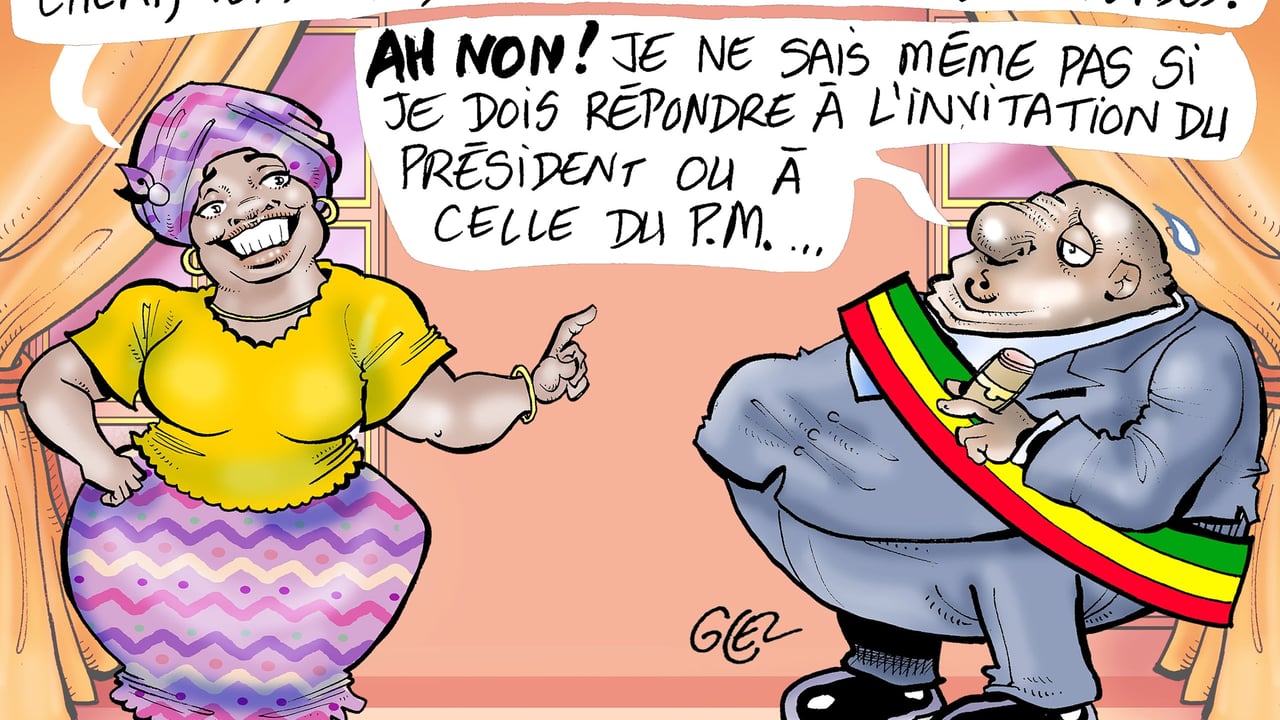
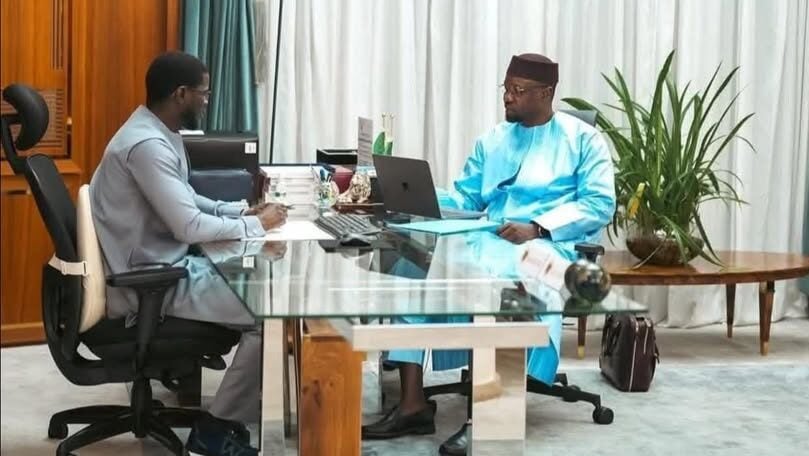
Public disagreements between President Faye and Prime Minister Sonko have fueled speculation about the future of their political partnership ahead of the 2029 contest. The electoral reform, initially approved by the National Assembly on April 28, faced unexpected delays when President Faye requested a second reading, citing “technical errors” in the draft. This decision sparked backlash within Pastef, with some party members accusing the president of stalling the legislation for personal political gain.
On May 9, legislators reconvened to pass the revised bill, which President Faye officially enacted this week. The new law introduces key changes to civic rights forfeiture rules, capping the disqualification period at five years post-sentence. This provision has drawn particular attention due to its potential retrospective application. Sonko’s 2023 conviction—stemming from a defamation case filed by a former minister under former president Macky Sall—resulted in a six-month suspended sentence and damages payment.
Sonko’s eligibility remains a burning question
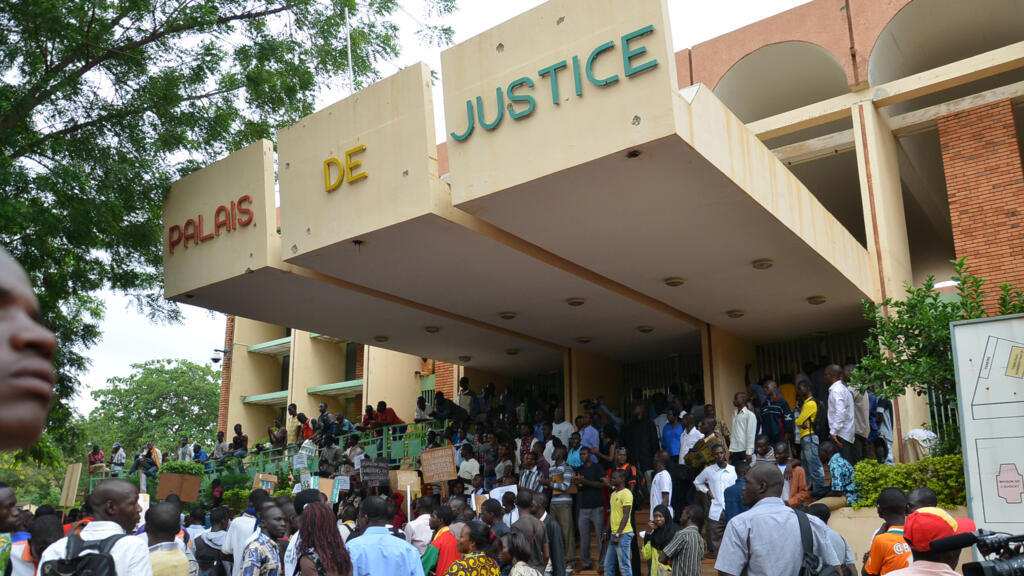
The Supreme Court upheld Sonko’s conviction in January 2024, just weeks before the presidential election. A subsequent appeal was dismissed in July 2025, further complicating his path to future candidacy. Despite these legal hurdles, Sonko retained his role as Prime Minister after being elected to parliament in November 2024, though he later stepped down from his legislative seat to focus on his government duties.