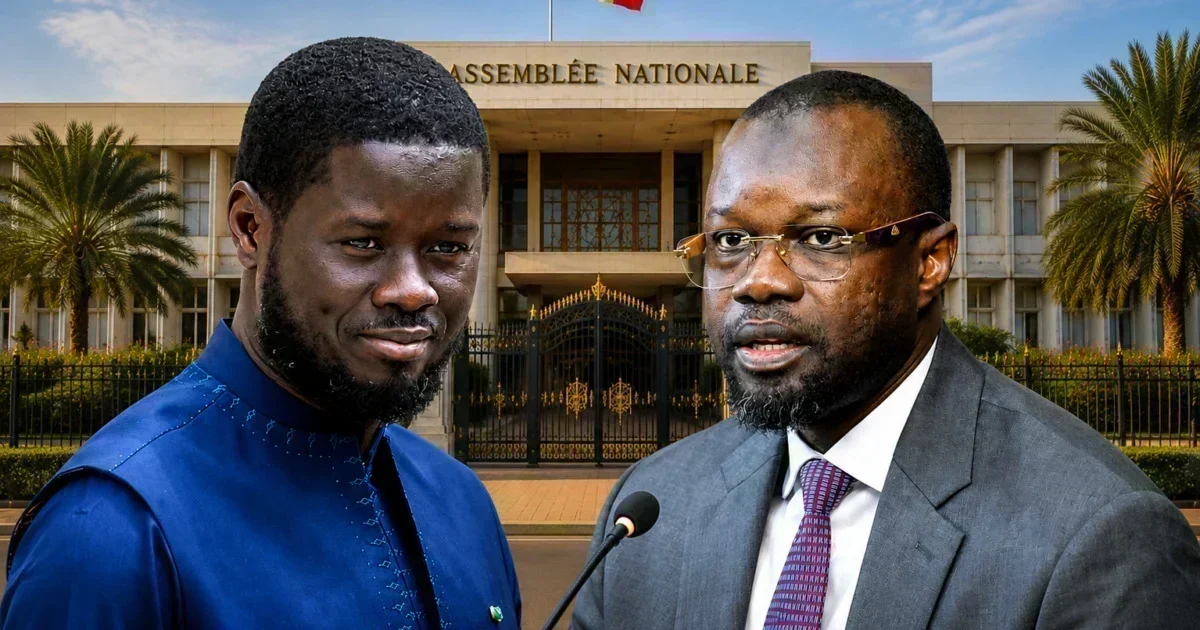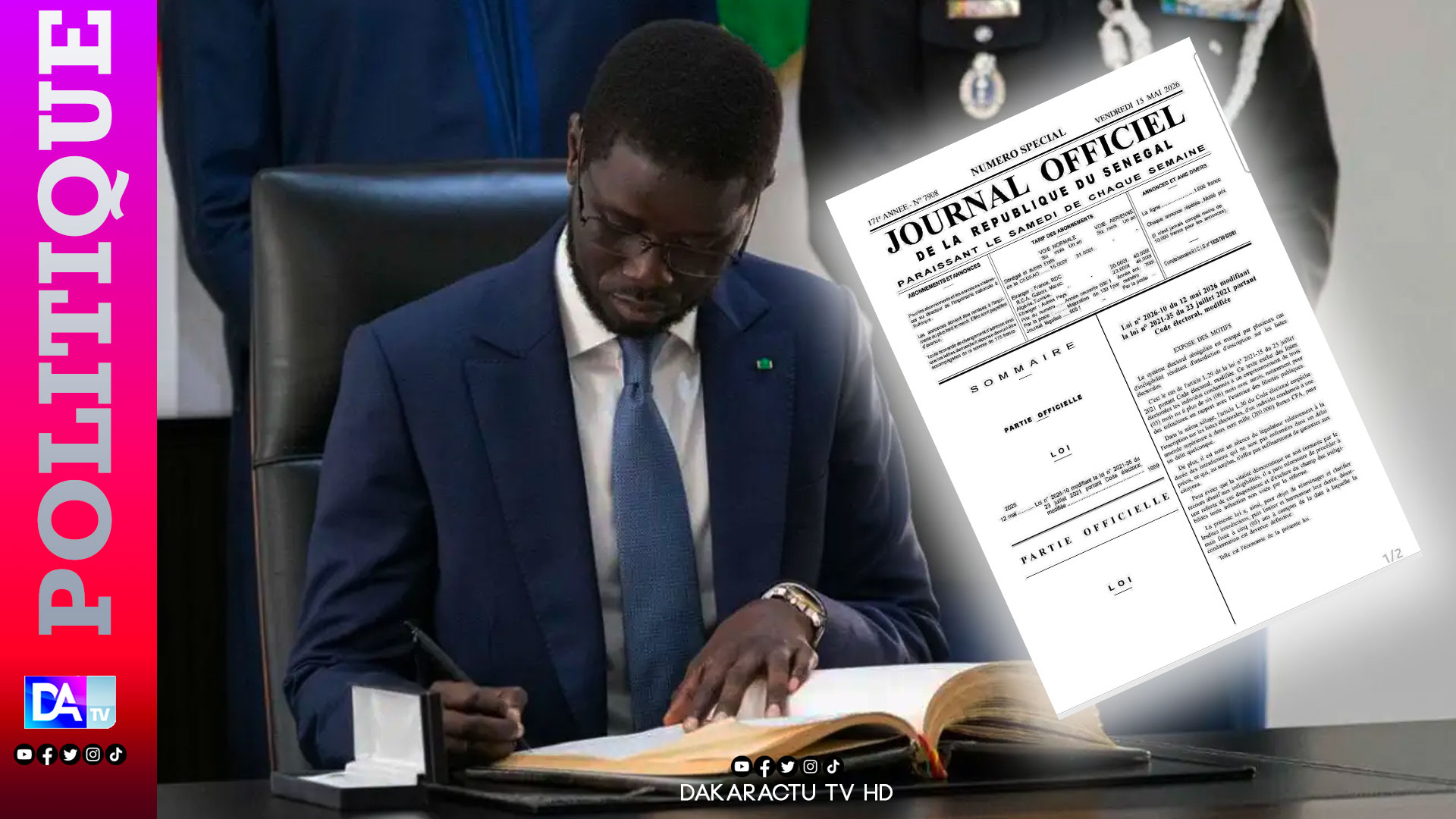
President Bassirou Diomaye Faye has signed into law a groundbreaking amendment to Senegal’s electoral code, marking a significant shift in how electoral ineligibility is determined. The reform, officially enacted on May 12, 2026, follows its adoption by the National Assembly five days earlier with a three-fifths majority. Published in a special edition of the Official Journal on May 15, 2026, the new legislation—co-signed by Prime Minister Ousmane Sonko—addresses long-standing concerns about the vagueness of ineligibility criteria, which were previously criticized for their potential to restrict civil liberties.
Key changes introduced by the electoral reform
At the heart of this reform is a complete rewrite of Article L.29 of the electoral code. The updated law now establishes four clear categories of individuals barred from voter registration:
- Those convicted of criminal offenses;
- Individuals found guilty of serious financial crimes, including theft, fraud, breach of trust, embezzlement, corruption, money laundering, and influence peddling;
- Persons subject to a court-ordered ban on voting rights;
- Legally incapacitated adults.
The reform introduces a uniform five-year ineligibility period, calculated from the date a conviction becomes final—a stark contrast to the previous system, which left the duration of civil rights restrictions undefined. Additionally, Article L.30, which previously excluded individuals convicted of any offense punishable by fines exceeding 200,000 CFA francs, has been entirely repealed.
Rationale behind the reform
Lawmakers justified the changes by highlighting the shortcomings of the previous framework. Under the old system, automatic exclusion applied after just three months of imprisonment—even with a suspended sentence—or for minor offenses, with no clear timeframe for the duration of disenfranchisement. Critics argued this lack of precision undermined citizen safeguards and risked enabling abusive ineligibility measures that could undermine democratic resilience. The reform aims to refocus ineligibility criteria on the most serious offenses while ensuring clarity and predictability in their application.
Potential political implications
The legislation, passed with a qualified majority reflecting broad parliamentary consensus, arrives at a politically sensitive juncture ahead of upcoming elections. Depending on individual cases, the reform could significantly alter the electoral status of several individuals convicted in recent years, potentially restoring civil rights to opposition figures or other political stakeholders.