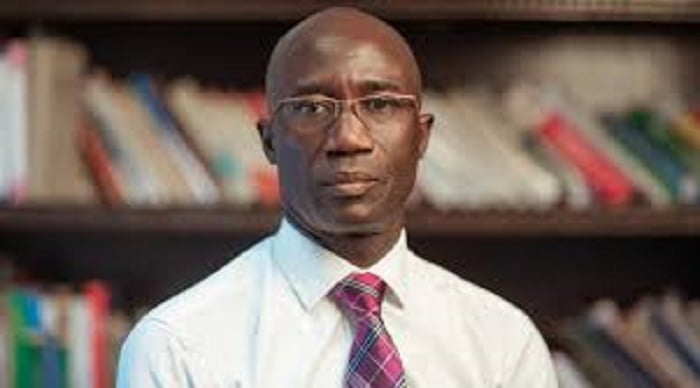
Me Moussa Sarr has just taken office as Senegal’s Minister of Justice in a particularly tense political and judicial environment. His appointment comes at a critical moment when accountability and sensitive legal cases—especially those stemming from political violence between 2021 and 2024—demand urgent attention.
With over two decades of experience at the bar, Sarr brings a strong background in economic criminal law, banking regulations, real estate disputes, and public business law. His expertise is further reinforced by his teaching roles in several higher education institutions across Dakar. These qualifications position him as a key figure in navigating the complex challenges ahead for the Ministry of Justice.
The new Minister’s track record includes representing President Bassirou Diomaye Faye in past legal matters, a role that underscores his deep understanding of the nation’s legal and political landscape. Yet, his appointment has not escaped scrutiny. The political climate remains highly charged, particularly due to ongoing disagreements over how to address public finance mismanagement and enforce judicial accountability.
Accountability vs. institutional caution: a delicate balance
Two opposing perspectives have emerged within the executive branch. One faction advocates for swift and stringent sanctions against public fund mismanagement, while the other emphasizes strict adherence to legal procedures and preventing any politicization of the justice system. The Ministry of Justice now stands at the center of this debate, where the demands for transparency must be balanced against institutional stability.
Political violence cases: unresolved justice
Among the most pressing challenges facing Sarr is the handling of cases related to the political unrest that unfolded from March 2021 to February 2024. Despite the passage of an amnesty law in March 2024, debates persist over the legal classification of these events and whether additional prosecutions or reparations are necessary. Civil society organizations and victim collectives continue to push for justice, keeping the pressure on the government to deliver meaningful accountability.
As Senegal’s new Minister of Justice, Moussa Sarr inherits a portfolio fraught with high stakes. Every decision he makes will carry significant political weight, shaping not only the future of the justice system but also the broader trust in the country’s institutions.