The key points
- Documentary: A major international news outlet aired a report on July 12, 2026, highlighting Senegal’s deepening political divisions
- Constitutional reform: On June 29, 2026, Parliament passed a bill expanding its powers, later struck down by the Constitutional Council on July 9
- Leadership clash: President Bassirou Diomaye Faye and Prime Minister Ousmane Sonko, once united in 2024, now face off amid shared governance challenges
- Parliamentary majority: The PASTEF party holds 130 of the 165 seats in the National Assembly
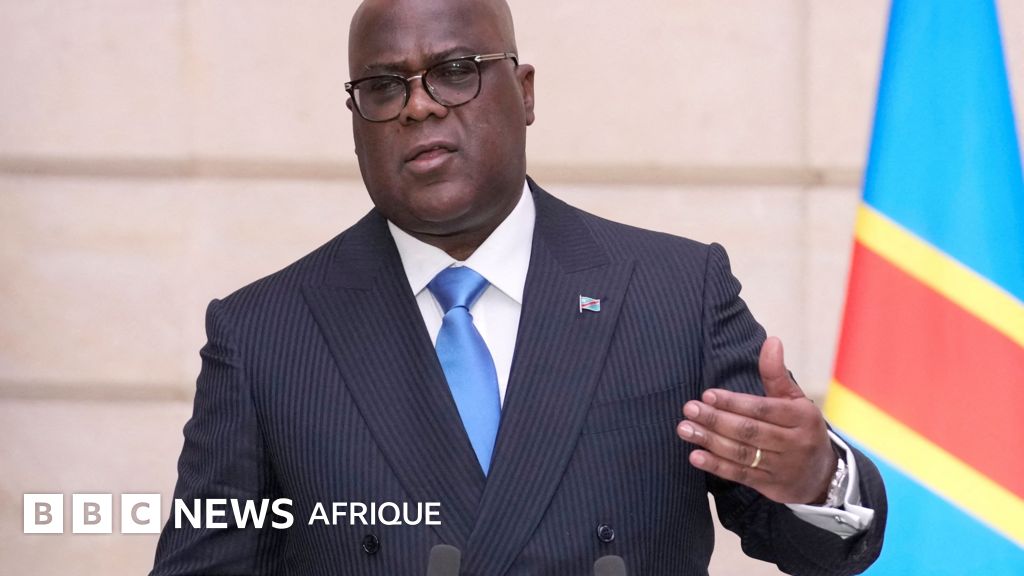
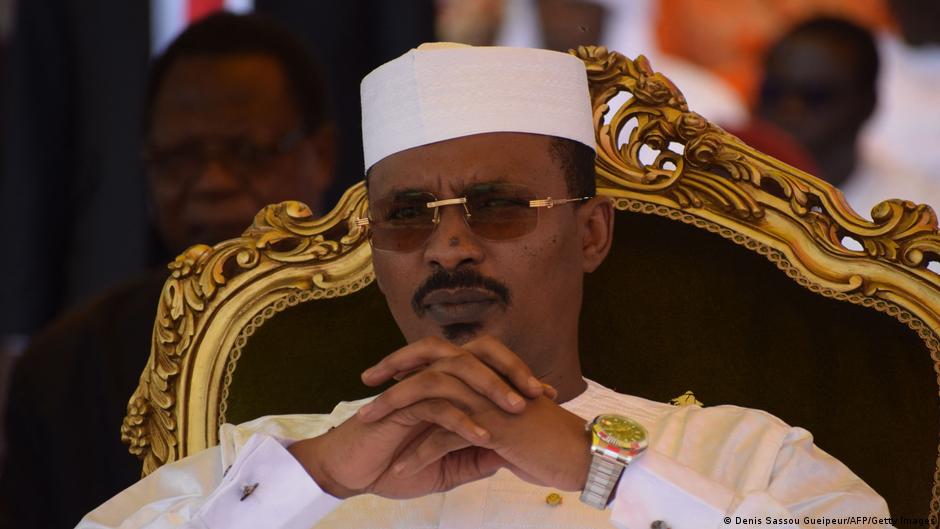
Senegal has become the subject of an international spotlight this weekend, as a widely watched documentary dissects the widening rift between two of the country’s most influential leaders. The report, titled Friends turned foes: The split reshaping Senegal, zeroes in on the escalating tensions between President Bassirou Diomaye Faye and Prime Minister Ousmane Sonko—both former allies within the PASTEF party.
This foreign coverage follows closely on the heels of a constitutional reform struck down by the Constitutional Council just days after its adoption by Parliament in late June. The episode has intensified the standoff between the two leaders and is reshaping Senegal’s political landscape with the 2029 presidential election looming.
From allies to adversaries: the unraveling partnership
The 2024 presidential election, won jointly by Faye and Sonko under the PASTEF banner, marked a turning point in Senegalese politics. The party’s commanding majority—130 out of 165 parliamentary seats—was expected to streamline governance.
Yet, as the documentary reveals, ideological fault lines quickly emerged, particularly on economic policy and relations with global institutions like the IMF. Observers describe the confrontation as a fratricidal struggle between two competing visions of leadership and governance.
With Sonko serving simultaneously as Prime Minister and President of the National Assembly, power has become concentrated in a way that has fueled friction with the presidency. The report underscores how this unusual institutional arrangement has amplified tensions and raised questions about accountability and balance of power.
Constitutional reform: the spark of conflict
On June 29, 2026, Parliament passed a constitutional amendment designed to strengthen the roles of Parliament and the Prime Minister. The draft legislation included provisions to prohibit the president from leading a political party and to replace the Constitutional Council with a nine-member Constitutional Court.
President Faye challenged the reform’s legitimacy on July 7, prompting the Constitutional Council to review its constitutionality. On July 10, the Council ruled the reform unconstitutional, citing procedural flaws and the absence of a budget allocation for the proposed Constitutional Court.
The Prime Minister responded by asserting that the Council’s decision was binding on all. While his statement ended the immediate legal battle, it did little to ease concerns about the continuing institutional deadlock between the two leaders.
Senegal in the global spotlight
The release of the documentary reflects growing international interest in Senegal’s political crisis. With a significant Francophone audience, the network’s in-depth analysis frames this as a pivotal moment in the country’s democratic trajectory.
To observers in France and beyond, the situation highlights that even Senegal—long regarded as a model of democratic stability in West Africa—is not immune to institutional strife. With a population of approximately 19 million, Senegal remains a key economic and diplomatic partner for France in the region.
Local media outlets have extensively covered the reform’s invalidation, emphasizing the severity of the divide at the highest levels of government. Some analysts have framed the Faye-Sonko rivalry as a clash of titans, a phrase echoed across several platforms.
Understanding Senegal’s political structure
As a presidential republic, Senegal has historically vested significant authority in the office of the president. The 2024 election of Bassirou Diomaye Faye represented a major political shift, driven by the momentum of the PASTEF movement and the public appeal of Ousmane Sonko.
The current setup—where the Prime Minister also presides over the National Assembly—is unprecedented and has concentrated legislative and executive power in a single figure. This unusual configuration helps explain why the president moved to challenge a reform seen as a dilution of presidential prerogatives.
The country faces pressing economic challenges, particularly around public debt management and ongoing negotiations with the IMF. The documented disagreements between Faye and Sonko on these issues reflect deeper strategic divisions that go beyond mere political infighting.
Election outlook and future implications
The 2027 local elections and the 2029 presidential vote loom large on the horizon. Political analysts anticipate that the Faye-Sonko rupture will shape the next electoral cycle, with risks of a fractured PASTEF or realigned alliances.
The party’s overwhelming parliamentary majority only complicates matters: neither leader can govern effectively without the other without risking institutional paralysis. The struggle over who will control the PASTEF machinery has become central to the crisis.
The documentary underscores a critical long-term dimension: this crisis is not a temporary setback but the opening act of a prolonged power struggle for control of Senegal. The coming months will reveal whether the two leaders can find a way to coexist—or whether their break becomes permanent.
While the Constitutional Council’s ruling offers Faye a temporary reprieve, it does not resolve the underlying disagreements. Senegal’s political scene is entering a period of uncertainty, closely monitored by regional and international partners.