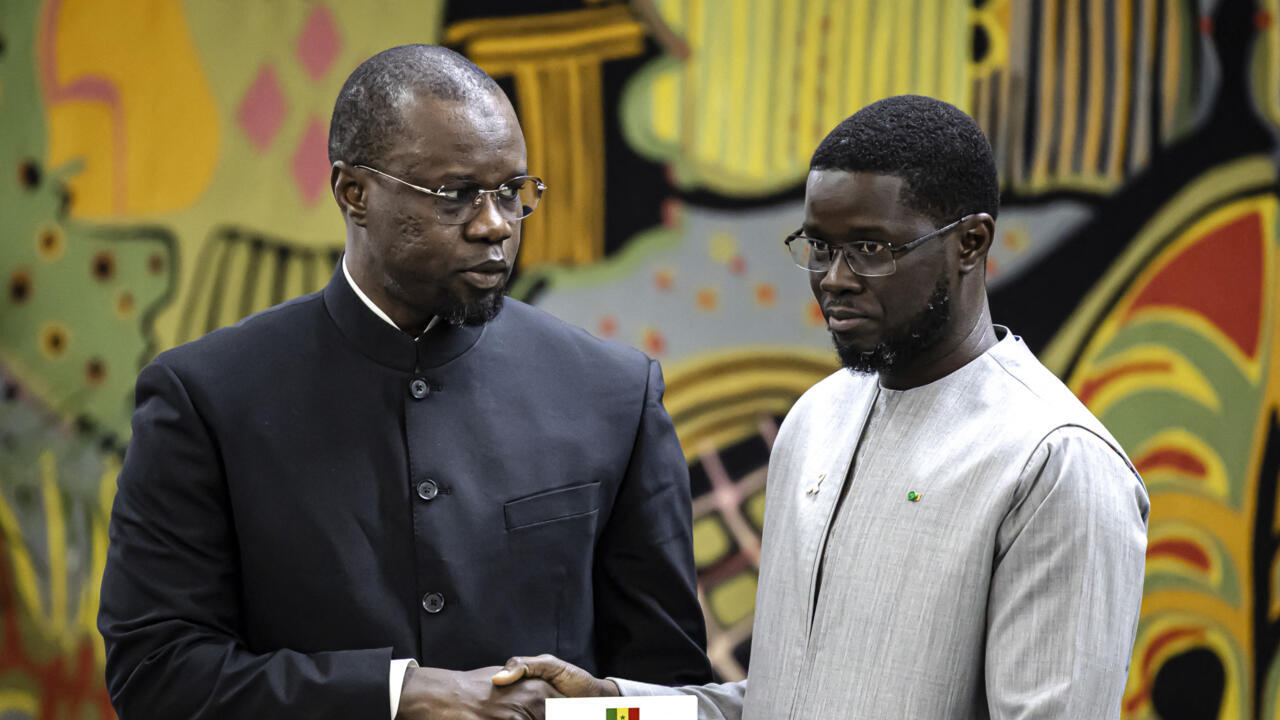
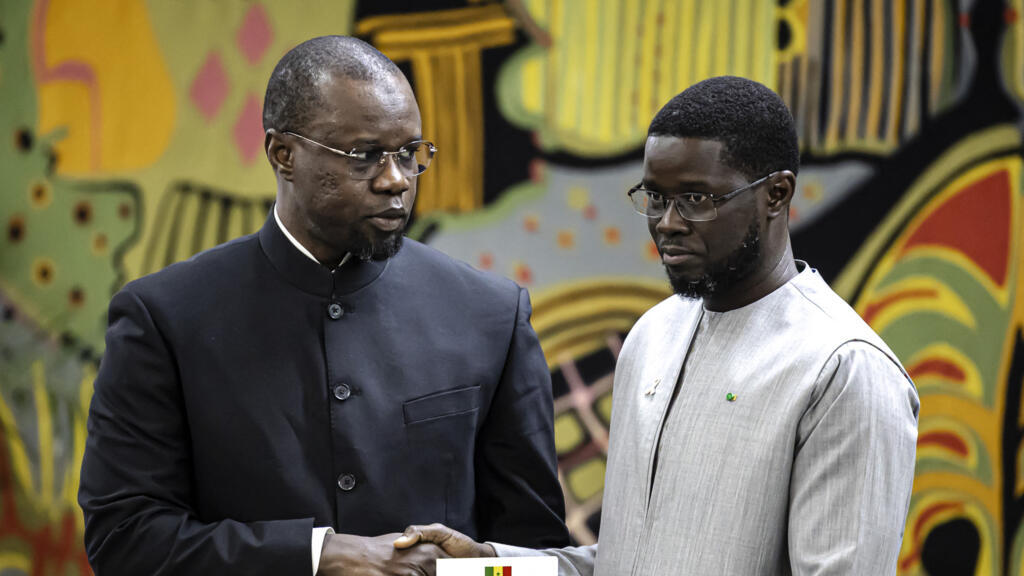
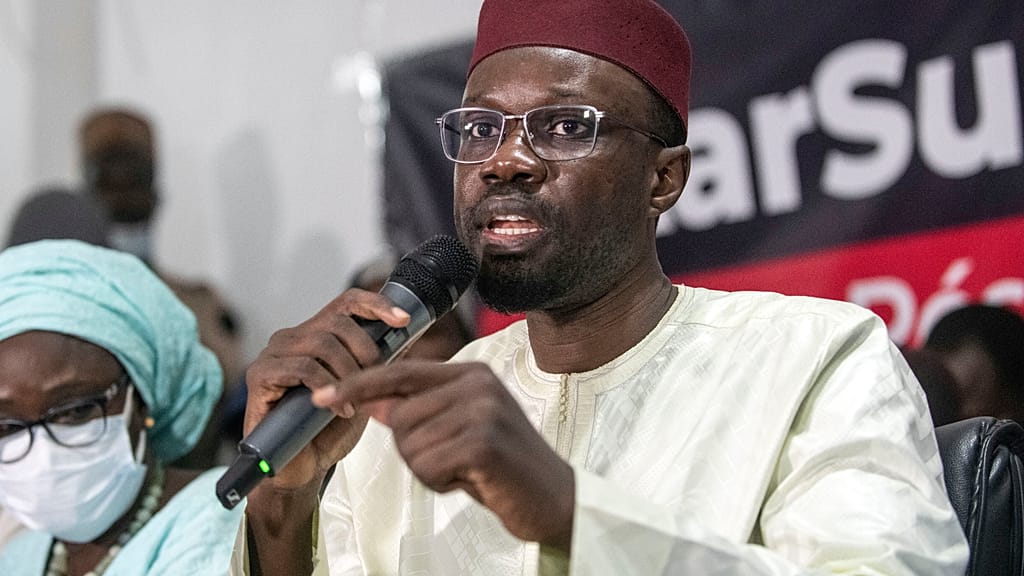
A significant shift in Senegal’s political landscape unfolded on Friday, May 22, when President Bassirou Diomaye Faye unexpectedly dismissed his long-time ally, Ousmane Sonko, and the entire government. By Sunday, the former Prime Minister had reclaimed his seat as a Member of Parliament. Concurrently, Malick Ndiaye, who presided over the National Assembly, tendered his resignation. The election for the new Assembly President is scheduled for Tuesday, with Ousmane Sonko emerging as a potential candidate. This series of events points towards an impending power struggle between the executive and legislative branches of government.
Many observers suggest that this political separation was inevitable. The dynamic between Faye and Sonko contained fundamental and irreconcilable contradictions. It was not a matter of a lack of talent or divergent political ideologies, but rather the inherent unitary nature of executive power in a republic. Historical precedents in African politics, from Nkrumah to Sankara, Modibo Keïta to Laurent-Désiré Kabila, demonstrate that cohabitation at the highest level between two equally strong wills often culminates in the removal of one leader or the downfall of both.
escalating political fractures
Indeed, this recent development is the culmination of months of underlying tensions between the two leaders, who ascended to power in April 2024 amid widespread popular hope. The political rift had been brewing since last July, when initial cracks appeared in their alliance. At that time, Ousmane Sonko reportedly articulated a “problem of authority,” accusing the President of failing to adequately defend him against political attacks. The definitive break occurred merely hours after a parliamentary session where the former head of government publicly challenged several presidential decisions, notably concerning the management of political funds, asserting that the President had “made a mistake.”
executive-legislative showdown looms?
The crucial question now is whether the former Prime Minister will transition into the role of the President’s primary opponent. Given his considerable popularity, Ousmane Sonko undeniably poses a significant challenge to Bassirou Diomaye Faye. The next phase of this political contest is expected to unfold within the legislative chamber. As Moussa Diaw, a political science professor at Gaston-Berger University in Saint-Louis, noted, the political battle is likely to shift to the National Assembly, setting the stage for a standoff between the head of state and the legislature. This scenario could severely impede governmental action, especially as the executive plans to introduce a series of institutional reforms, including four key bills on constitutional revision, the Constitutional Court, political parties, and the establishment of an independent national electoral commission. Such a confrontation would leave the head of state with very limited room for maneuver.
This situation effectively pits Pastef, the party led by Ousmane Sonko, against the Diomaye Faye presidential coalition. In essence, it is the Executive versus the Legislative, a fierce struggle for power with the 2027 communal elections and, more significantly, the 2029 presidential election in mind. This turn of events has created uncertainty, frustration, and dismay among Pastef supporters, particularly the young Senegalese who had invested their hopes in the Faye-Sonko partnership and now find themselves adrift.
could sonko emerge victorious?
The political confrontation has begun, and it could potentially favor Ousmane Sonko. Adrien Poussou, a former Central African Communication Minister and geopolitical analyst, suggests that the current Senegal political reality is undeniable: Pastef holds a dominant position nationally, bolstered by exceptional grassroots organization, a highly engaged youth base, and a compelling narrative forged during years of opposition to the Macky Sall regime. Within this dynamic, Sonko remains the pivotal figure. Even when judicial obstacles prevented his candidacy, and despite his absence from presidential ballots, it was around him that the aspirations for change coalesced. While President Faye possesses institutional legitimacy, his former Prime Minister retains a formidable popular and militant legitimacy. In any future political or electoral contest, this factor could prove decisive.
Related Posts
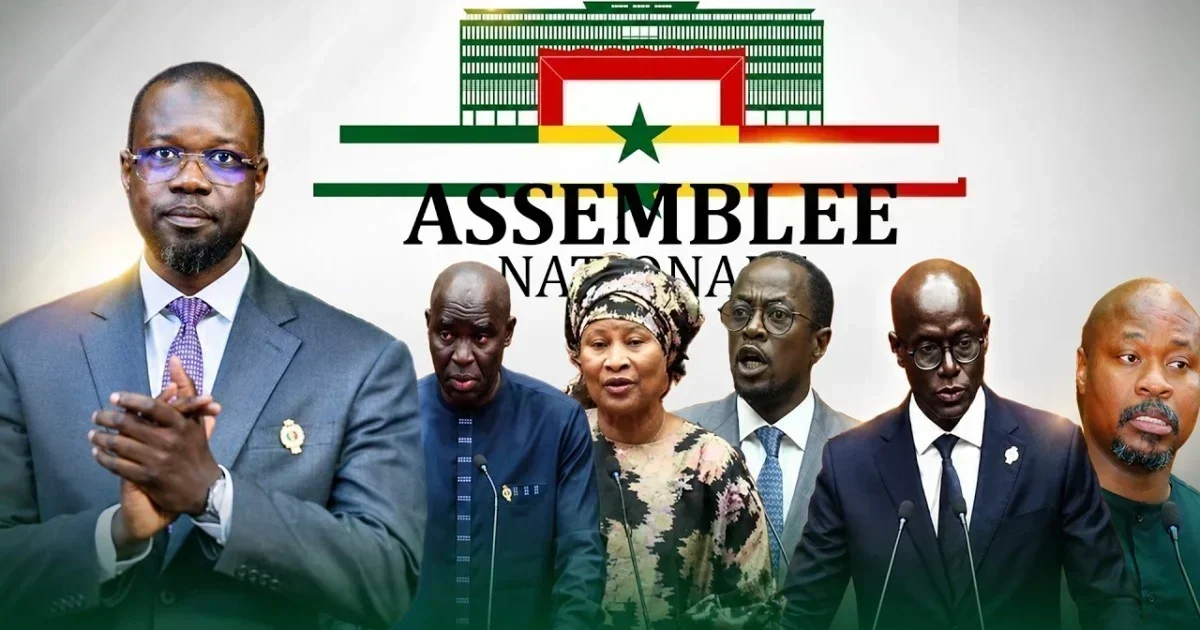
Senegal parliament: sonko initiates probes in emergency session
Ousmane Sonko, a prominent political leader in Senegal, addressed the nation’s legislative assembly during an extraordinary session to announce the initiation of multiple investigations. These […]
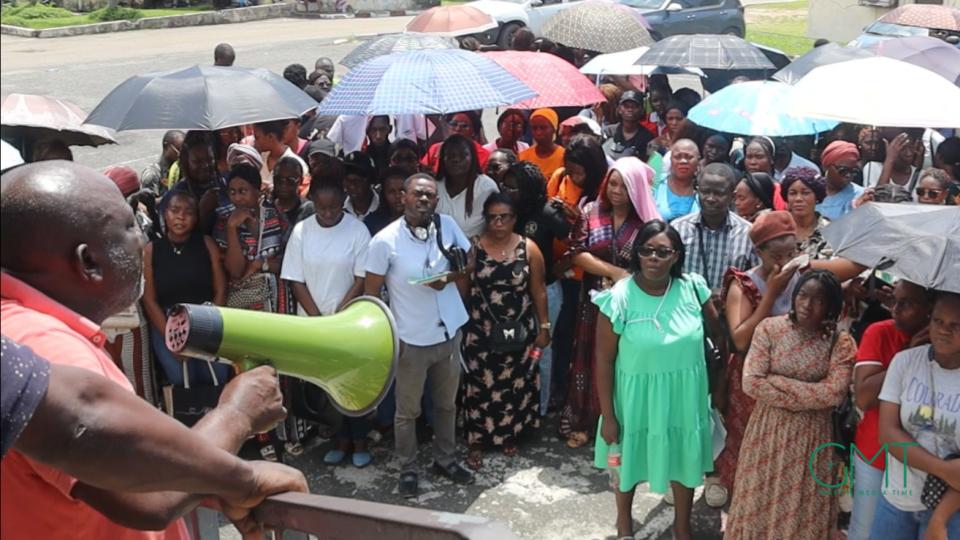
Gabon’s civil service reform sparks debate over merit and fairness
The Gabonese government’s decision to abolish automatic seniority-based promotions in the civil service marks a historic shift in public sector management. By ending the long-standing […]
Ousmane Sonko challenges western LGBTQ+ influence in Senegal
Ousmane Sonko challenges western LGBTQ+ influence in Senegal euronews videos ven. 22 mai 2026 à 3:28 PM UTC Ajoutez Yahoo comme source préférée pour voir […]