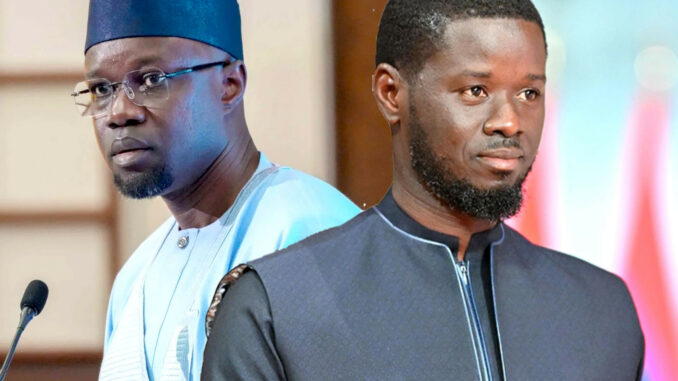
The political landscape in Senegal this week is marked by a delicate balancing act between President Bassirou Diomaye Faye and his Prime Minister Ousmane Sonko. Their contrasting approaches to governance are drawing attention as the nation navigates a critical phase of reform and national dialogue.
On May 21, President Faye launched an extensive round of consultations with key stakeholders, including political parties, civil society organizations, religious leaders, and traditional authorities. This ten-day national dialogue aims to foster unity and collective decision-making, replacing the former annual dialogue day established under Macky Sall’s administration. While some view this initiative as a bold step toward inclusivity, critics argue that the reforms driving it lack sufficient stakeholder engagement.
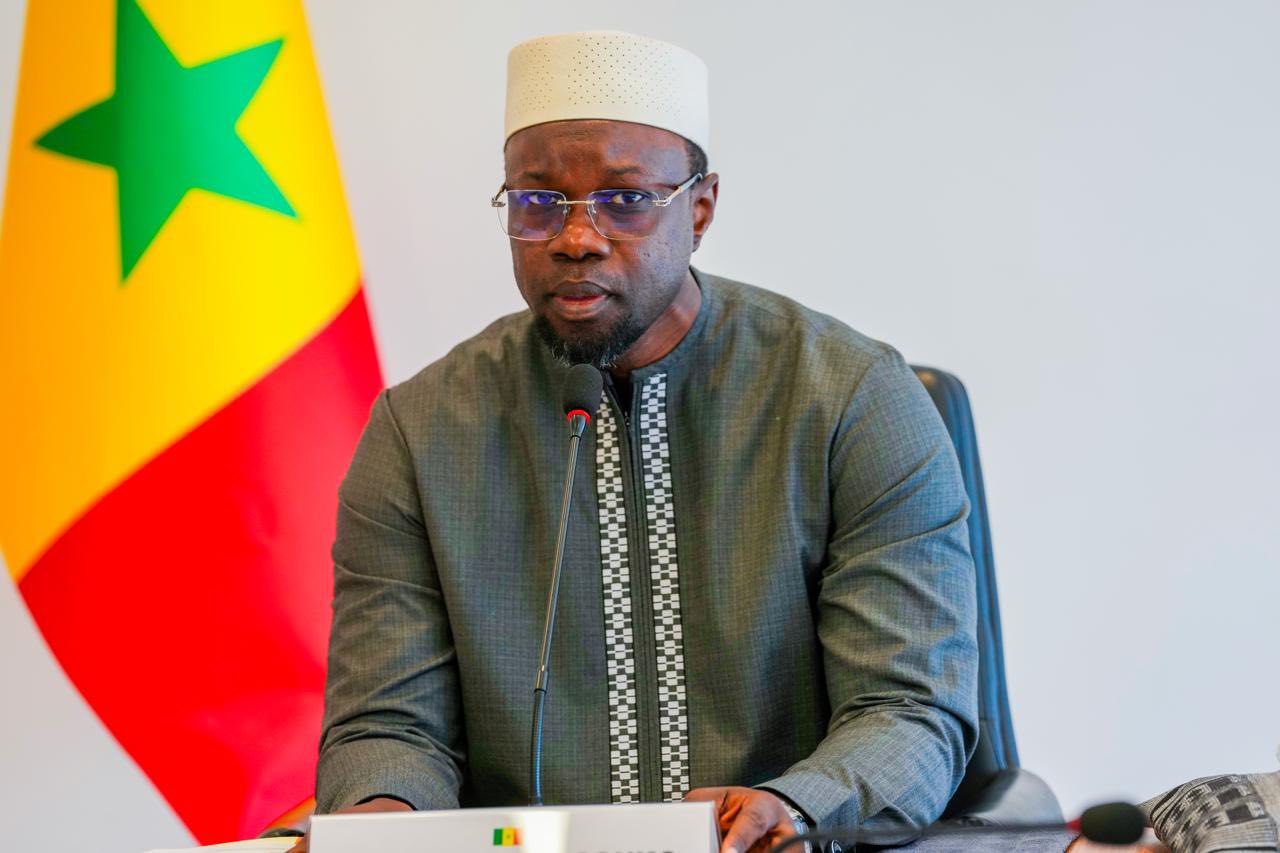
Meanwhile, Prime Minister Sonko is set to address lawmakers in a parliamentary session focused on current affairs. Though his speech is part of the legislative calendar, its timing has sparked discussions about the evolving dynamics within the executive branch. Political analysts like Maurice Soundieck Dione suggest that both leaders are vying for political and media dominance, while Assane Samb highlights the need for better coordination to prevent perceptions of a fractured leadership.
The relationship between Faye and Sonko has been a recurring topic of debate since they assumed office, raising questions about the true distribution of power within Senegal’s government.