Audit reveals staggering losses in Senegalese public infrastructure
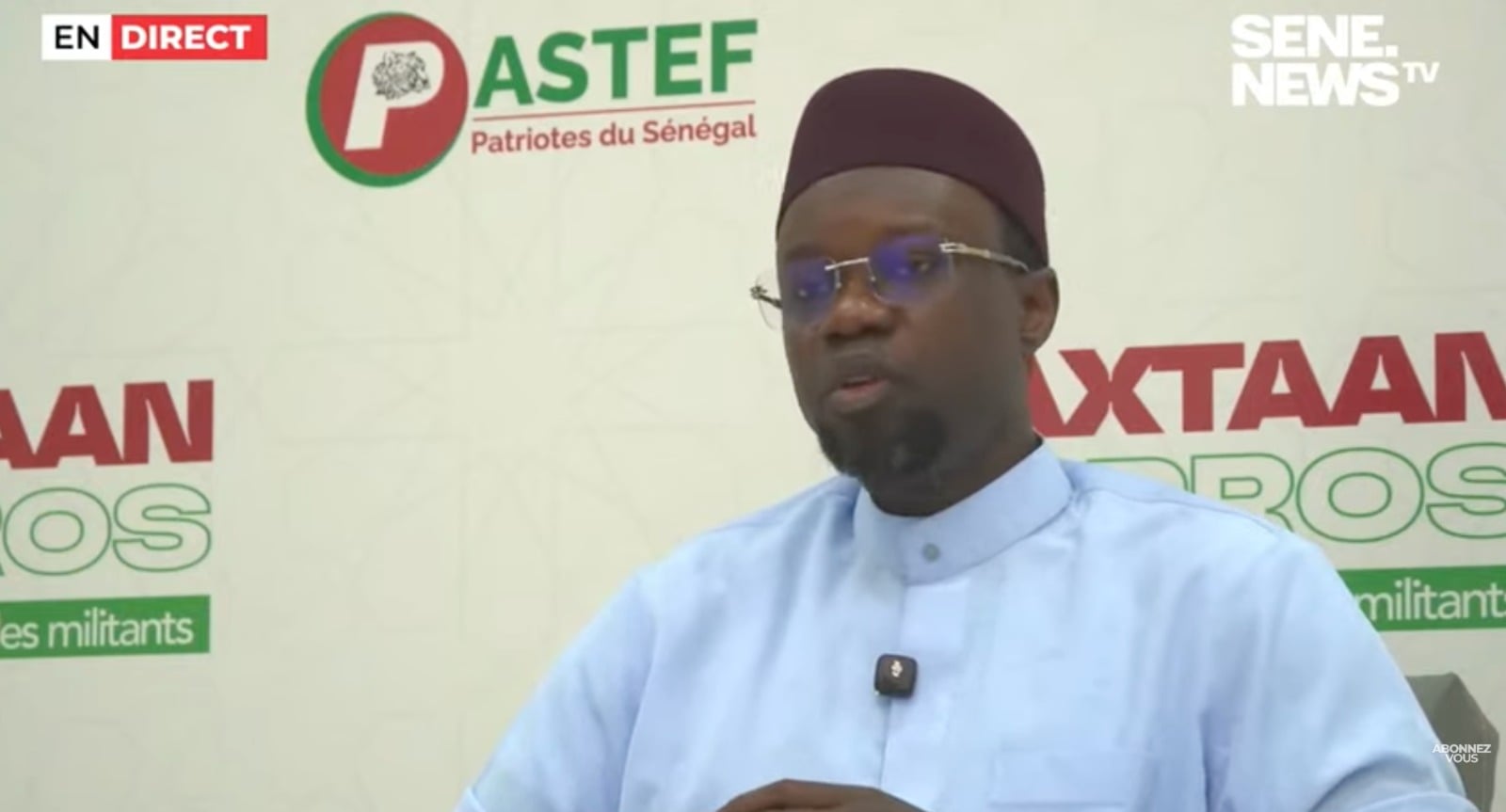
The Prime Minister of Senegal, Ousmane Sonko, has unveiled alarming findings from a comprehensive audit of the country’s infrastructure and state assets, exposing systemic failures in project management. During an emergency interministerial council meeting, Sonko presented data showing over 245 abandoned or underutilized infrastructure projects nationwide, with an estimated financial commitment exceeding 5,000 billion FCFA—nearly equivalent to the nation’s annual budget.
Among the most glaring revelations was the discovery of 30 completed projects left idle, including critical facilities like the Dakhonga Port and multiple fishing quays. These investments, totaling 279 billion FCFA, have yet to deliver any public benefit. Additionally, 62 of the 94 ongoing projects remain stalled, with the Lycée de Sandiara—a project initiated in 2014—still incomplete despite its educational urgency.
State assets and judicial accountability under scrutiny
Beyond infrastructure, the audit uncovered irregularities in the management of state-owned land and real estate. Ninety-seven properties, primarily in Dakar, valued at 132 billion FCFA, were identified as improperly sold or transferred. Sonko highlighted cases where strategic land, including the former gendarmerie headquarters site, was allegedly sold below market value—some transactions as low as 1 billion FCFA for assets worth 10-15 billion FCFA. While some properties have been recovered, the Prime Minister condemned the lack of legal consequences for those responsible.
Expressing frustration over the sluggish judicial process, Sonko questioned whether the current system could deliver justice, stating, « I sometimes wonder if it’s even worth continuing. » He accused unnamed magistrates of deliberate delays in sensitive cases, asserting that accountability mechanisms remain ineffective. Justice Minister Yassine Fall responded by pledging action against those found culpable, though Sonko remained skeptical about the pace of reforms.
Government unveils recovery plan with new oversight committee
In response to the crisis, Sonko announced the immediate formation of a high-level monitoring committee, chaired by himself, to oversee the audit’s findings. The committee will prioritize completing stalled projects, recovering misappropriated assets, and identifying responsible parties. Key directives include accelerated inventories, enhanced public-private partnerships, and stricter financial controls through the National Investment Fund (Fonsis).
The government also mandated stricter technical and operational standards for future projects, emphasizing proper utility connections, maintenance frameworks, and sustainable management models. Sonko’s directives signal a push for greater transparency, but his public skepticism underscores the depth of the challenges ahead.