
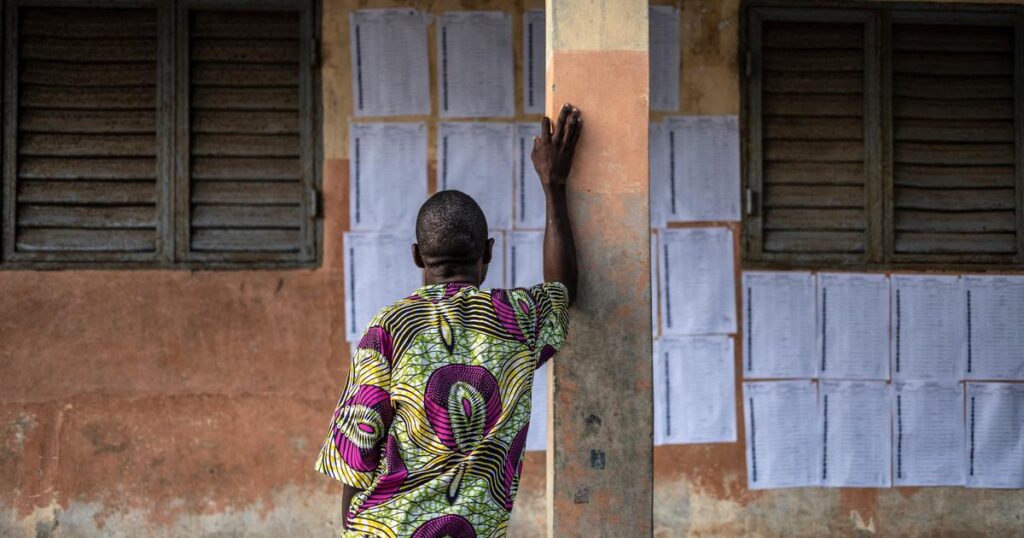
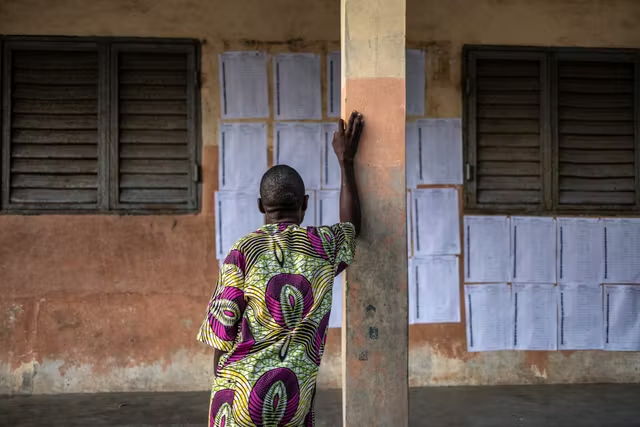
Predictable victories, suspense-free ballots, and first-round sweeps by incumbents have dominated African presidential elections in 2025. The latest examples came in Djibouti on April 10 and Benin on April 12, where outgoing leaders secured overwhelming majorities—97.8% in Djibouti and 94% in Benin. Yet these landslide results masked a deeper issue: the systematic exclusion of opposition candidates long before polling day.
In Djibouti, prominent opposition figure Alexis Mohamed abandoned his candidacy, citing both safety concerns and insurmountable financial barriers. While intimidation played a role, the most decisive obstacle was the exorbitant nomination fees, which critics argue turned the election into little more than a formality. “The deck was stacked from the start,” observers noted, with costs serving as a de facto veto against challengers.
The price of democracy
This pattern isn’t unique to Djibouti. Across the continent, burgeoning campaign costs have become a silent disqualifier for opposition hopefuls. From registration fees to logistical expenses, the financial hurdle often proves insurmountable even before campaigning begins. Analysts warn that when money—not ideas or grassroots support—dictates electoral viability, the integrity of the process is fundamentally undermined.


More Stories
Is Chad truly heading towards political appeasement?
Bradley Barcola will adapt faster than Florian Wirtz at Liverpool, says Jermaine Pennant
Togo eyes nuclear power to secure future energy sovereignty