
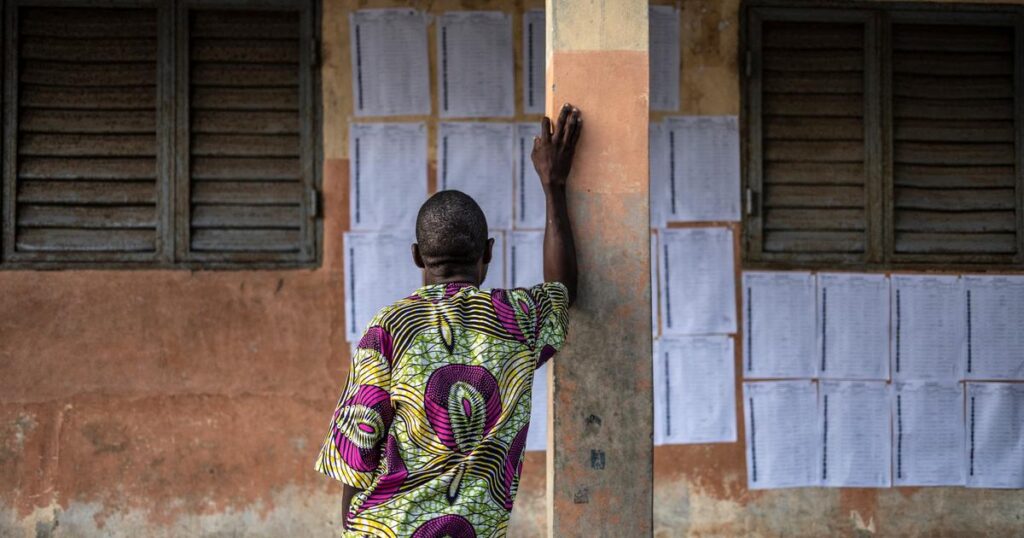
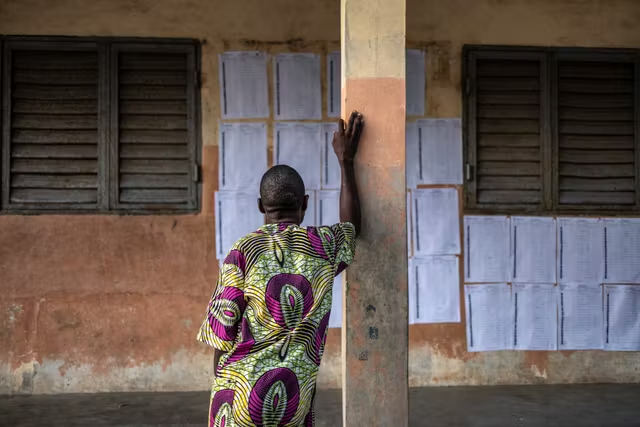
“Preordained contests”, “lackluster elections”, “incumbent presidents winning in first rounds”. The presidential polls held across Africa in 2025 laid bare a disturbing pattern: opposition candidates were systematically sidelined before campaigns even began. The latest examples came from Djibouti, where voting took place on April 10, and Benin, which held its election two days later. In Djibouti, incumbent President Ismaïl Omar Guelleh secured a sixth term with a staggering 97.8% of the vote, while in Benin, Romuald Wadagni — widely seen as Patrice Talon’s chosen successor — claimed victory with 94% of ballots cast. Such overwhelming margins in what were effectively uncontested races raised immediate questions about the integrity of these processes.
In Djibouti, opposition figure Alexis Mohamed withdrew from the race, citing insurmountable barriers. While security concerns played a role in his decision, the primary obstacle was financial: the “exorbitant nomination fees” imposed on candidates. Observers described the election as “a purely ceremonial exercise”, with the outcome predetermined by economic rather than democratic means.
The price of democracy
Rising campaign costs have become a continental trend, systematically excluding opposition voices from Africa’s electoral landscape. Candidates face fees that often exceed several years’ income for average citizens, making participation a privilege reserved for the wealthy or ruling party affiliates. This financial barrier extends beyond Djibouti and Benin, with similar patterns emerging in other African nations where elections have recently taken place.
The consequences are stark. When opposition candidates cannot afford to run, elections lose their competitive edge, transforming into mere formalities that rubber-stamp the status quo. This erosion of genuine electoral competition undermines public trust in democratic institutions and fuels perceptions of governance as an exclusive club for the elite.
Who can afford to compete?
The fee structures vary by country but share a common purpose: to limit political diversity. In some cases, these costs are justified as measures to prevent frivolous candidacies. Yet when the fees reach millions of local currency units — as they have in several African states — they effectively function as exclusionary tools, ensuring only those with substantial financial backing can participate.
This financial gatekeeping raises critical questions about Africa’s democratic future. If elections become unaffordable for all but a privileged few, what does that say about the continent’s commitment to inclusive governance? The current system risks reducing democracy to a spectacle where the outcome is known before the first ballot is cast.

More Stories
Is Chad truly heading towards political appeasement?
Bradley Barcola will adapt faster than Florian Wirtz at Liverpool, says Jermaine Pennant
Togo eyes nuclear power to secure future energy sovereignty