Economy
Somdia exits Sosucam amid sugar import controversies: what authorities concealed from the president
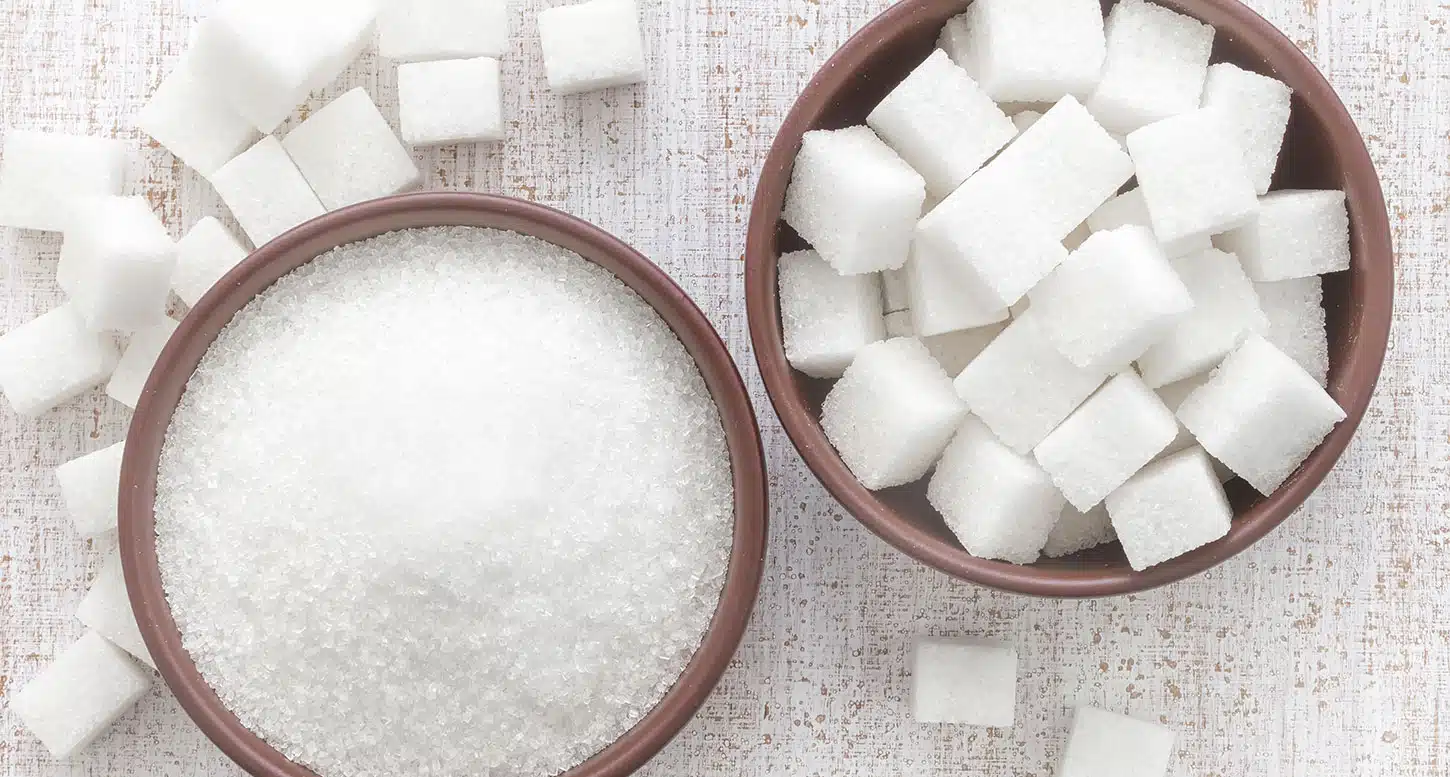
Behind Somdia’s abrupt departure from Cameroon’s largest sugar producer, Sosucam, lies a web of unfulfilled promises and alleged corruption that even the country’s top leadership may not fully grasp.
Somdia’s abrupt exit from Cameroon’s Sosucam, despite Pierre Castel’s commitments to the president, reveals deeper issues than mere family disputes. Behind the scenes, influential figures manipulated import licenses, flooding the market with cheap sugar imports that crippled local production.
According to industry insiders, Somdia has since secured a 100 billion FCFA investment deal with Ivory Coast to develop its sugar sector. The real story, however, contrasts sharply with official narratives. Somdia’s departure stems from a deliberate policy in Yaoundé that prioritized import licenses for regime allies over local producers.
Despite injecting 4.5 billion FCFA last year to offset losses from subsidized imports, Sosucam’s struggles persisted. Over 125 billion FCFA worth of sugar entered Cameroon last year alone. Worse still, these imports—often linked to powerful figures—benefited from customs exemptions. Some traders exploited loopholes, importing sugar under local market pretexts but reselling it across the subregion. Evidence suggests large sugar stockpiles remain stranded at Ngaoundéré’s rail terminal, blocked after Chad reinstated sugar tariffs on Cameroonian imports. This sugar later trickled back into Cameroon’s market, further destabilizing the industry.
Why Ivory Coast over Cameroon?
In Ivory Coast, despite local production shortfalls, the government doesn’t distribute import licenses to proxies. Instead, it calculates deficits and allocates quotas strictly to producers facing shortages. Only legitimate producers gain access when supply gaps emerge.
Be the first to comment


Comments