After months of persistent pressure from opposition groups, civil society, and religious leaders, President Félix Tshisekedi has finally signaled his readiness to convene an inclusive national dialogue in the Democratic Republic of Congo (DRC). The announcement followed a high-level meeting with religious leaders in Kinshasa, marking a significant shift in the government’s approach to national reconciliation.
The initiative, long demanded by opposition platforms such as the C64 coalition, had remained stalled until now. To move forward, President Tshisekedi must take concrete steps: issuing a formal decree to launch the dialogue, appointing impartial facilitators, and establishing a clear mandate, timeline, and framework for discussions. These decisions will shape the scope and effectiveness of the process.
Why the sudden change in stance?
Several factors appear to have influenced this decision. First, the sustained pressure from opposition groups—particularly the C64 coalition—has intensified, with a major protest originally scheduled for July 22 being postponed in response to the president’s pledge. The coalition has since set a firm deadline of August 15 for the dialogue to be formally convened, making it clear that patience is running thin.
Second, the role of religious leaders has been pivotal. Their repeated calls for dialogue as a means to reduce political tensions and foster social cohesion have amplified public expectations. By engaging with these leaders, President Tshisekedi has acknowledged the moral and societal weight they carry in shaping national consensus.
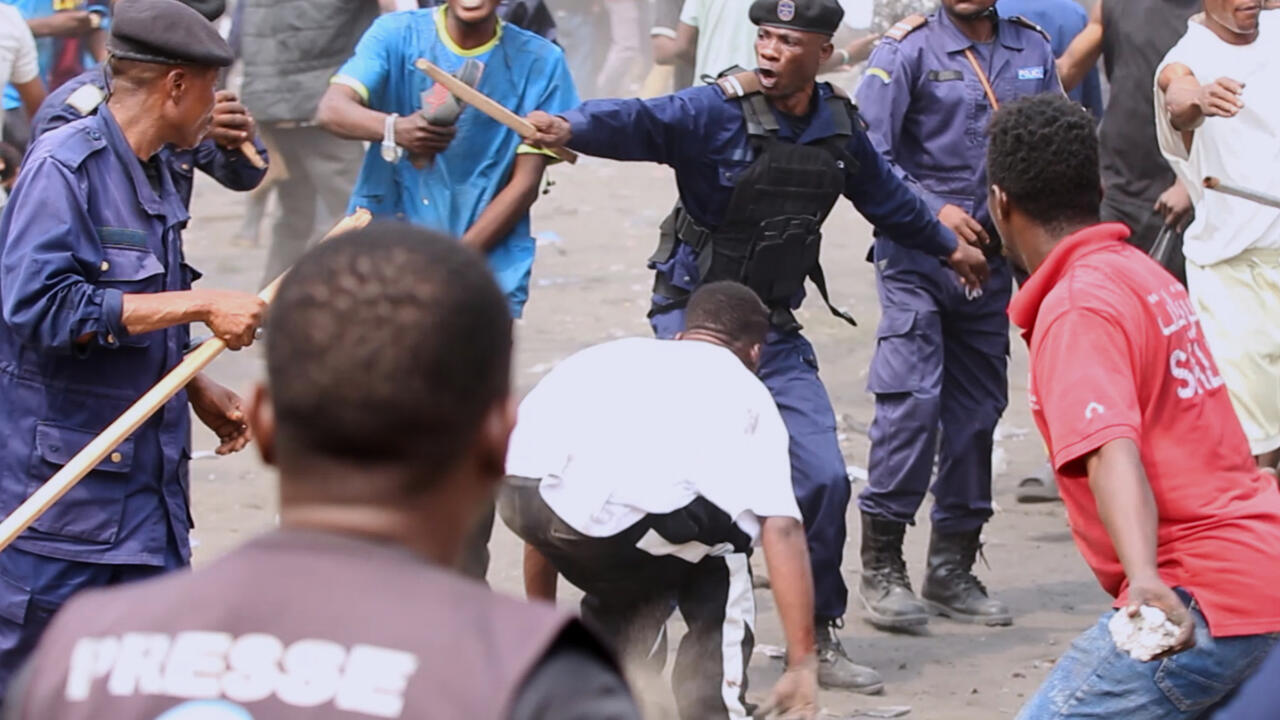
Finally, the political and social climate in the DRC remains fragile. Persistent unrest, constitutional debates, and calls for reform have created an environment where dialogue is increasingly seen not just as an option, but as a necessity to prevent further instability.
What comes next?
The path forward is complex. While the president’s openness is a positive signal, translating words into action will require careful planning. Key challenges include ensuring genuine inclusivity—representing a broad spectrum of political, ethnic, and regional voices—and securing commitments from all stakeholders to participate constructively.
The opposition’s August 15 deadline adds a sense of urgency. Failure to meet it could reignite protest movements and deepen public frustration. Meanwhile, the international community is closely monitoring developments, with many seeing this dialogue as a test of the DRC’s commitment to democratic governance and peacebuilding.
As the nation watches, the coming weeks will determine whether this dialogue becomes a turning point—or another missed opportunity for lasting change.