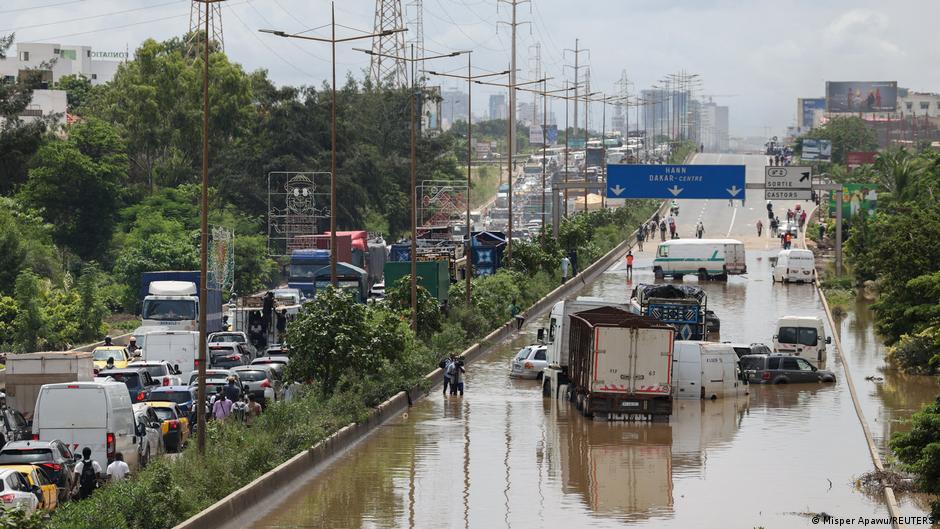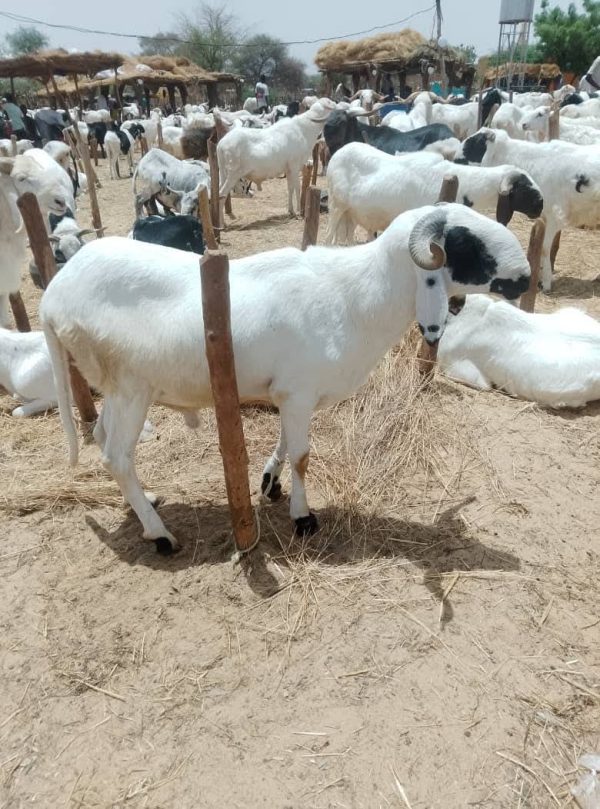
The streets of Niamey are alive with activity as the city prepares for Aïd al-Adha. Trucks laden with livestock stream into the capital from all corners of Niger, filling the markets to bursting point. Yet, despite this apparent abundance, the cost of sheep has skyrocketed, leaving many households struggling to meet the demands of tradition.
At first glance, Niamey appears overwhelmed by the sheer volume of sheep on offer. The air is thick with the sounds of engines roaring as transporters deliver their loads, and the markets pulse with activity. But this year, the usual economic rules seem to have been suspended. Supply is at record levels, yet prices continue to climb, squeezing budgets to their limits.
Prices soar as demand outpaces affordability
Last year, a rare dip in prices offered temporary relief for buyers. This year, however, the trend has reversed, with costs once again spiraling beyond the reach of many. The price disparity is stark and unmissable:
- Basic options (80,000 – 100,000 FCFA): These young lambs represent the bare minimum for families wishing to fulfill the ritual sacrifice. Their affordability, however, comes at the expense of quality.
- Mid-range choices (120,000 – 200,000 FCFA): The most popular category among the middle class, these animals offer a balance between cost and size. Still, they demand significant financial sacrifice.
- Premium selections (250,000 – 450,000 FCFA): Robust rams from sought-after breeds now cater to a niche that excludes the average wage earner in Niger.
Essentials like spices also hit record highs
The inflationary wave gripping Niamey isn’t confined to livestock. Even staple ingredients for the festive meals have surged in price. The case of dried chili peppers is particularly telling. Despite steady availability, costs have surged by 50% in a single week. A 100 kg sack that cost 20,000 FCFA last week now sells for 30,000 FCFA. At the retail level, even small quantities like 800 grams are priced at 1,000 FCFA.
The harsh reality of celebration amid economic strain
« There are sheep everywhere, but no one can afford them, » laments one shopper outside a roadside market stall. This sentiment captures the frustration shared by many in Niamey. As the most significant Muslim festival of the year approaches, the pressure on household finances has never been greater. While the markets overflow with livestock, speculation and last-minute demand threaten to leave countless families facing impossible choices.
For Nigeriens, Aïd al-Adha is a time of tradition, community, and sacrifice. Yet in 2026, this celebration comes with an added burden: the stark reality of soaring prices that force many to scale back or forgo the festivities altogether.