Discipline in Tchad’s schools: a challenge for both educators and families
School indiscipline in Tchad is undermining the country’s future leadership. Restoring order requires a shared commitment between schools, parents, and communities to build a stronger educational foundation.
Chad’s education system is grappling with a silent yet profound crisis. Across numerous schools, the erosion of discipline is directly threatening the development of the nation’s future leaders. Addressing this national challenge demands a collective responsibility among educators, families, and society at large.
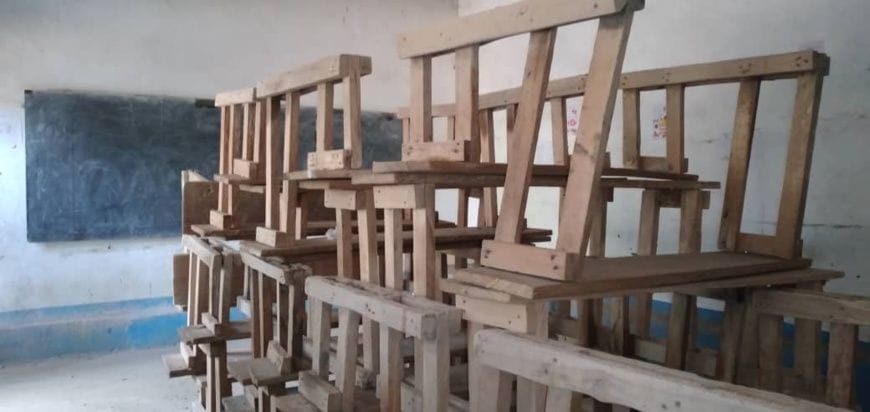
Growing disrespect toward teachers, frequent fights, excessive phone use in class, vandalism of school property, and violent incidents—once rare—have become alarmingly commonplace. These trends are causing deep concern among instructors, school administrators, and parents alike.
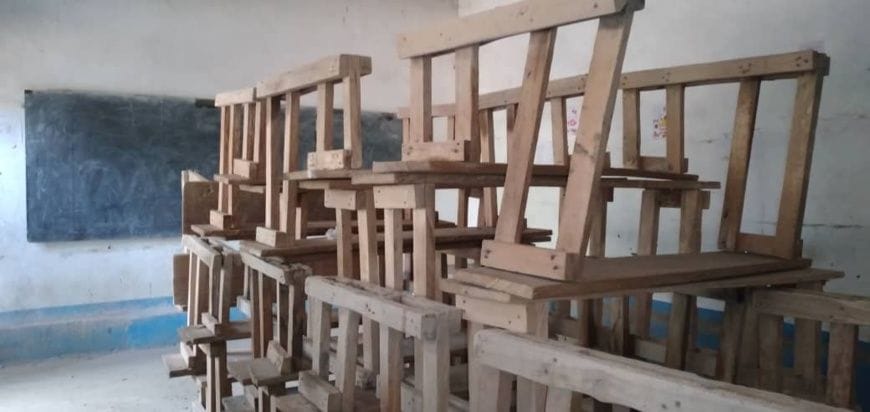
The severity of this issue is no longer hidden. In secondary schools throughout N’Djamena and rural areas, disruptions routinely derail lessons. Educators describe an increasingly tense atmosphere where maintaining focus, order, and mutual respect feels like an uphill battle. With students growing more resistant to authority, many teachers feel overwhelmed, despite clear school rules and established disciplinary measures.
The family unit remains the primary environment where children first learn discipline, respect for authority, the value of effort, and the boundaries that shape behavior. “Teaching today is far more difficult than before,” explains Michel Ngardiguina, a French teacher at a N’Djamena high school. “Some students refuse to accept any form of correction or authority from teachers. Even a simple reminder can spark insults or aggressive reactions. Without parental support at home, schools alone cannot address all these issues.”
Amina Moussa, a parent from the Walia Barrière neighborhood in N’Djamena, echoes this concern: “Many parents are overwhelmed by economic hardships and struggle to monitor their children’s activities. Phones and social media are heavily influencing students today. We must reclaim our role in guiding our children and work more closely with teachers to secure their future.”
Unfortunately, many parents—burdened by financial strain, family responsibilities, or time constraints—have shifted this critical responsibility entirely to schools. The consequences are clear: some children grow up without clear guidance, left to navigate external influences like social media and negative peer groups without sufficient awareness of the importance of education.
Schools play a vital role in shaping young minds and fostering values like civic responsibility, discipline, and social cohesion. Yet, they cannot single-handedly compensate for gaps in a child’s foundational education. When families fail to instill discipline early on, schools face an uphill struggle to correct entrenched behavioral issues. A chronically undisciplined education system risks producing citizens unprepared for the demands of modern society.
This pressing situation calls for urgent, unified action. Neither schools nor families can succeed in isolation. A stronger partnership requires concrete steps, including:
- Strengthening student monitoring through regular parent-teacher meetings;
- Fostering ongoing dialogue with adolescents to better understand their challenges;
- Revitalizing parent-teacher associations to enhance community involvement;
- Launching awareness campaigns on the importance of discipline and adherence to school rules.
The future of Chad is being shaped every day in classrooms across the country. For a nation striving for progress, restoring school discipline and reinforcing parental responsibility is not just important—it is a national imperative. The time for observation has passed; decisive, coordinated action is now essential.