
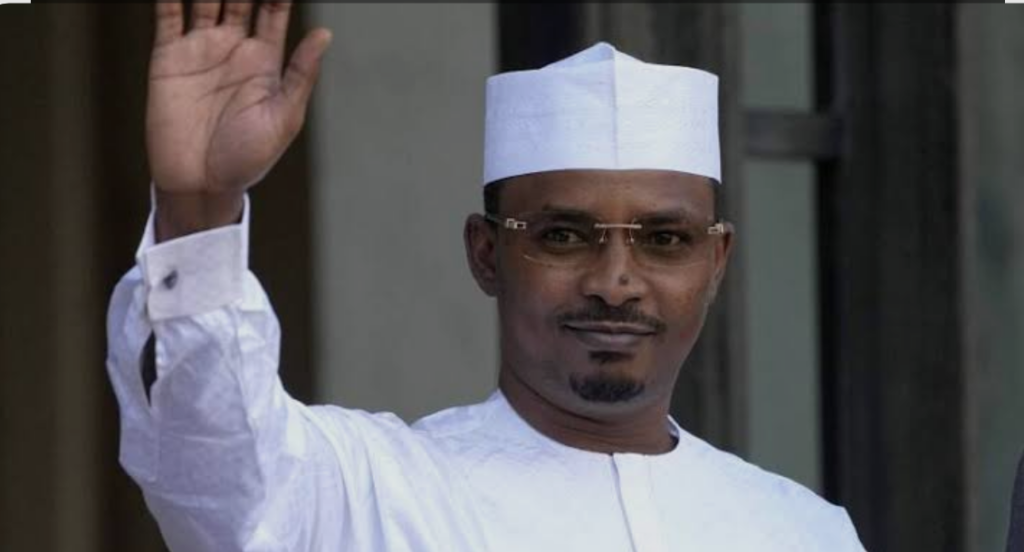
N’Djamena’s bold move shakes global justice landscape
In a historic diplomatic decision, Chad has formally initiated its exit from the International Criminal Court (ICC) by submitting withdrawal documents to the United Nations headquarters. This unprecedented move, announced on July 27, sends shockwaves through the international community while raising critical questions about human rights protection and judicial sovereignty in Africa.
A definitive break with The Hague
The withdrawal process is now underway after Chad’s government transmitted official notification to the UN Secretary-General, triggering the one-year countdown outlined in the Rome Statute. Officials in N’Djamena have been vocal about their discontent with what they describe as the ICC’s “political manipulation” and “geographical bias,” particularly its alleged over-representation of African cases while overlooking similar crimes elsewhere.
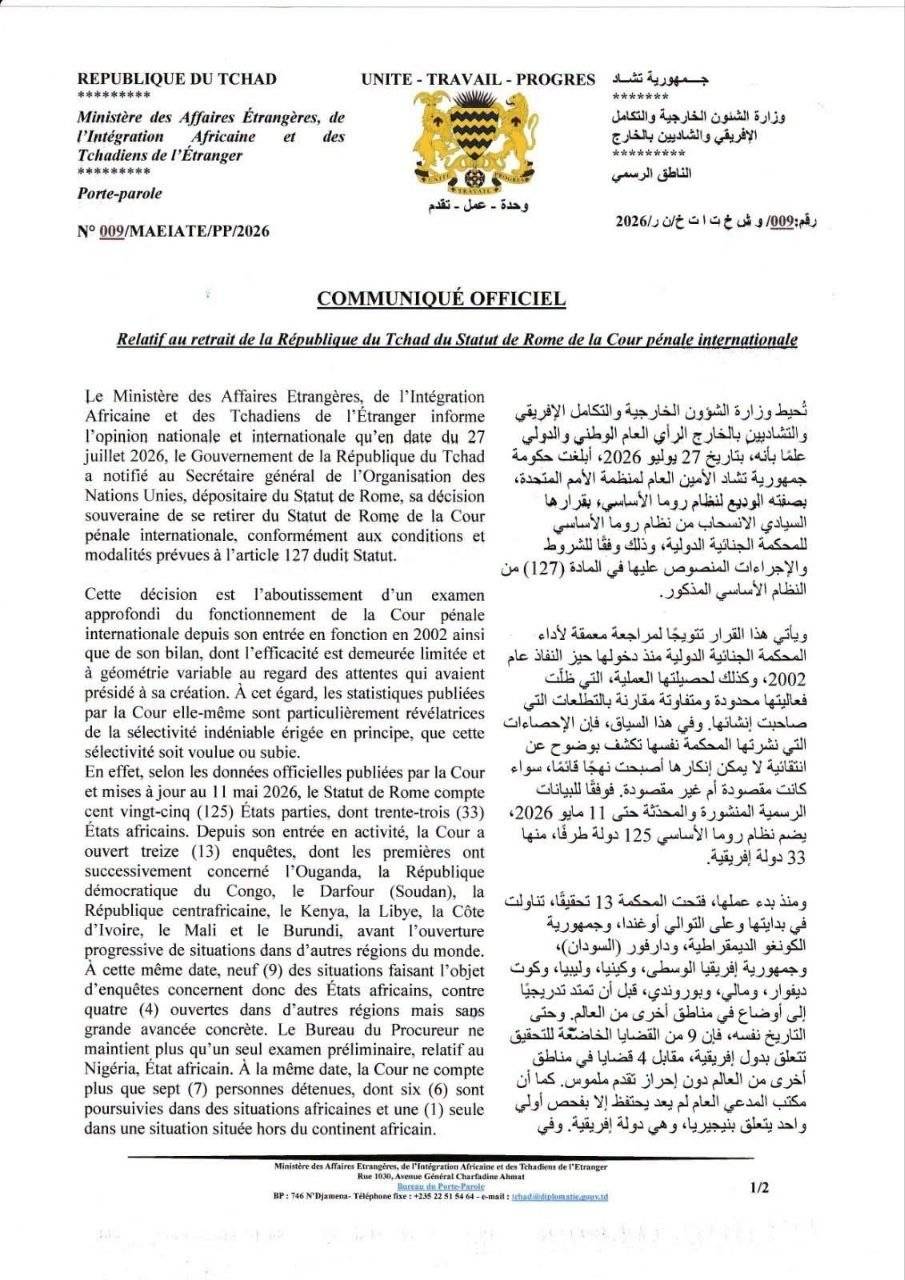
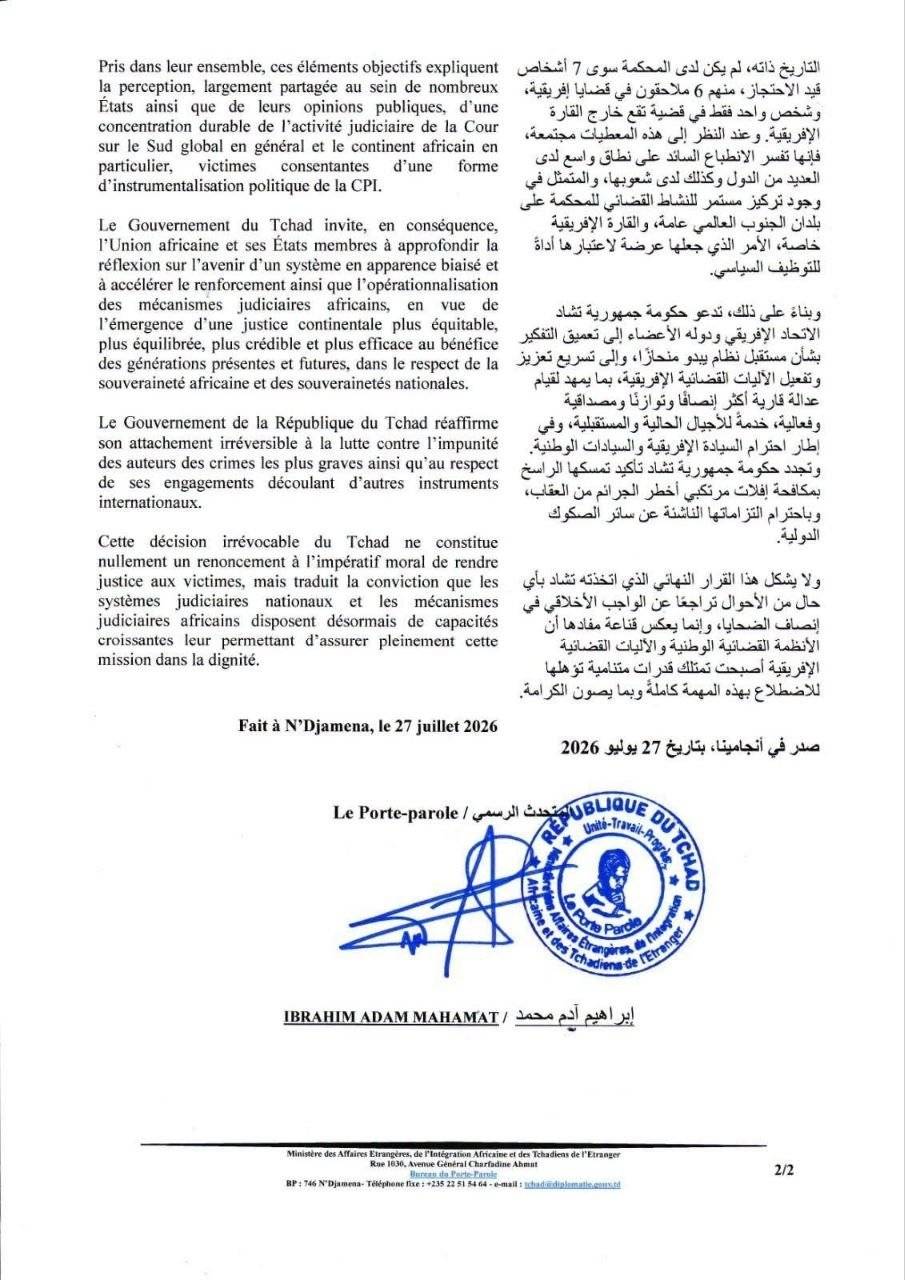
The government argues that the international judicial body has failed to deliver equitable justice, with 90% of its investigations targeting African nations. This accusation taps into a growing sentiment across the continent, where many leaders argue that the ICC has become a tool of Western geopolitical influence rather than an impartial arbiter of international law.
Human rights implications for Chad’s citizens
The withdrawal carries immediate consequences for Chad’s population, particularly victims of war crimes and human rights abuses. The ICC’s subsidiary role – stepping in when national courts cannot or will not act – means its departure eliminates the final international safeguard against mass atrocities within Chad’s borders.
For victims of state-sponsored violence or armed groups, justice now depends entirely on Chad’s domestic judiciary. Civil society organizations warn that without international oversight, the risk of impunity for perpetrators increases significantly, particularly when powerful political or military figures are involved.
The delicate balance of national sovereignty
Chad’s decision reflects broader regional trends where African nations increasingly prioritize national sovereignty over international obligations. While government officials frame this as a necessary step to strengthen local institutions, the move carries diplomatic risks. Western donors have historically linked development aid to human rights commitments, while foreign investors often view independent judicial systems as key indicators of a stable business environment.
The African Union, despite its past criticism of the ICC, remains divided on this radical approach. Chad’s withdrawal represents the most concrete rejection yet of the court’s authority within the continent’s judicial landscape.
Can Chad’s justice system fill the void?
The government asserts that Chad’s judicial system is now fully capable of handling its own cases, but this claim comes with significant caveats. Experts point to the need for substantial reforms, including increased funding for courts, stronger protections for judges and witnesses, and comprehensive training for legal professionals to handle complex international crimes.
The one-year transition period before withdrawal takes full effect provides a critical window. During this time, the ICC retains jurisdiction over crimes committed before the notification, though Chad’s cooperation may wane. Domestic courts will need to demonstrate immediate capability to handle sensitive cases, particularly those involving high-ranking officials.
A turning point for African justice
This decision marks a watershed moment in Africa’s relationship with global governance institutions. While many applaud the rejection of perceived double standards in international justice, concerns persist about the practical impact on victims. The real test will come in Chad’s courtrooms, where the government’s commitment to justice will be measured not in diplomatic statements, but in tangible outcomes for ordinary citizens.
Whether this move ultimately strengthens national sovereignty or erodes fundamental rights remains to be seen. One thing is certain: Chad’s withdrawal from the ICC has irrevocably altered the landscape of international criminal justice in Africa.


More Stories
Mali: près de 80 soldats tués dans l’attaque de Dioura
Côte d’Ivoire : le Burida prépare une distribution record de 795,4 millions FCFA
Paris FC vs Lyon: kick-off time and TV channel for the Ligue 1 matchday 4 clash