
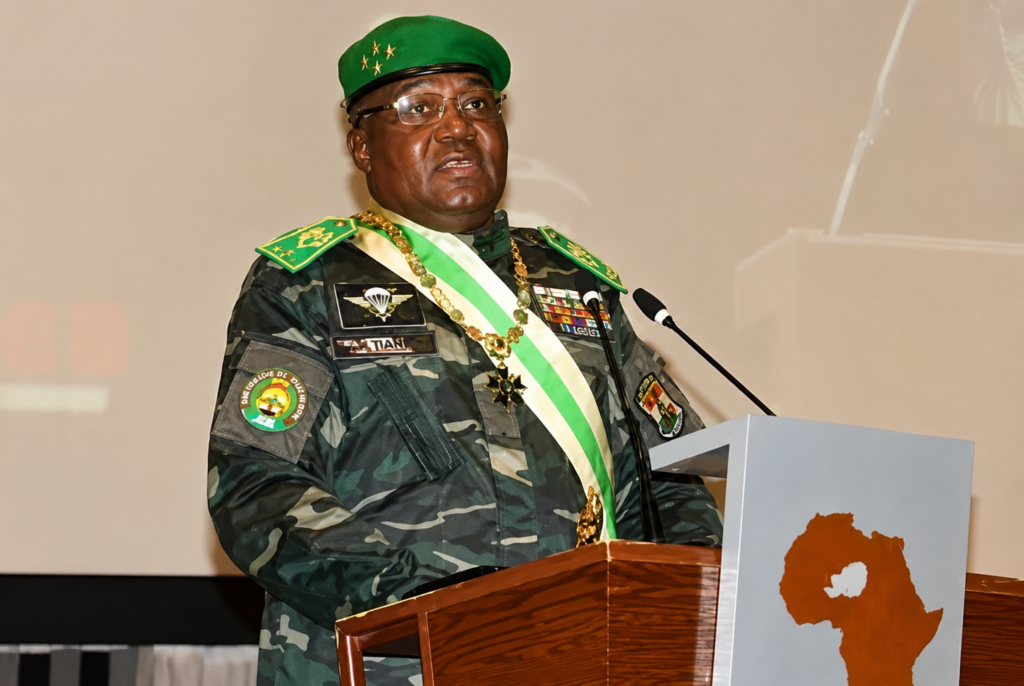
After three years of military rule, Niger faces deepening crises
Three years have passed since Niger’s military leadership seized power in July 2023, promising a new era of national sovereignty, security, and economic revival. Yet, the reality for ordinary citizens tells a different story—one of persistent hardship, deepening isolation, and unmet expectations.
The junta’s stated goals included restoring security, reviving the economy, and strengthening national unity. However, the outcomes have fallen far short of these ambitions, leaving the population grappling with worsening living conditions and mounting uncertainties.
While the military government highlights its break from Western partners as a victory for sovereignty, the consequences for the people have been severe. Diplomatic isolation, regional tensions, and economic instability have compounded the challenges facing the country.
A battered economy and struggling households
The economic fallout from the political transition has been widespread. Disrupted trade with neighboring nations, supply chain breakdowns, and early sanctions have crippled key sectors. Businesses have scaled back operations or shut down entirely, while job opportunities have dwindled.
Inflation has surged, driving up the cost of essentials like food, fuel, and household goods. For many families, purchasing power has eroded steadily, making each month harder than the last. Local governments, small traders, and farmers face mounting financial barriers, with limited access to credit and an unpredictable economic climate stifling private investment.
Shrinking civic freedoms and a climate of fear
The space for public dissent has narrowed significantly. Human rights advocates warn of an increasingly repressive environment, where criticism of the authorities can lead to legal repercussions or arrests.
Independent media outlets operate under heightened scrutiny, with journalists reporting intimidation and restrictions on their work. Public protests are tightly controlled, and political gatherings remain heavily restricted, limiting the ability of opposition groups and civil society to voice concerns.
Faced with these constraints, many citizens choose silence to avoid trouble, while others flee the country in search of stability.
Security concerns remain unresolved
The junta initially framed its takeover as essential for combating terrorism. Yet, despite military restructuring and new security alliances, armed group attacks continue to devastate swathes of the country.
Border regions bear the brunt of the violence, with civilians facing forced displacements, disrupted livelihoods, and blocked access to basic services. Villages in conflict zones struggle to maintain agricultural production, education, and economic activity, as insecurity persists.
The continued threats raise serious questions about the effectiveness of the current security strategy.
A leadership struggling to justify its rule
The recent televised address by General Abdourahamane Tiani underscored the regime’s challenges. Instead of outlining tangible steps to address immediate economic or security concerns, the speech focused on external threats and blaming foreign actors.
Analysts argue this approach reflects the government’s struggle to demonstrate meaningful progress on the core issues that led to its rise. As hardships mount, public trust in the regime’s solutions is waning, with growing skepticism toward its narrative of external scapegoats.Political stagnation and democratic backsliding
The prolonged military rule has also deepened political stagnation. The absence of a clear roadmap for a return to civilian governance fuels doubts about the country’s institutional future. Political parties operate under severe constraints, and public debate remains tightly controlled.
The centralization of power within military hands has heightened concerns about the erosion of democratic checks and balances, as well as reduced citizen participation in governance.
Three years later: a nation at a crossroads
As Niger marks three years under military leadership, the gap between promises and reality has never been clearer. The economy remains fragile, living costs continue to rise, civic freedoms are under strain, and insecurity lingers in key regions.
For many Nigeriens, the priority is no longer political debates but tangible solutions: stable livelihoods, reliable security, and economic opportunities that offer a pathway to a better future. Calls for accountability, dialogue, and concrete action to address public concerns are growing louder by the day.


More Stories
Mali: près de 80 soldats tués dans l’attaque de Dioura
Côte d’Ivoire : le Burida prépare une distribution record de 795,4 millions FCFA
Paris FC vs Lyon: kick-off time and TV channel for the Ligue 1 matchday 4 clash