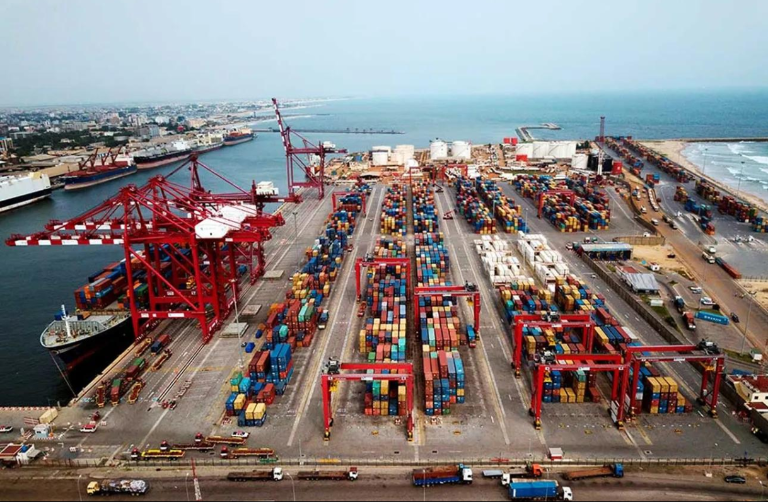
Benin has reached a defining moment in its economic trajectory with a groundbreaking trade pact that slashes tariffs on over 3,000 products bound for the United Arab Emirates. The agreement, signed during a high-profile state visit in late 2026, signals a major pivot toward diversified exports, job growth, and industrial deepening for the West African nation.
From raw materials to finished goods: The export evolution ahead
This landmark deal removes trade frictions that have long constricted Benin’s economic potential. By exempting duties on thousands of agricultural and processed items—including cotton, cashews, soybeans, shea butter, and processed foods—the agreement positions Benoni as a more competitive supplier in one of Africa’s most lucrative non-oil markets.
The real breakthrough lies in shifting the narrative from mere commodity sales to value-added products. With tariffs no longer eating into margins, local manufacturers can reinvest profits into higher-quality processing, better packaging, and compliance with UAE’s stringent health and safety standards.
Key export sectors poised for growth
- Cotton: Benin’s white gold could command premium prices in UAE textile hubs, especially with cleaner, certified supply chains.
- Cashew nuts: Processing facilities from Parakou to Porto-Novo could now supply roasted, flavored or packaged kernels, capturing higher margins than raw exports.
- Shea butter: Cosmetic and food-grade derivatives now face fewer barriers to enter GCC beauty and confectionery markets.
- Agro-industrial blends: Canned coconut-peanut sauces or fortified cereals could find shelf space in Dubai supermarkets.
Investment ripple effects: Jobs, skills and infrastructure
The trade window opens secondary avenues for economic upgrading. UAE investors are already eyeing Benin’s renewable energy potential—solar-powered agro-processing units, cold-chain logistics, and irrigation systems—to sustain year-round production and meet UAE buyers’ demands for traceable, sustainable goods.
Local cooperatives, women-led processing groups, and small logistics firms stand to gain most if they can secure financing and training. Success here hinges on government-backed export readiness programs that cover certification, trade finance, and digital marketing to UAE importers.
Labor market gains: Where new jobs could emerge
- Expanded cashew hulling and shelling operations in northern Benin.
- Warehousing and last-mile delivery networks linking Cotonou port to desert cities.
- New roles in quality control, halal certification, and bilingual trade documentation.
Roadblocks on the path to prosperity
Tariff relief, while transformative, is not a silver bullet. Supply chain resilience will be tested by:
- Inconsistent electricity in rural areas threatening cold storage.
- Limited access to trade credit for smallholder exporters.
- Sanitary and phytosanitary delays at UAE ports of entry.
Economic planners warn that without synchronized investments in transport corridors, processing zones, and skills upgrading, much of the duty-free advantage could leak to foreign intermediaries or go unrealized entirely.
Momentum building: Trade flows already shifting
Two-way commerce hit $2.15 billion in 2025—up 65 % year-on-year—before the deal’s ink was dry. UAE traders are reportedly scouting Benin’s cotton gins, shea cooperatives, and fruit-packing plants for direct sourcing.
Analysts forecast Benin’s non-oil exports to the UAE could swell by over $100 million annually by 2033, though these projections assume sustained policy follow-through and infrastructure upgrades. The true measure of success will be visible on factory floors and rural homesteads: more finished goods leaving Benin, more stable incomes, and a diversified economy less exposed to global price swings.
The partnership inaugurated in Abu Dhabi is only the first chapter. The next phase demands coordinated action from Benin’s public and private sectors to turn tariff relief into lasting prosperity.