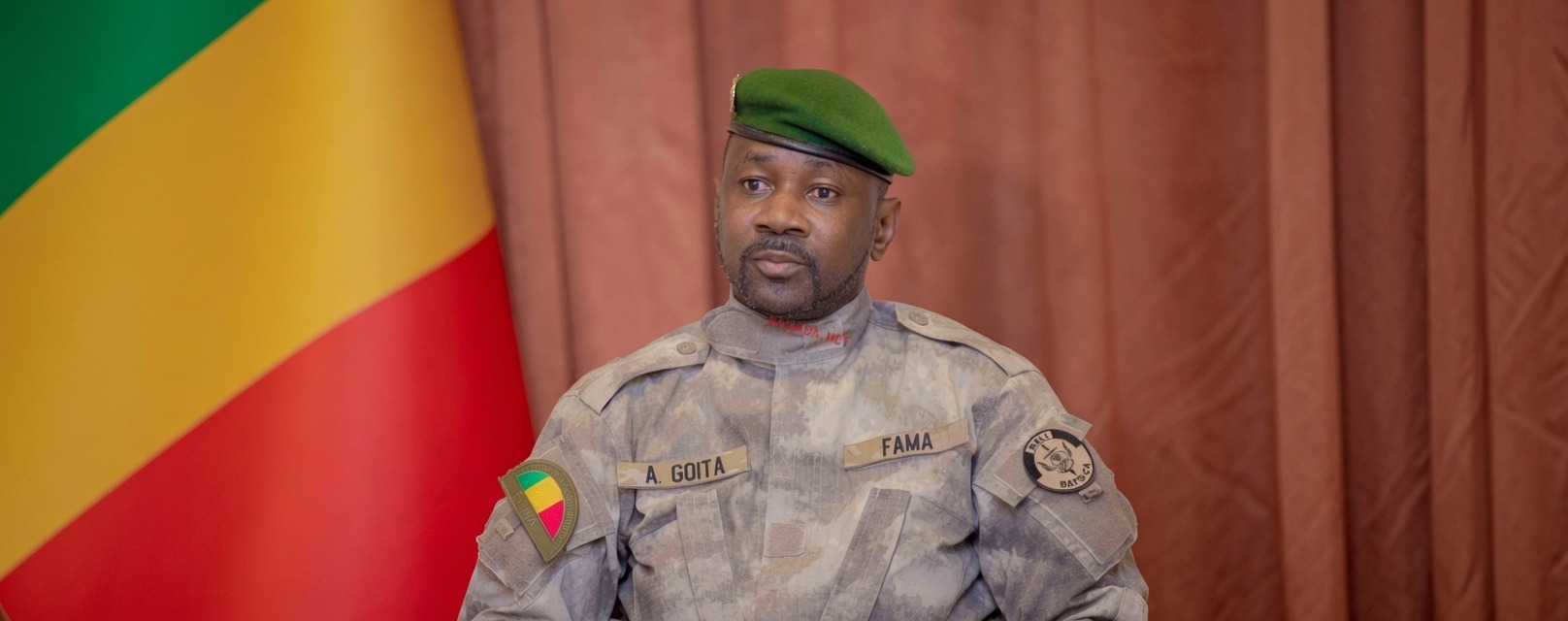
As Mali’s military junta presses forward with its counterterrorism campaign under the banner of reclaiming state sovereignty, a dangerous turning point has been reached. What began as a pledge to restore peace has devolved into a cycle of violence, where operational efficiency is measured in civilian casualties rather than compliance with international law.
From paper commitments to battlefield realities
The Malian Armed Forces (FAMa) and their Russian-backed allies in the Africa Corps entered the conflict armed with a legal legacy—one that includes ratifications of the Geneva Conventions since 1965 and additional protocols focused on non-international armed conflicts. Training programs once mandated the teaching of conflict law in military barracks. Yet, the gap between official doctrine and on-the-ground execution has widened into a chasm, where civilian protection has become collateral damage in a war driven by brute force rather than precision.
The human cost behind closed doors
Independent monitoring confirms a disturbing trend. Since international observers departed in late 2023, the number of reported civilian abuses has surged. Villages in central and northern Mali have been systematically targeted, with incidents ranging from summary executions and enforced disappearances to systematic torture. Documented cases include electric shocks, waterboarding, and other degrading treatments that violate both Malian and international law.
These violations are not isolated errors—they reflect a deliberate strategy. Communities like the Fulani have borne the brunt of this approach, trapped between the terror of jihadist factions and the state’s retaliatory brutality.
Silence as a weapon: the vacuum left by MINUSMA’s exit
The junta’s decision to accelerate the withdrawal of the UN mission (MINUSMA) was framed as a sovereign act. But it also removed the last independent eyes from the ground. With no neutral monitors present, reports compiled remotely by human rights organizations reveal a disturbing spike in abuses—signaling a new era of unchecked impunity for state-aligned forces.
Justice blocked, legitimacy lost
Attempts to seek justice face insurmountable hurdles. The International Criminal Court’s withdrawal from the region and the political manipulation of Mali’s judiciary have closed institutional pathways for accountability. Regional bodies have failed to intervene meaningfully; the African Union issues cautious statements while the Economic Community of West African States (ECOWAS) remains focused on constitutional order rather than battlefield conduct.
The paradox of counterterrorism
Instead of weakening armed groups, the junta’s approach has backfired. Alienated communities, stripped of basic rights and subjected to collective punishment, are increasingly susceptible to recruitment by insurgent factions. What was meant to be a campaign for stability has eroded trust in the state, turning civilians into both victims and potential adversaries.
The irony is sharp: a government that claims to defend its people through overwhelming force is undermining its own legitimacy with every violation. A state that tramples its citizens’ rights cannot credibly claim to represent them.
What comes next? The cost of a broken strategy
The junta now stands at a crossroads. Continued reliance on militarized tactics without legal or humanitarian guardrails risks escalating insurgency rather than suppressing it. Without urgent corrective measures, Mali may find itself mired in a conflict where the line between combatant and civilian has been erased—and where the state, once the defender of its people, has become their greatest threat.