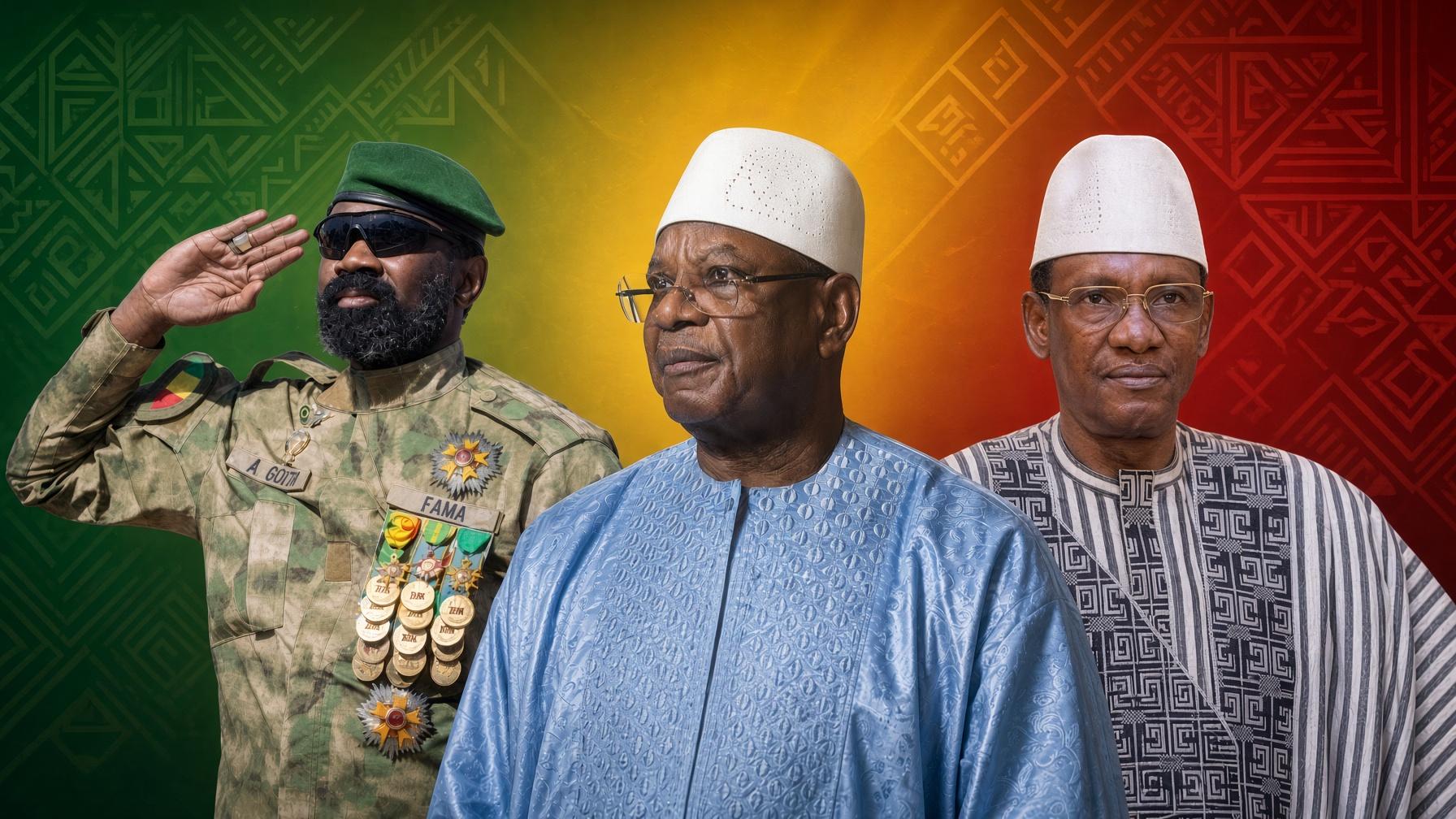
Once the architects of Mali’s political landscape, the veteran figures who shaped its democratic history have been systematically sidelined in a sweeping shift that began with the rise of General Assimi Goïta and the military leadership. Far from fading quietly, the collapse of the traditional political class has been orchestrated through a deliberate campaign of marginalization that has reshaped power in Bamako—and left the nation at a crossroads.
The strategy behind the silencing: prison, exile, and forced compliance
The old political guard, once synonymous with access to power, influence, and media platforms, now faces a stark choice: detention, departure, or compliance. Under the junta’s consolidated authority, the avenues once open to opposition voices have been closed off through a multi-pronged approach:
- Judicial encirclement: Prominent party leaders from ADEMA to RPM have found themselves behind bars or embroiled in protracted legal battles. Charges ranging from ‘undermining state security’ to ‘financial mismanagement’ have become tools of political neutralization. Even those once seen as regime allies, like former Prime Minister Choguel Maïga, now face detention without the protections of their past roles.
- Exile as survival: Many former ministers, party officials, and civil society leaders have fled to neighboring capitals like Dakar, Abidjan, or further afield to Paris. From abroad, their influence wanes as the junta tightens control over national narrative and media access in Bamako.
- Self-censorship as default: Those who remain face an unspoken but clear directive: silence. Party activities have been suspended, associations dissolved, and dissent equated with ‘high treason’ or alignment with ‘destabilizing forces.’ For the once-powerful elite, survival now means withdrawal from public debate.
From public disillusionment to institutional freeze: how the junta rewrote the rules
The junta’s ascent was fueled by widespread frustration with decades of corruption, political infighting, and the inability to address mounting security crises. By positioning the traditional political class as the sole cause of national decline, General Goïta tapped into a deep well of public resentment. What began as accountability rhetoric has, however, evolved into a structural freeze on democratic processes.
The postponement of elections, the sidelining of elected institutions, and the creation of tailored transition bodies have permanently altered the political map. Parties that once dictated governance agendas now watch from the sidelines as the junta redefines the nation’s future—without their input or oversight.
A vacuum of opposition: the risks of a politics without politicians
By fragmenting major parties and isolating their leaders, the military leadership has erased the political architecture that emerged from Mali’s 1991 revolution. While the neutralization of former elites may offer short-term stability, it also strips the country of structured debate, accountability mechanisms, and democratic mediation. The junta now faces a paradox: in silencing dissent, it has also silenced renewal.
Sidelining the old guard may have quelled immediate opposition, but it has left the country without a vital link between citizenry and governance. In a climate dominated by security threats and economic strain, a leadership without political intermediaries risks isolation—undermining both legitimacy and resilience.
What lies ahead: a nation at the mercy of its transitional moment
The junta’s break with the past is not merely symbolic—it is structural. Yet the absence of a robust political class raises urgent questions: Can Mali sustain a transition without opposition voices? Will the silencing of dissent breed long-term stability or accelerate internal fractures? And perhaps most critically, how will a nation rebuild its democratic fabric when its architects have been removed by force?
The answers remain unwritten. But one thing is clear: Mali’s political landscape has reached a turning point. The question now is not just who holds power—but who will define the country’s future beyond the confines of military rule.