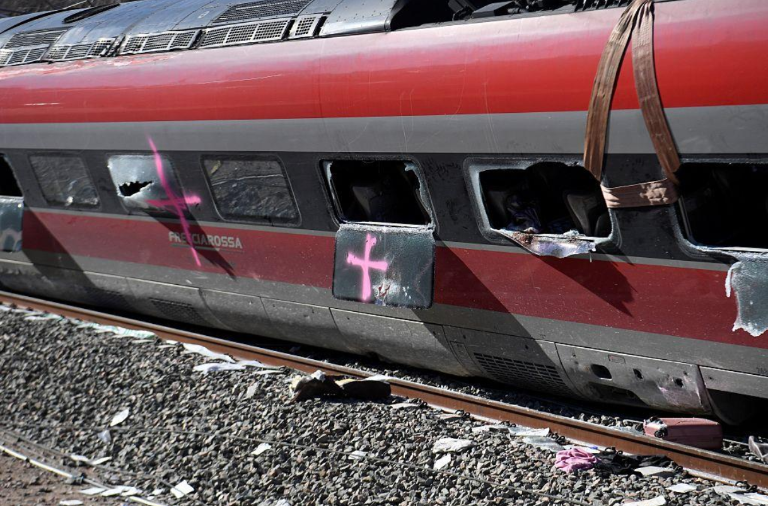
Spain is grappling with a devastating rail disaster that has left 46 people dead and 179 injured after two high-speed trains collided in the province of Toledo. The unprecedented crash near Urda marks a critical turning point in the country’s ongoing efforts to address railway safety concerns.
When speed meets tragedy: a high-speed collision shakes Spain
The catastrophic incident unfolded on a critical rail link connecting Madrid to Andalusia, where a Renfe-operated high-speed train slammed into a stationary Iryo train. The force of the impact sent several carriages derailing, with some crashing down an embankment, creating an immediate challenge for rescue teams.
A human tragedy of unprecedented scale
With scores of passengers on board both trains, the collision’s human toll has shocked the nation. Rescue operations continue amid difficult conditions as emergency responders work around the clock to free individuals trapped in severely damaged carriages. The provisional death toll stands at 46, though authorities caution that the number may rise as rescue efforts progress.
The injured have been transported to nearby hospitals, with medical teams prioritizing critical cases. For the families of those on board, the unfolding situation is a nightmare, as they await news of their loved ones in a tense and uncertain environment.
Rescue efforts reveal devastating scenes
The scale of destruction at the collision site has forced authorities to suspend train services on the affected route, causing major disruptions for travelers heading to or from Madrid and southern Spain. Rescue teams, including firefighters, paramedics, and civil protection personnel, have been working tirelessly to clear debris and stabilize the situation.
Identifying victims and notifying families has become a heart-wrenching priority. Each passing hour adds to the emotional strain on those waiting for updates, as the nation collectively mourns the loss of life and prays for the recovery of the injured.
What led to the collision? Investigators seek answers
With the human toll already devastating, one question looms large: how could such a collision occur on a high-speed rail line? Early reports suggest potential flaws in signaling systems, traffic control protocols, or communication breakdowns between conductors and control centers.
While these are initial observations, a thorough technical investigation is underway to piece together the exact sequence of events. Authorities are scrutinizing train recordings, signal integrity, infrastructure conditions, and operational procedures to determine whether technical failures, human errors, or a combination of factors contributed to the tragedy.
Could this disaster have been prevented?
The investigation aims to uncover critical insights into whether existing safety measures were sufficient or if gaps in protocol allowed the collision to occur. By reconstructing the moments leading up to the impact, investigators hope to identify actionable steps to prevent similar incidents in the future.
Railway safety under scrutiny: a nation demands accountability
This latest tragedy arrives amidst growing public concern over Spain’s rail safety record, following a series of recent accidents. The collision near Urda has reignited debates over infrastructure maintenance, equipment reliability, and traffic management systems.
However, authorities emphasize the importance of allowing investigations to run their course before drawing broad conclusions. The focus remains on delivering justice for the victims and their families while ensuring that every effort is made to enhance rail safety standards across the country.
A nation in mourning and anticipation
Beyond the numbers, the collision has left behind shattered families, grieving communities, and a national conversation about responsibility and prevention. As the rescue operations wind down and investigations ramp up, the nation remains on edge, awaiting definitive answers.
The coming hours and days will be crucial, not only in clarifying the causes of the disaster but also in providing closure to those affected. Until then, the priority remains caring for the injured, supporting families, and uncovering the truth behind one of Spain’s most tragic rail accidents in recent history.