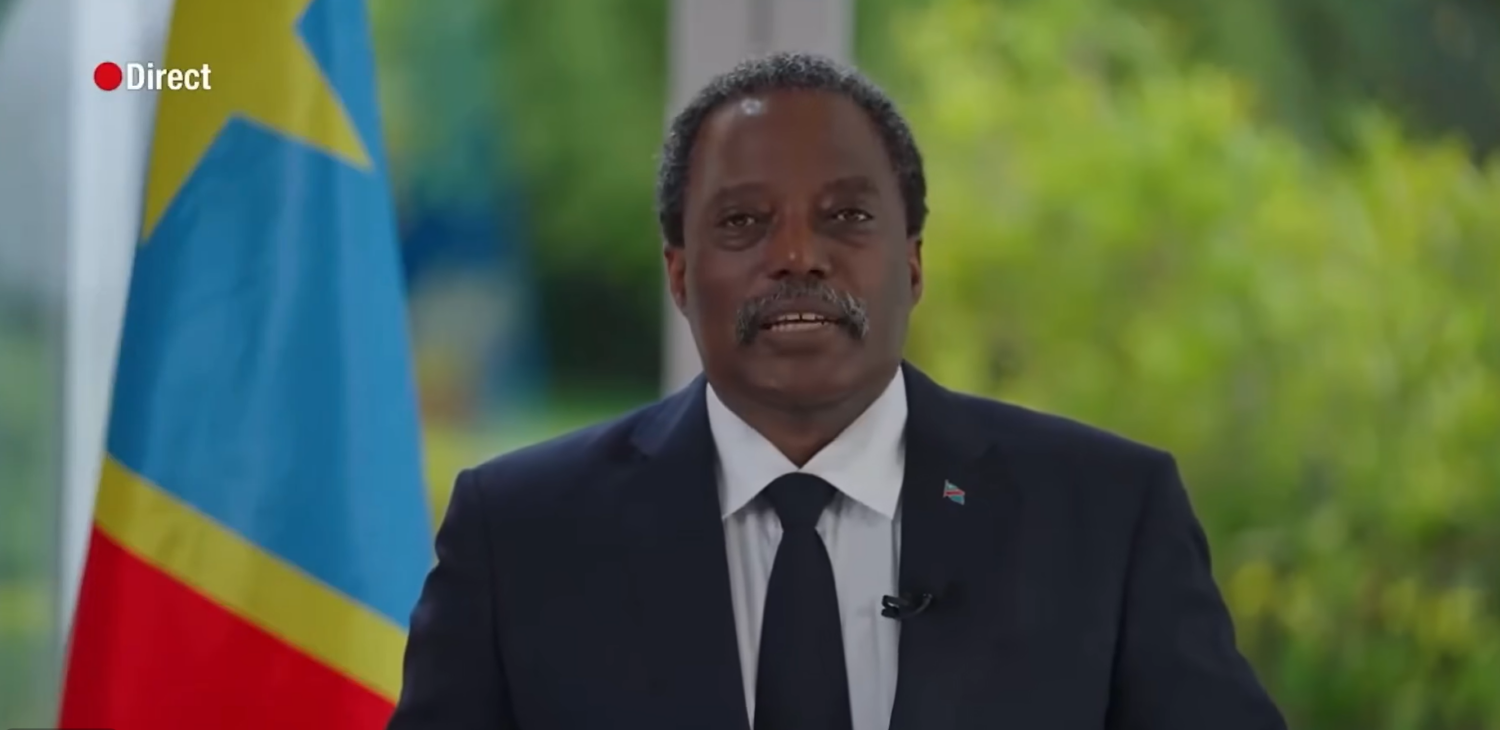
On October 12, 2026, Joseph Kabila — former president of the Democratic Republic of the Congo (DRC) from 2001 to 2019 — formally assumed leadership of the Front for the Refoundation of the Nation (FRN), sending shockwaves through the region. This new coalition brings together the M23 rebel group and the former Alliance Fleuve Congo, now serving as a political facade for a rebellion backed by Rwanda. The move marks a dramatic shift from Kabila’s earlier stance, signaling a high-stakes gamble to evade international sanctions on Rwandan proxies while pushing the DRC toward a full-blown civil war.
From rebellion architect to rebel leader: the Kabila legacy
Joseph Kabila did not arrive at this turning point by accident. His political DNA is steeped in rebellion. In 1996, his father, Laurent-Désiré Kabila, emerged from obscurity as leader of the Alliance of Democratic Forces for the Liberation of Congo (AFDL), a movement armed and sponsored by Rwanda’s President Paul Kagame to topple then-president Mobutu Sese Seko. After seizing power in Kinshasa in 1997, Laurent-Désiré Kabila quickly broke ties with his Rwandan backers, triggering a brutal shift that plunged the Congo into the Second Congo War — and ended with his assassination in 2001.
At just 29 years old, Joseph Kabila inherited a fractured nation and a perilous balance between Kinshasa’s control, eastern militias, and Rwandan expansionism. For nearly two decades, he navigated these treacherous waters — until now. By openly aligning with the very proxies he once fought, he is no longer just a former leader seeking influence, but the architect of a national rebellion aiming to unseat incumbent President Félix Tshisekedi.
The M23’s missing piece: legitimacy through a former president
The March 23 Movement (M23), once dismissed as a Tutsi militia advancing foreign interests, now finds itself cloaked in the legitimacy of a former head of state. Joseph Kabila brings not only a name, but a narrative: that of a leader who can unite opposition forces under a national banner, rather than a narrow ethnic agenda. This strategic maneuver transforms what was seen as a localized insurgency into a full-fledged campaign for regime change.
Analysts warn that this alliance is more than symbolic. By placing himself at the helm of the FRN, Kabila is positioning the rebellion as a credible political alternative — one that could rally not just former combatants, but disillusioned citizens across the DRC. The calculus is clear: if the M23 can be rebranded as a national liberation force, international criticism of Rwanda’s involvement may lose steam.
The DRC’s fragile giant and Rwanda’s predatory gambit
The DRC is a geographical colossus — over 2.3 million square kilometers — yet its eastern provinces, especially South Kivu and Ituri, remain dangerously exposed. These regions sit atop a treasure trove of strategic minerals: gold, coltan, cobalt, zinc, and manganese. Despite their vast potential, the area is plagued by chronic instability, enabling external actors to exploit its resources with little oversight.
Rwanda, though a tiny nation of just 26,338 square kilometers, has long been accused of using Congolese soil to extract and traffic mineral wealth — particularly coltan — despite lacking domestic deposits. The country’s security services and allied militias have carved out de facto control over mining zones, which are paradoxically well-guarded by armed groups while nearby villages suffer relentless violence.
This contradiction is no accident. It reflects a cynical system where global demand for minerals fuels a cycle of plunder, violence, and impunity. The presence of nearly 150 armed groups in the east — including jihadist factions like the ADF-Nalu — only deepens the chaos, making it easier for external interests to operate under the guise of conflict.
A humanitarian catastrophe fueled by power and profit
The human cost of this crisis cannot be overstated. For decades, eastern DRC has been labeled the most dangerous place on earth for civilians, particularly women and girls. Mass atrocities, sexual violence, and forced displacement have become routine. Yet, while the world condemns the violence, global supply chains continue to benefit from minerals smuggled out through informal networks linked to rebel leaders and foreign corporations.
By lending his name and political weight to the FRN, Joseph Kabila is not just endorsing a rebellion — he is escalating it. The risk is not just military escalation, but a full-scale humanitarian disaster that could displace millions, destabilize central Africa, and turn the DRC’s mineral wealth into a curse rather than a blessing.
With the Congo at a crossroads, Kabila’s gamble may well mark the beginning of a darker chapter — one where internal chaos becomes a vehicle for regional ambition, and civilians pay the ultimate price.