Morocco in Focus
Morocco’s cabinet shake-up: the king’s bold new lineup and its game-changing priorities
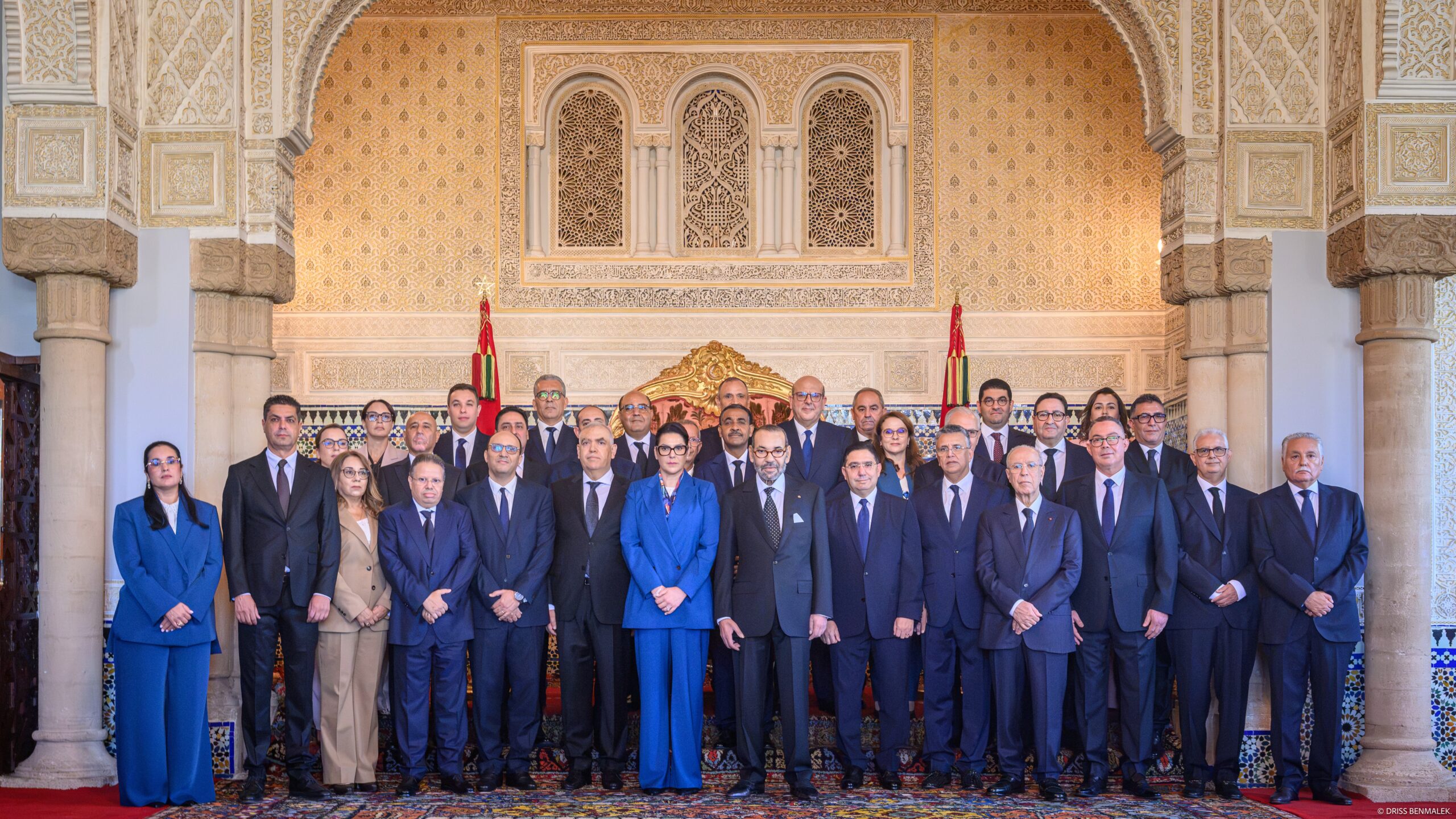
King Mohammed VI has rewritten Morocco’s political playbook. On October 16, 2026, the monarch presided over the official appointment of a fresh government lineup at the Royal Palace in Rabat. The ceremony marked a decisive break from past practices, with new ministers taking their oaths before the sovereign and later joining him for a historic group photograph.

A new era for Moroccan governance
The newly appointed government represents more than a routine cabinet reshuffle—it signals a strategic pivot in national priorities. With fresh faces at the helm, Morocco is positioning itself to tackle pressing economic challenges while capitalizing on emerging opportunities in renewable energy and digital transformation.
Key appointments and their implications
Among the standout figures in the new lineup is Fatima Ezzahra El Mansouri, whose appointment as Minister of Economy underscores a commitment to inclusive growth and structural reforms. Her leadership will be critical in steering Morocco through volatile regional markets and fostering innovation-driven industries.
- Renewable energy portfolio gains prominence: A dedicated ministry now oversees solar and wind initiatives, reflecting Morocco’s ambition to become a sub-Saharan Africa energy hub.
- Digital economy takes center stage: The newly formed Ministry of Digital Transformation aims to accelerate e-governance and expand broadband infrastructure.
- Social sector reforms prioritized: Health, education, and housing ministries have received fresh mandates to address longstanding disparities.
From stability to momentum: what changes for citizens?
For Moroccan households, the cabinet overhaul brings tangible shifts in daily life. The government has pledged to:
- Lower utility costs: Subsidies on electricity and water will be overhauled to reduce the burden on low-income families.
- Boost job creation: A National Youth Employment Initiative targets graduates with vocational training and public-private partnerships.
- Improve public services delivery: Digitalization efforts aim to cut red tape in licensing, permits, and social welfare distribution.
The road ahead: challenges and opportunities
While the new government’s agenda is ambitious, significant hurdles remain. Regional instability in neighboring nations continues to strain Morocco’s trade routes and security apparatus. Meanwhile, global economic headwinds—particularly in Europe—pose risks to export-driven sectors like automotive and phosphates.
Can this cabinet deliver? Early indicators suggest cautious optimism. The reshuffle has been widely praised for reflecting demographic diversity and technocratic expertise, a departure from previous patronage-based appointments. However, public skepticism lingers, with many demanding swift results in job creation and purchasing power recovery.
One thing is certain: King Mohammed VI’s choice of ministers signals a clear departure from the status quo. Whether this bold new lineup can translate vision into reality will define Morocco’s trajectory for the remainder of the decade.