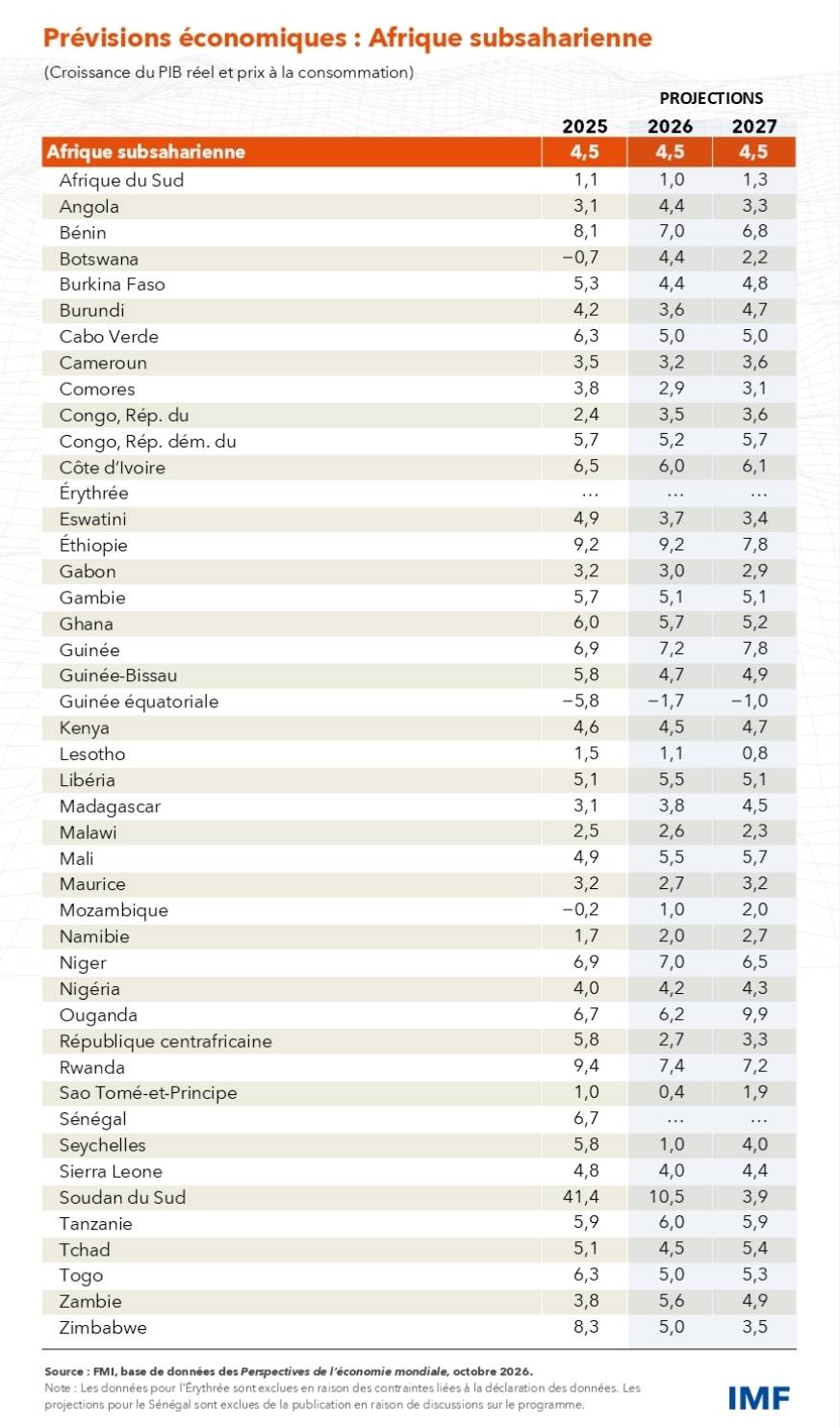
In an era where economic uncertainty grips much of Africa, Benin stands out with a projected growth rate of 7% by 2026 a figure that not only surpasses regional averages but also signals a decisive turning point for West African economies. According to the latest assessments, the country is on track to maintain robust economic expansion despite challenging global conditions, solidifying its reputation as a high-performing nation in Sub-Saharan Africa.
While the broader African landscape grapples with uneven recovery, Benin’s trajectory offers a compelling case study. The International Monetary Fund’s recent projections place the country firmly among the continent’s fastest-growing economies, with a real GDP growth forecast of 8.1% in 2025, followed by 7% in 2026 and 6.8% in 2027. These figures significantly outpace the regional average of 4.5% for Sub-Saharan Africa, underscoring a clear divergence in economic performance.
The Bénin breakthrough: how a West African nation defied regional trends
What sets Benin apart is not just its growth rate but the consistency of its performance. For three consecutive years, the country has maintained annual growth above 6%, a rarity in the region where many economies struggle to sustain even moderate expansion. This sustained momentum has earned Benin a place among the top three fastest-growing economies in Sub-Saharan Africa for 2026, a distinction shared by only one other West African nation.
The drivers behind this economic surge are multifaceted. A combination of strategic policy reforms, targeted investments in infrastructure, and a concerted push toward economic diversification has positioned Benin as a regional outlier. Unlike its neighbors, which often rely heavily on single sectors such as agriculture or extractives, Benin has broadened its economic base, fostering resilience and adaptability in the face of external shocks.
Policy consistency and private sector growth fuel the rise
Central to Benin’s economic success has been the continuity of its policy frameworks. Successive governments have prioritized macroeconomic stability, fiscal discipline, and an enabling environment for private enterprise. This approach has attracted foreign investment, bolstered local industries, and created a ripple effect across key sectors, including agribusiness, manufacturing, and digital services.
The government’s focus on industrialization and skills development has also played a pivotal role. By investing in vocational training and aligning educational curricula with market demands, Benin is nurturing a workforce capable of supporting its expanding economy. These efforts are complemented by initiatives to streamline business regulations, reduce red tape, and enhance access to financing for small and medium-sized enterprises (SMEs).
Beyond the numbers: the social impact of growth
While the macroeconomic indicators paint a promising picture, the true test of Benin’s progress lies in its ability to translate growth into tangible benefits for its citizens. High GDP growth alone does not guarantee improved living standards; it must be accompanied by inclusive policies that spread prosperity across all segments of society.
Key challenges remain. Job creation, wage growth, and poverty reduction must keep pace with economic expansion to ensure that the benefits of growth are widely shared. Youth unemployment, in particular, remains a critical concern, with young people making up a significant portion of the population. Addressing this issue requires targeted interventions, such as entrepreneurship programs and workforce training initiatives, to equip the next generation with the tools needed to thrive in a modern economy.
The government’s ongoing efforts to enhance public services, such as healthcare and education, are also essential. Improving the quality and accessibility of these services will not only improve quality of life but also contribute to long-term economic productivity by fostering a healthier, better-educated workforce.
A regional model or a cautionary tale?
Benin’s economic achievements have drawn attention from policymakers and investors across West Africa. The country’s ability to maintain high growth rates in a volatile economic climate offers valuable lessons for its neighbors, who may look to replicate its strategies. However, the path to sustained success is fraught with challenges, and Benin’s experience highlights the importance of adaptability and foresight in economic planning.
For other nations in the region, Benin serves as a reminder that rapid growth is achievable but not guaranteed. It requires a delicate balance of policy innovation, private sector engagement, and social inclusion. The risk of complacency is real without continuous reform and investment, even the most impressive growth trajectories can stall.
Looking ahead, Benin stands at a crossroads. Its recent economic performance has positioned it as a leader in West Africa, but the road to long-term prosperity is still long. The coming years will determine whether the country can consolidate its gains and transform its economic momentum into lasting, inclusive development.
For now, one thing is clear: Benin’s story is one of turning points and momentum, a testament to the power of deliberate economic transformation. Whether it becomes a blueprint for the region or a cautionary tale will depend on the choices made today and the vision guiding them tomorrow.
By Yacouba Boukari — Journalist