From gridlock to breakthrough: how Niger’s capital fights for its fuel lifeline
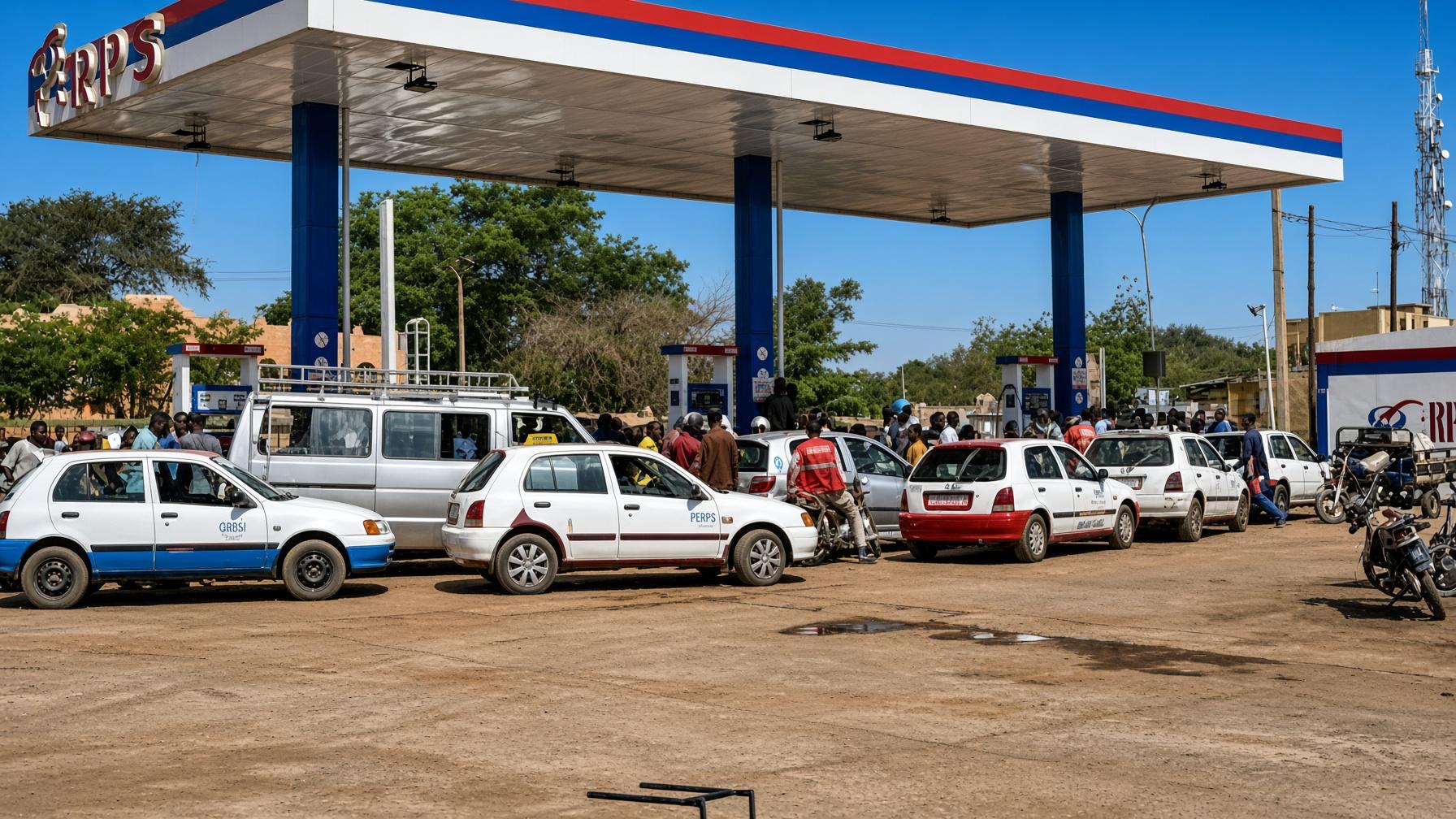
What began as whispers of an inconvenience has exploded into a full-blown energy emergency in Niamey. Long lines snake around nearly every licensed station, as drivers wait for hours only to learn pumps are dry. The government’s latest attempt to “guide” citizens toward functioning stations—releasing a list of outlets with fuel—backfired spectacularly, turning a handful of locations into flashpoints of chaos and desperation. This is no ordinary shortage. It is a turning point at which Niamey’s economy, mobility, and daily survival now hang in the balance.
Why the crisis in Niger demands immediate action
For a nation that proudly declared energy sovereignty, the reality is a stark contradiction. While authorities champion the Soraz refinery in Zinder, its output is woefully inadequate to meet national demand. Official data, only reluctantly released, reveal a staggering shortfall: 196.62 million litres of gasoline and 52.60 million litres of diesel went missing in the first eight months of 2026. This is not a passing hiccup—it is evidence of structural collapse in energy planning, ignored until the crisis became impossible to conceal.
The trigger for this emergency was predictable and avoidable. When Nigeria eliminated fuel subsidies, cross-border smuggling dried up overnight, immediately shifting pressure onto Niger’s already fragile official supply chain. Yet, instead of preparing contingency plans, the Ministry of Petroleum remained paralyzed. The Soraz plant, capable of refining 20,000 barrels per day but prioritizing diesel, is ill-equipped to address gasoline shortages. The result: Niamey must import fuel at soaring global prices, deepening an already unsustainable fiscal drain.
Broken systems: how rationing fuels chaos instead of solutions
In a desperate attempt to regain control, authorities have imposed token supply caps and publicized a map of “lucky” stations still receiving deliveries. But these measures are little more than symbolic damage control. Spreading limited fuel across wide areas does not solve scarcity—it scatters it, creating new bottlenecks and prolonging agony for drivers and businesses alike. Every day wasted in uncertain queues drains productivity. Commuters miss work. Farmers miss markets. Small traders see their margins evaporate as transport costs spiral beyond reason.
What compounds the disaster is the opacity surrounding stock levels, delivery schedules, and import logistics. Citizens demand accountability, yet the government offers only silence—fueling rumors of mismanagement and theft. When questioned, the Minister of Petroleum dismisses fraud allegations without evidence, offering no reassurance, no transparency, and no path forward. In the absence of credible leadership, fear and speculation fill the void, driving more people toward the black market in search of a lifeline.
Black market rise: the cost of state failure
The vacuum created by official incompetence has given birth to a dangerous parallel economy. Informal vendors, operating with zero oversight, hawk adulterated fuel at exorbitant prices. Motorbike taxi drivers, central to Niamey’s transport ecosystem, find themselves trapped in cycles of debt, forced to pay inflated rates to keep their vehicles running. Households, too, bear the brunt: long waits, missed income, and the looming threat of sudden price surges in staple goods.
This is not just an economic slowdown—it is a humanitarian strain. If the crisis persists, the relentless rise in transport costs will ripple through the entire economy, pushing inflation beyond control and eroding purchasing power for millions. The black market does not deliver energy; it exploits desperation. It does not ensure mobility; it deepens inequality. Most tragically, it underscores the state’s failure to fulfill its most basic duty: guaranteeing energy access so people can live, work, and thrive.
A call for decisive policy, not patchwork responses
Niamey stands at a crossroads. The current approach—rationing, public lists, and silence—reveals a leadership out of its depth. A real solution demands a shift in strategy: scaling up refining capacity, securing stable import channels, and restoring trust through transparency. Until then, the citizens of Niamey will continue to pay the price—not just at the pump, but in lost time, lost income, and lost hope. The moment for action is now. The cost of inaction is unaffordable.