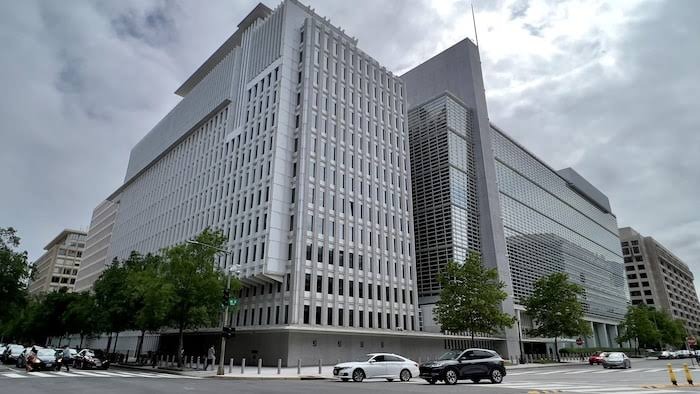
As West African nations navigate volatile global markets, Benin has emerged as a standout performer, prompting both applause and scrutiny over its economic trajectory. With the latest projections from international financial institutions showing sustained momentum through 2027, the debate over whether the country can cement its role as a regional growth engine has intensified.
What the projections reveal for the coming years
The World Bank’s latest forecasts confirm Benin’s resilience, with growth rates holding steady above 7.7 % through 2027—a figure that outpaces regional averages. After an estimated 8.1 % expansion in 2025 and 7.8 % in 2026, analysts are now turning their attention to the factors sustaining this momentum.
The country’s economic rebound is rooted in deliberate policy choices: heavy infrastructure investments, streamlined port logistics, and agricultural modernization have collectively reduced bottlenecks that once constrained productivity. Meanwhile, efforts to improve the business climate continue to draw foreign capital, creating a ripple effect across sectors.
Inflation and poverty: a balancing act for policymakers
The stability of key economic indicators has become a cornerstone of the public discourse. Benin’s inflation rate, forecasted to peak at just 1.6 % in 2027 after a low of 0.5 % the previous year, remains well below the 3 % ceiling set by the West African Economic and Monetary Union (WAEMU). This controlled price growth shields household purchasing power, a critical concern amid global inflationary pressures.
On the social front, the projections signal gradual progress in poverty reduction. By 2027, the poverty rate is expected to decline to 22.3 %, down from 31 % in 2024—a shift attributed to job-creating initiatives and targeted inclusive growth policies. Yet economists caution that sustaining this trajectory requires continuous monitoring of distributional impacts across urban and rural communities.
Reactions: optimism with a cautious undertone
Stakeholders across sectors are weighing in on what these projections mean for the nation’s future. Business leaders highlight the improved macroeconomic stability as a magnet for investment, while development partners emphasize the need to translate growth into equitable opportunities.
Critics, however, point to persistent challenges: infrastructure gaps persist in rural areas, and job creation hasn’t matched the pace of GDP expansion. The debate now centers on whether Benin’s model—focused on efficiency and global competitiveness—can deliver inclusive prosperity without leaving segments of the population behind.
What comes next for Benin’s economy?
The coming years will be pivotal in determining whether Benin can leverage its current advantages into long-term structural transformation. Key questions dominate discussions:
- Investment diversification: Can the country reduce its reliance on traditional sectors and foster high-value industries?
- Human capital development: Will education and vocational training reforms align with labor market demands?
- Regional integration: How will Benin’s growth ambitions influence trade dynamics within WAEMU?
As policymakers draft strategies to sustain this economic upswing, one thing is clear: Benin’s trajectory will not only shape its own future but also serve as a case study for neighboring nations seeking to balance growth with equity in an unpredictable global economy.