The fall of Kidal: a turning point for Mali’s insurgents
In a pivotal shift for the Sahel’s security landscape, insurgent factions in Mali have begun seeking out fresh alliances far beyond their borders. The collapse of their last major stronghold in Kidal marked a decisive moment—one that has forced the Front de Libération de l’Azawad (FLA) to reassess its strategic options. With no credible backup from regional allies and dwindling domestic support, the group has now ventured into uncharted diplomatic territory, reaching out to influential actors in both Libya and the United Arab Emirates (UAE) in a bid to regain momentum.
The loss of Kidal on October 6, 2026, was not the result of a military defeat but a calculated retreat. The FLA abandoned the city without a fight, framing its withdrawal as a tactical move to safeguard personnel and equipment. Yet, the significance of this departure goes beyond symbolism: it shattered the rebel movement’s myth of invincibility and severed its control over a key supply route that once linked northern Mali to northern Africa. Now, with their traditional safe haven gone, the insurgents face a stark choice—fade into irrelevance or pursue high-stakes international support.
Benghazi’s Haftar offers a lifeline to Kidal’s displaced rebels
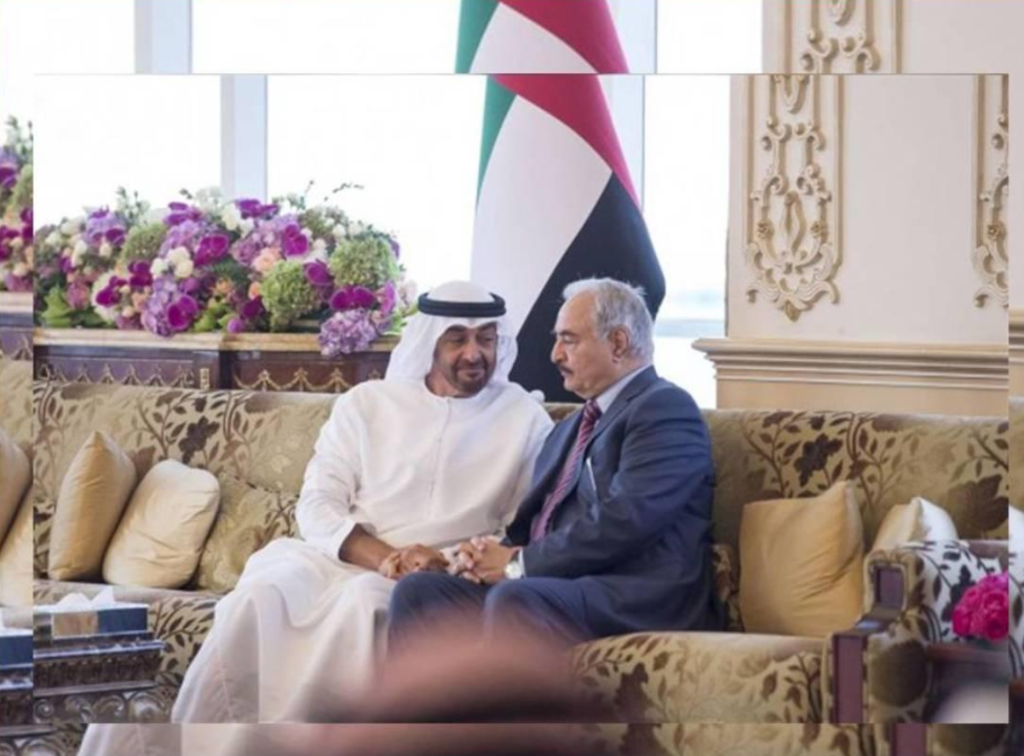
The FLA’s outreach to eastern Libya has been swift and deliberate. A high-level delegation traveled to Benghazi, where they engaged directly with military leaders under the command of Field Marshal Khalifa Haftar. According to well-informed sources, the talks centered on potential logistical aid and tactical cooperation, though no concrete arms shipments have been confirmed. Still, the mere act of negotiation signals a willingness among Mali’s insurgents to break free from their previous isolation and explore unconventional alliances.
The appeal of Libya lies in its geographic proximity and the porous nature of the Sahara’s boundaries. Eastern Libya, already a hub for regional militias and transnational trafficking networks, presents itself as an ideal rear base for rebel operations. The son of Marshal Haftar, Saddam Haftar, is believed to have played a key role in these discussions, raising questions about whether the Haftar-led faction could eventually become a critical player in Mali’s conflict. For now, the focus remains on building informal pipelines for weapons, funds, and fighters—rather than formal military pacts.
UAE’s expanding footprint raises regional tensions
While the Libyan detour represents a short-term tactical move, the FLA’s pursuit of UAE backing carries far greater geopolitical weight. The United Arab Emirates has spent years cultivating influence across the Sahel and Horn of Africa, using a mix of financial incentives, military training, and private security partnerships. But any direct support for Mali’s insurgents would not only violate international norms—it would also provoke a sharp reaction from Algeria, Mali’s northern neighbor and historical power broker.
Algeria views the UAE’s advancing role in the Sahel as a direct challenge to its own regional dominance. Algiers has long considered the Sahara as its exclusive sphere of influence and has actively blocked external interference in Malian affairs. The UAE’s growing footprint, particularly if it extends to backing armed groups in northern Mali, threatens to destabilize Algeria’s southern flank—a red line for Algerian policymakers. The two countries have already seen their diplomatic relations deteriorate sharply over competing visions for the Maghreb and broader Sahel, making any Emirati move in Mali a potential flashpoint.
Algeria counters by deepening Sahel ties
Faced with the dual threat of insurgent revival and foreign interference, Algeria has launched an aggressive diplomatic counteroffensive. Recognizing that the fall of Kidal exposed the fragility of Mali’s transitional government, Algiers has doubled down on its engagements with Bamako, prioritizing border security, counter-trafficking measures, and cross-border development initiatives. These efforts aim to re-establish Algerian influence over a region it once dominated, preventing rival powers like the UAE or Turkey from filling the vacuum.
The rapprochement isn’t limited to Mali. Algeria has also intensified its cooperation with Niger, reinforcing bilateral dialogues on security and economic resilience. By shoring up alliances with Niamey, Algiers hopes to create a stabilizing corridor across the Sahel, one that can resist the pull of external patrons. This renewed partnership includes joint military exercises, intelligence-sharing platforms, and infrastructure projects designed to reduce dependence on Western security partners.
The domino effect: geopolitical stakes in a fractured Sahel
The realignment playing out in the Sahel is about more than just Mali’s insurgents—it reflects a broader struggle for control over Africa’s fragile southern flank. The FLA’s pivot toward Libya and the UAE is a last-ditch effort to survive; Algeria’s regional resurgence is an attempt to reclaim lost authority. Should the UAE succeed in providing clandestine support, it could trigger a domino effect, emboldening other insurgent factions across West Africa to seek foreign backing. Conversely, Algeria’s ability to consolidate its alliances may force these groups into even deeper clandestinity—or out of the fight entirely.
What remains clear is that the Sahara’s desert routes have once again become lines on a strategic map. Whoever controls them—whether through arms, money, or political influence—holds a decisive advantage in reshaping the Sahel’s future. The next phase of this shadow war will unfold not in the deserts of Mali, but in the backrooms of Tripoli and Abu Dhabi, where deals are made and loyalties are bought.