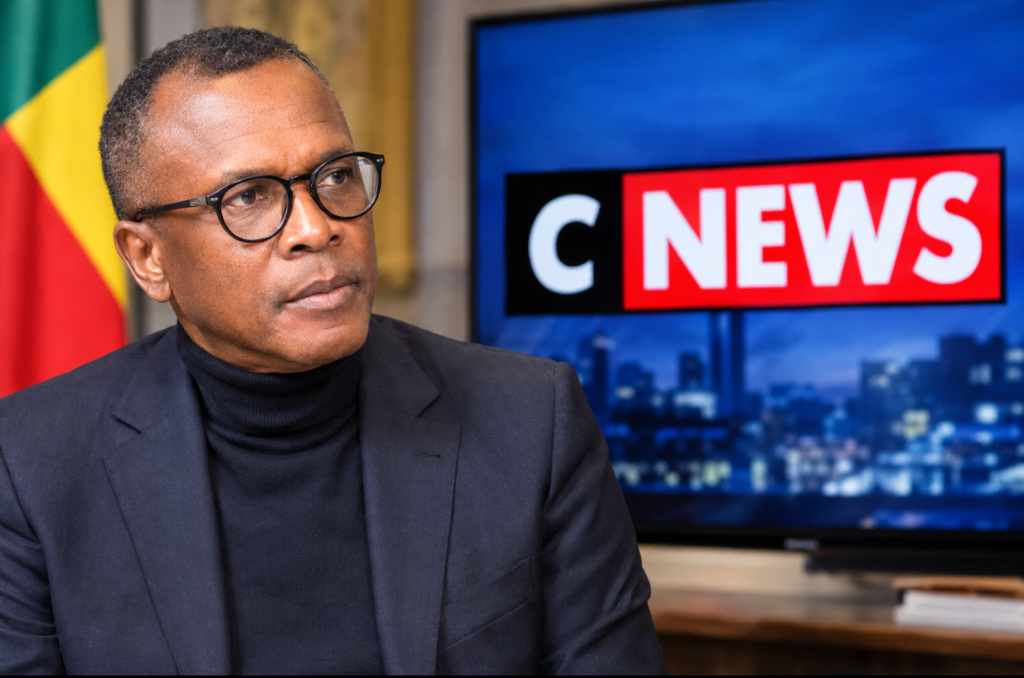
The abrupt halt to Umaro Sissoco Embaló’s planned return to Guinea-Bissau has intensified a high-stakes standoff ahead of the December 6 presidential election. Military authorities in Bissau, citing security concerns, have blocked the former president’s entry—even as his bid to reclaim office gains momentum. Meanwhile, a sweeping disarmament campaign in the capital has uncovered hidden caches of weapons, fueling speculation that the crackdown is as much about political control as public safety.
Military crackdown escalates with surprise weapon raids in Bissau
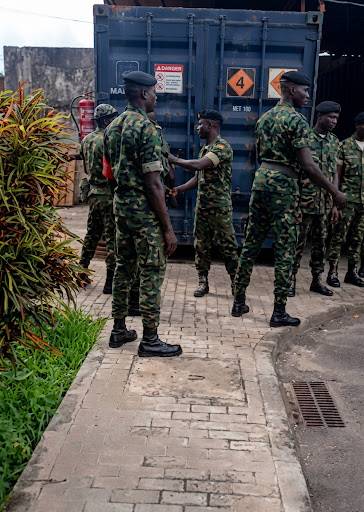
Security forces have conducted sweeping inspections in Bissau, targeting arms caches hidden in shipping containers and private residences. The operation, described as a bid to curb instability before the vote, has uncovered weapons reportedly linked to networks tied to Embaló, whose administration was overthrown in a November 2025 coup. Though authorities have not disclosed detailed evidence, the claim has deepened tensions as the presidential race heats up.
The military’s stated goal is to dismantle unauthorized armed groups and reclaim weapons circulating outside official channels—a persistent challenge in a country where the armed forces have long wielded outsized influence over politics. Yet critics warn the operation could be exploited to suppress dissent rather than address genuine threats.
Embaló’s barred return: a candidacy in limbo
Embaló, currently in exile in Morocco, insists he will run for president despite the military’s ban on his entry. In late September, he declared his candidacy, vowing to challenge the transitional authorities. His originally scheduled return on October 4 was blocked, with the junta citing “insufficient security guarantees” and a need to preserve public order.
The standoff raises a critical question: Can the military legitimately prevent Embaló from contesting the election without facing accusations of electoral interference? While authorities have not formally disqualified his candidacy, his enforced absence from the campaign trail hampers his ability to mobilize support—a situation that threatens to undermine the integrity of the vote.
Election integrity under scrutiny as constitutional tensions rise
The military’s decision to suspend Embaló’s return coincides with growing unease over Guinea-Bissau’s political transition. August’s disputed constitutional referendum—which handed the president sweeping new powers—has drawn sharp criticism from opposition groups and civil society, who argue it entrenches military dominance. With the December vote approaching, the country’s path to civilian rule hangs in the balance.
The junta has vowed to hold elections and restore civilian governance, but Embaló’s candidacy complicates the narrative. Observers question whether the disarmament campaign is part of a broader strategy to neutralize political rivals or a genuine security measure. The answer may define Guinea-Bissau’s democratic prospects—or deepen its cycle of instability.
What’s next for Guinea-Bissau’s political crossroads
- Transparency demands: Calls are growing for the military to substantiate its claims about Embaló-linked arms caches and justify the exclusion of a presidential hopeful. Independent verification of the disarmament operation could clarify whether it is politically motivated.
- International watch: The international community has signaled concerns over Guinea-Bissau’s electoral process, urging adherence to constitutional norms and fair participation for all candidates. Pressure may intensify as the vote nears.
- Campaigning in limbo: With Embaló barred from entering, supporters and rivals alike face an uneven playing field. The junta’s next moves—whether easing restrictions or doubling down on deterrence—will shape perceptions of the election’s legitimacy.
As security forces continue their searches, the real battle may lie not in the containers and homes they raid—but in the courtroom, the ballot box, and whether Guinea-Bissau’s transition to democracy survives the fallout.