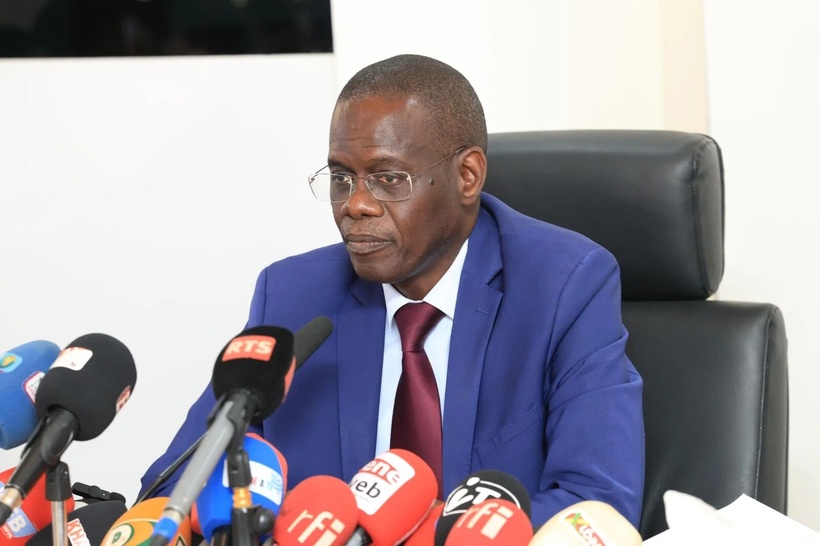
The government of Senegal and the International Monetary Fund (IMF) have finalized a staff-level agreement for a 36-month program under the Extended Credit Facility (ECF). Valued at nearly $2.2 billion (about 1,229 billion FCFA), this financial support aims to restore the country’s fiscal sustainability while fostering private sector growth.
A fresh financial lifeline is set to bolster Senegal’s public coffers. The IMF and Dakar authorities have agreed on a technical framework to reinforce the nation’s economic trajectory from 2026 to 2029.
Economic resilience despite financial constraints
The program arrives at a critical juncture, with macroeconomic indicators reflecting the country’s economic resilience:
- A 6.7% growth in 2025, driven by the expansion of oil production.
- A non-oil GDP rebound of 4.7% in the first quarter of 2026, fueled by household consumption.
- Inflation held steady at 1.4%, safeguarding household purchasing power.
Key priorities for sustainable economic recovery
The three-year initiative focuses on three critical pillars to ensure long-term stability and inclusive growth:
- Boosting domestic revenue to minimize reliance on external borrowing.
- Enhancing governance and fiscal transparency to build public trust and efficiency.
- Protecting social safety nets to shield vulnerable populations from economic adjustments.
Final approval and fund disbursement hinge on the IMF’s Executive Board endorsement, the implementation of corrective measures, and securing financing assurances from Senegal’s international partners.