
Dakar has reached a landmark agreement with the International Monetary Fund, unlocking a financial lifeline of $2.2 billion. This funding, approved after intense negotiations, positions Senegal as a key player in West Africa’s economic stability efforts.
The arrangement comes as Senegal commits to a comprehensive debt restructuring plan. Under this framework, government officials will renegotiate terms with creditors to ease fiscal pressure and secure long-term sustainability.
What the $2.2 billion IMF package means for Senegal
The newly approved IMF program provides immediate liquidity to support critical sectors. Funds will be directed toward infrastructure development, social programs, and economic reforms aimed at boosting investor confidence.
Key allocations include:
- Boosting public investment in renewable energy projects
- Expanding access to healthcare and education across regions
- Strengthening financial governance and transparency measures
This financial injection follows months of economic headwinds, including rising debt servicing costs and inflationary pressures. The IMF’s endorsement validates Senegal’s reform agenda and signals renewed confidence from international partners.
Debt restructuring: a balancing act
Senegal’s decision to restructure its debt reflects a strategic pivot toward fiscal responsibility. The process involves extending repayment periods and negotiating lower interest rates with both bilateral and commercial creditors.
Government negotiators are prioritizing agreements that minimize disruption to essential services while ensuring debt sustainability. The IMF’s involvement has accelerated these talks, providing technical expertise and credibility.
Analysts highlight that successful restructuring could reduce debt-to-GDP ratios and free up resources for development priorities. However, the road ahead requires careful execution to avoid market volatility or credit rating downgrades.
Next steps for Dakar’s economic recovery
With the IMF funding secured, Senegal is poised to implement structural reforms outlined in the program. This includes modernizing tax administration, enhancing the business climate, and deepening regional trade integration.
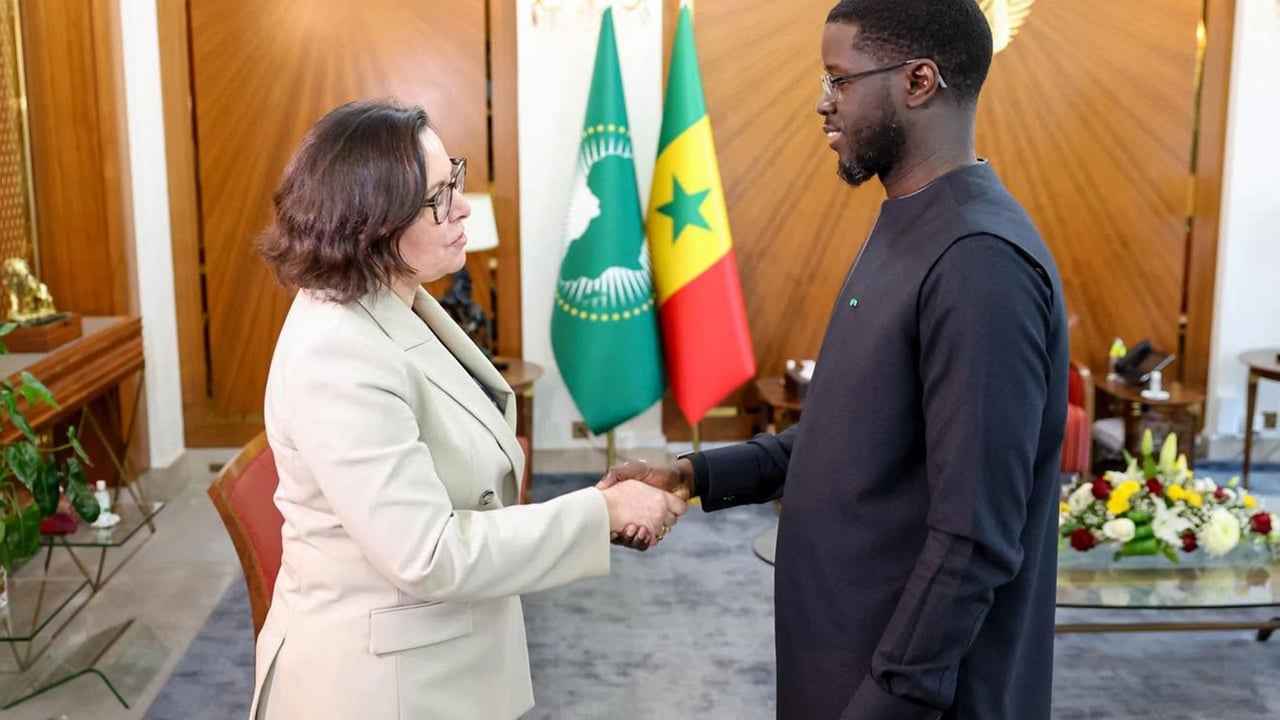
President Bassirou Diomaye Faye’s administration has emphasized the need for inclusive growth, ensuring benefits reach vulnerable communities. The government is also accelerating ongoing projects in agriculture and digital transformation to diversify the economy.
The IMF’s approval serves as both a validation of current policies and a roadmap for future challenges. Observers will closely monitor progress on fiscal targets and reform milestones in the coming quarters.