- Politics
Sonko’s sharp critique of Senegal’s IMF deal stirs debate
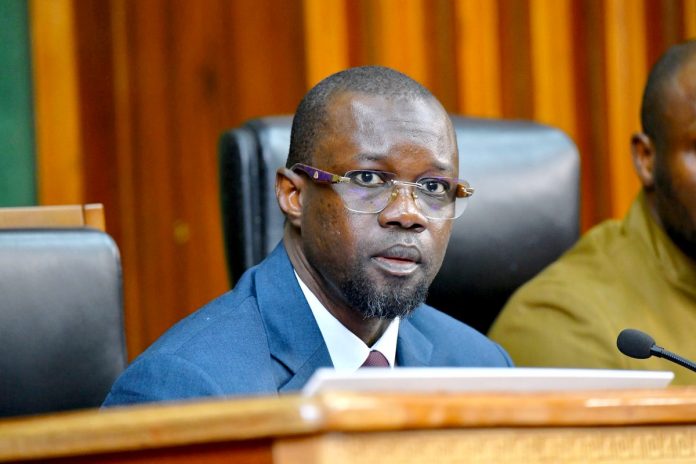
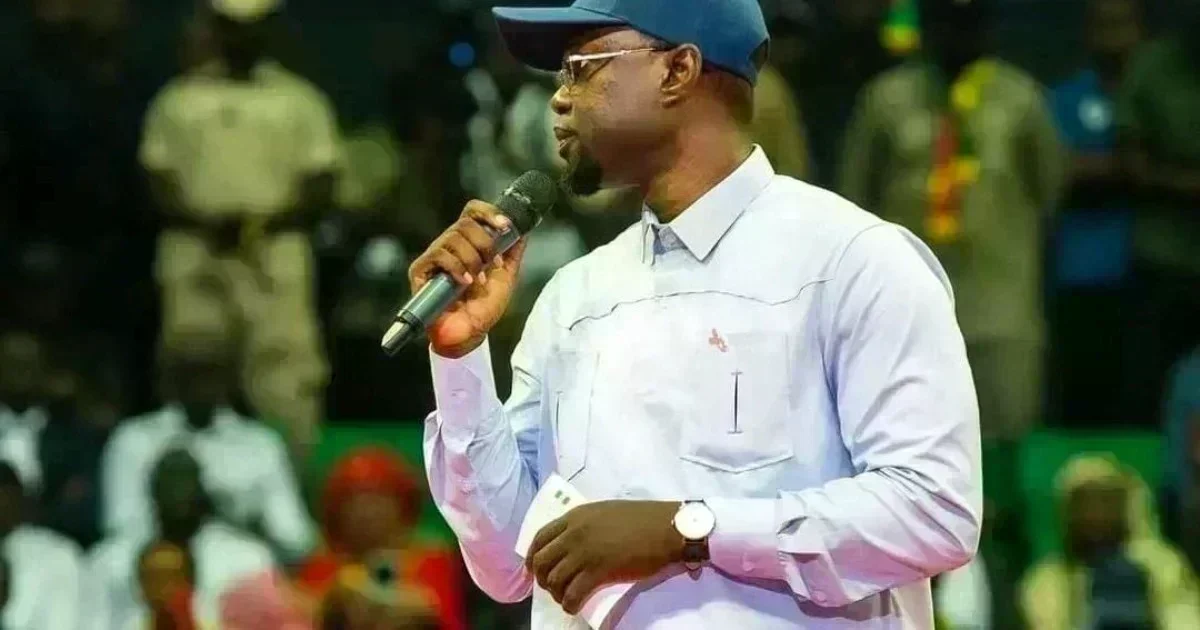
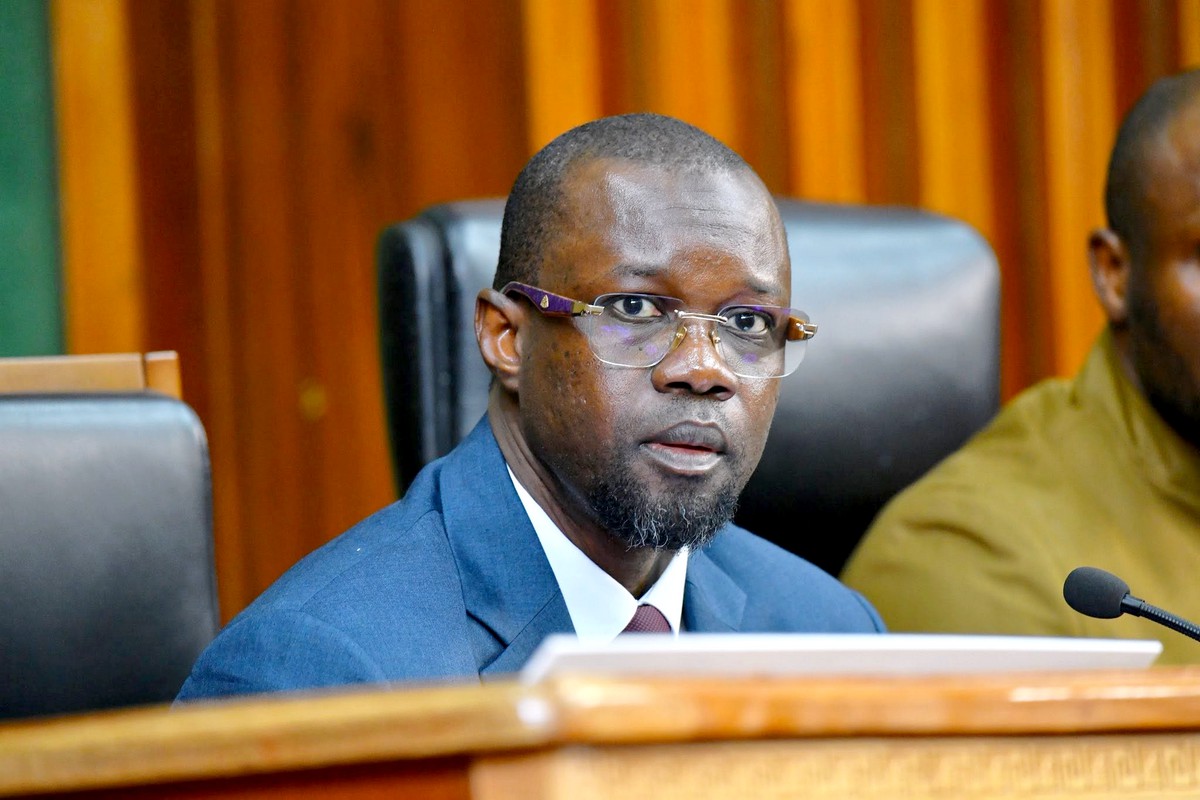
Ousmane Sonko, former Prime Minister and current President of Senegal’s National Assembly, has weighed in on the latest developments surrounding the country’s agreement with the International Monetary Fund (IMF). In a statement shared on his official Facebook page, he emphasized that the agreement will undergo rigorous scrutiny to assess its implications for Senegal.
The announcement comes after the IMF and Senegal finalized a new financial arrangement worth over $2 billion—equivalent to approximately 1,245 billion CFA francs—to support Dakar’s economic initiatives. Sonko, who previously exposed hidden debt issues that led to the suspension of Senegal’s IMF program in 2024, has renewed his scrutiny of the agreement’s terms.
In his remarks, Sonko noted, “We have observed the sequential statements from both the IMF and the Senegalese government regarding a technical agreement, which remains conditional upon future approval by the IMF’s executive board.”
Yet, despite these formal communications, critical details remain undisclosed. Sonko highlighted key unanswered questions:
- Debt treatment: What commitments has Senegal made regarding its debt obligations?
- Economic reforms: What structural adjustments are planned, such as fiscal sustainability, protection of vulnerable households, domestic resource mobilization, expenditure rationalization, social safety nets, public enterprise oversight, and business environment improvements?
- Debt audits: Will international debt audits, previously demanded, be conducted?
Sonko stressed that these commitments directly impact all Senegalese citizens, who will bear both the immediate and long-term consequences of such policies. He raised concerns about the lack of transparency in the negotiation process, stating that the diplomatic language used by both sides has failed to clarify the agreement’s specifics.
Having participated in lengthy discussions behind closed doors, Sonko warned that the proposed framework risks repeating past mistakes. He called for absolute transparency, demanding that the government release the full Memorandum of Economic and Financial Policies—a document outlining the terms of the agreement.
Sonko urged the government to either publish the memorandum for public scrutiny or submit it to the National Assembly, the country’s elected representatives. He emphasized that the core provisions of this agreement would likely shape the upcoming 2027 budget law or any supplementary finance bill scheduled for parliamentary review in October 2026.
“The debate will proceed,” Sonko declared, signaling his determination to ensure accountability and public participation in the decision-making process.