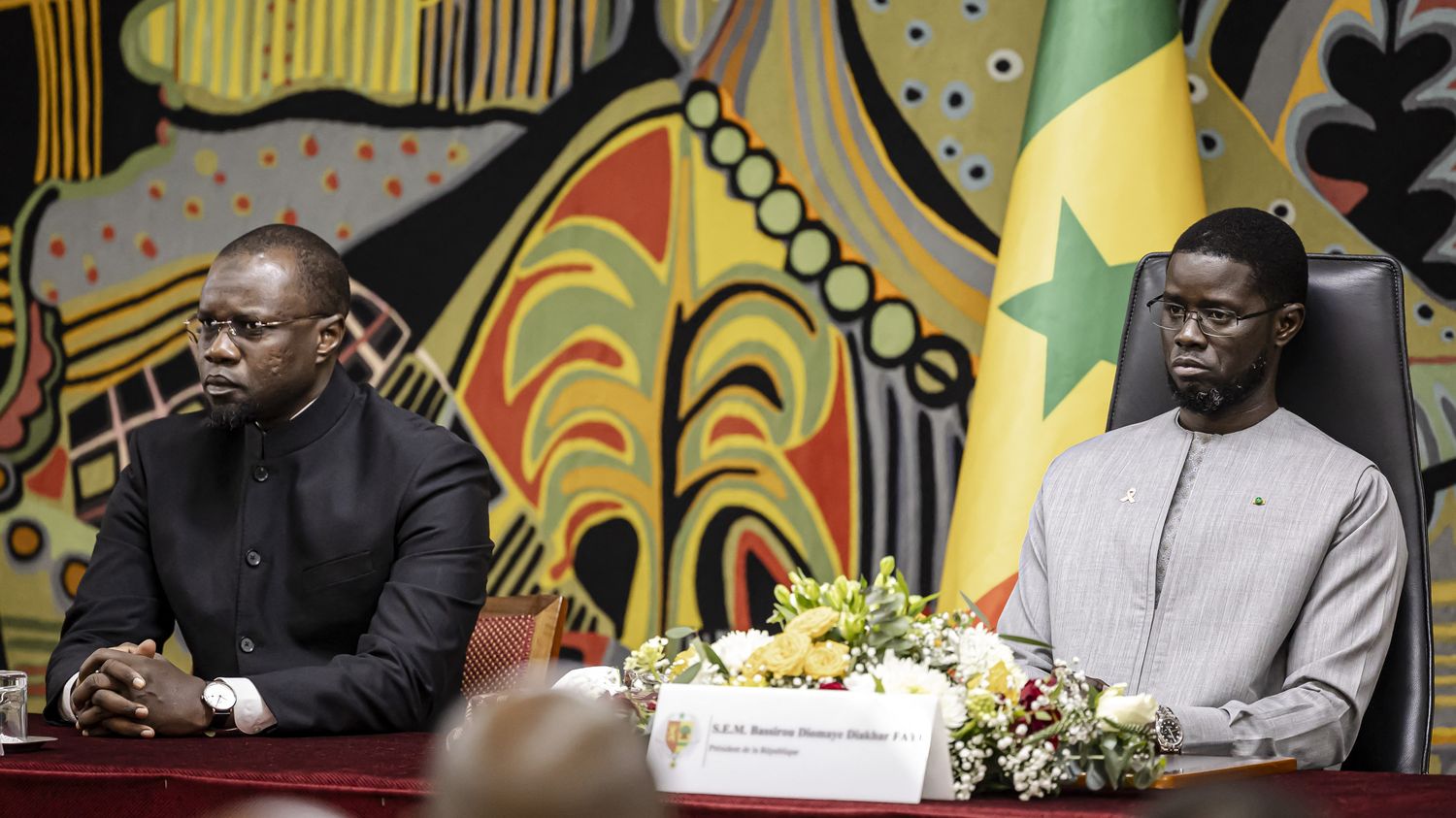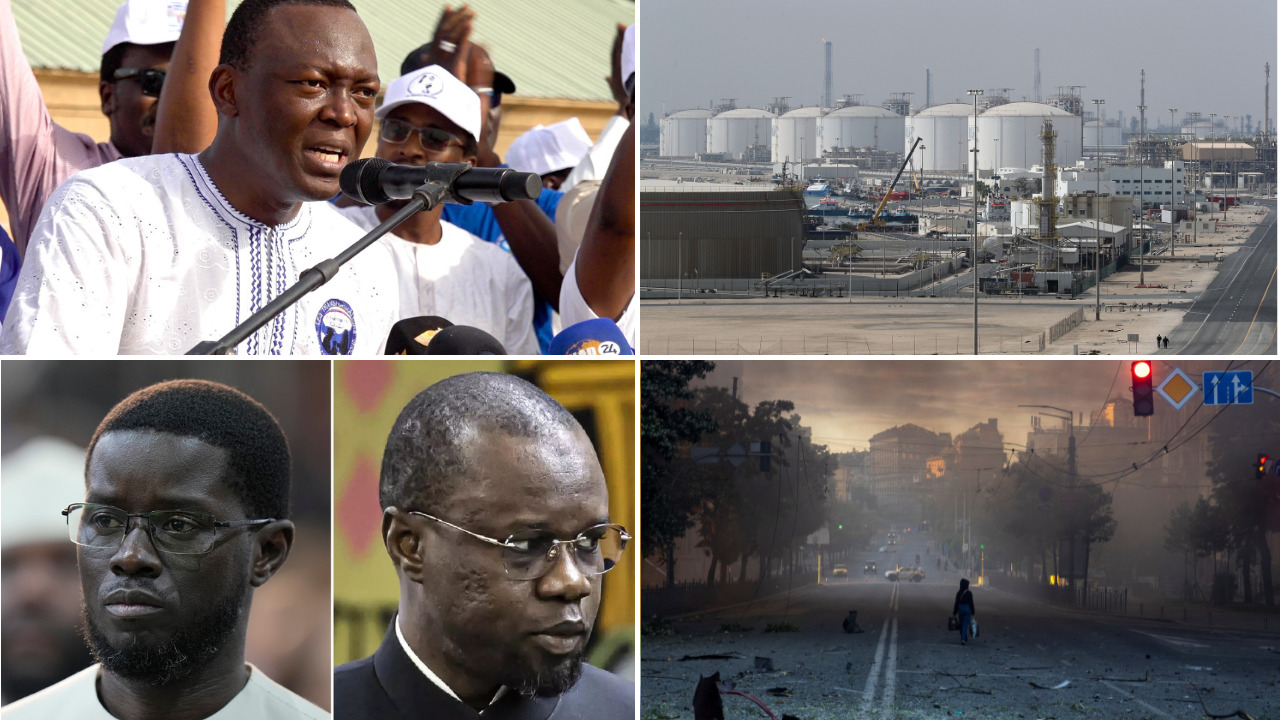
The recent political upheaval in Senegal has left many wondering about the consequences of President Bassirou Diomaye Faye’s decision to remove Ousmane Sonko from office. With the Pastef party, led by the former Prime Minister, holding a dominant majority in the National Assembly, the president faces a challenging new political landscape. The question remains: will this power split strengthen Bassirou Diomaye Faye or embolden Ousmane Sonko?
Senegal’s political rupture: a test of power dynamics
After months of escalating tensions within Senegal’s executive branch, President Bassirou Diomaye Faye made a decisive move by dismissing Ousmane Sonko from his post. The Pastef party, now without its former leader at the helm, still commands a significant presence in the National Assembly. This forces the president to navigate a political terrain reshaped by Sonko’s influence. The key question now is who emerges from this rupture with greater political leverage.
Sonko’s legacy and the Pastef party’s future
Ousmane Sonko, once a formidable figure in Senegalese politics, remains a pivotal force even after his removal. His party’s majority in the Assembly means any decisions made by the president will need careful consideration of Sonko’s potential political comeback. Will Sonko’s supporters rally behind him, or will the party fracture under the strain of internal divisions?
Faye’s challenge: governing with a divided mandate
President Bassirou Diomaye Faye now faces the daunting task of governing with a party that, while not directly led by Sonko, still owes much of its influence to his legacy. The president’s ability to implement policies will depend on his skill in balancing the expectations of Sonko’s allies with the broader goals of his administration.
As Senegal navigates this critical juncture, the political world watches closely to see whether this rupture will lead to a stronger, more unified leadership—or whether it will deepen divisions within the country’s political landscape.