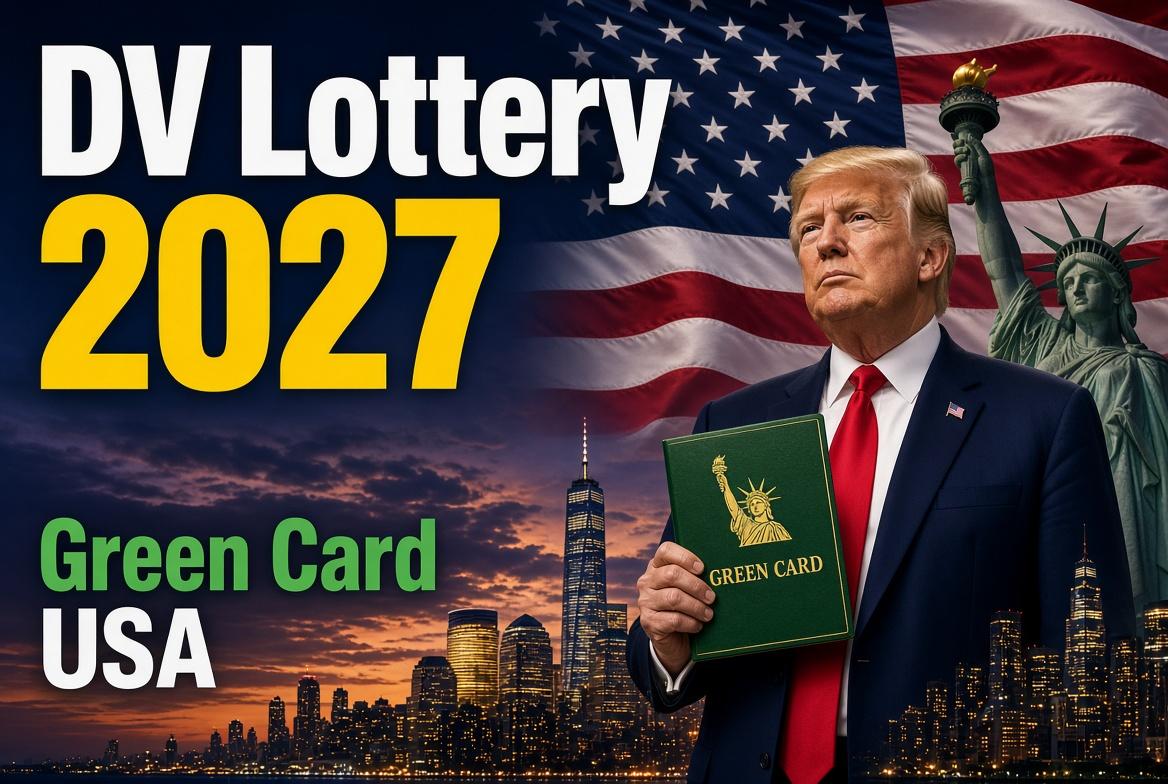
Federal ruling sparks urgent shift in US green card lottery timeline
A landmark court decision has forced a major reset in the US green card lottery (DV-2027) program, compelling authorities to launch registrations months ahead of schedule. The ruling, handed down by Judge Jinsook Ohta of the US District Court for the Southern District of California, mandates that the Department of State open the DV-2027 diversity visa lottery by November 1, 2026, setting in motion a tightly controlled timeline that leaves little room for further delays.
Court intervention breaks impasse over DV-2027 scheduling
On October 14, 2026, Judge Ohta issued a preliminary injunction requiring the Department of State—under the leadership of Marco Rubio—to finalize and announce the DV-2027 lottery schedule by October 29, with registrations to begin no later than November 1. The 30-day application window and selection results disclosure by December 3 are now legally binding, closing a prolonged period of uncertainty that had left thousands of hopeful applicants in limbo.
The urgency stems from a lawsuit filed by Red Eagle Law in August 2026, which argued that the absence of a published schedule endangered the viability of the DV-2027 program. While the government initially resisted, citing budget cycle complications, the court ultimately sided with advocates for transparency, affirming that the lottery must proceed despite administrative hurdles.
New requirements and lifting the veil on visa eligibility
In late 2025, the Department of State announced sweeping changes to the DV-2027 application process, including stricter document requirements and a one-dollar registration fee. Applicants will now need to submit a valid, unexpired passport, along with a copy of the biographic and signature pages—unless an exemption applies. These updates, though contentious, are now set against a non-negotiable schedule that demands immediate attention from prospective participants.
What the 55,000-visa program really means for applicants
The diversity visa program, commonly known as the Green Card Lottery, offers up to 55,000 immigrant visas annually to individuals from countries historically underrepresented in US immigration flows. However, selection—though a critical first step—does not equate to visa issuance. Even selected candidates must meet all eligibility criteria, pass rigorous administrative and consular reviews, and clear heightened security checks, which have led to temporary suspension of some visa issuances pending further evaluation.
Navigating the high-stakes registration window
With the November 1 deadline looming, applicants are urged to proceed with caution. Official announcements from the Department of State remain the only authoritative source for accurate information. Beware of unverified claims, paid services promising guaranteed selection, or third-party intermediaries claiming to expedite the process—these are red flags in a system where personal responsibility and due diligence are paramount.
The official application portal will open during the designated 30-day period. No external entity can influence selection outcomes or secure a visa through unauthorized channels. Candidates are strongly advised to prepare all required documents, including a valid passport, well in advance to avoid last-minute complications.
Why November 1 matters: turning uncertainty into action
For years, the green card lottery has been shrouded in ambiguity, with shifting timelines and opaque communication. This court-ordered acceleration transforms the landscape, forcing clarity and urgency. The October 29 announcement of official dates will allow millions of hopefuls worldwide to distinguish verified information from online rumors and begin their applications with confidence.
The November 1 launch is not merely procedural—it represents a turning point. While the decision resolves the timing dilemma, it also underscores the precarious nature of the selection process. Participation alone does not guarantee success; only those who meet every legal and administrative requirement stand a chance at securing permanent residency in the United States.