Government report confirms 518 deaths amid widespread criticism
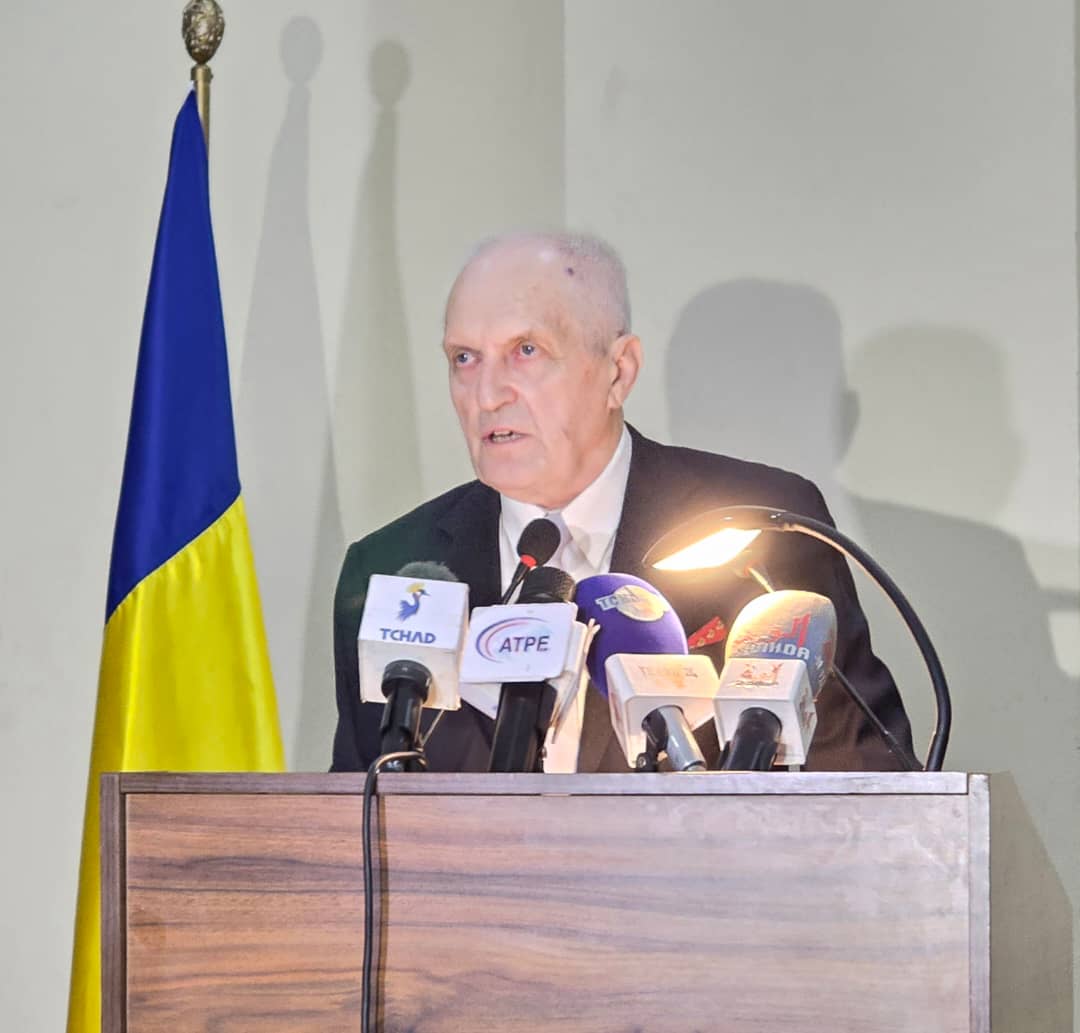
Six months after the presidential election held on October 29, 2025, Tanzania’s state-appointed inquiry commission broke its silence in Dar es Salaam on April 23. The long-awaited report, which tallies 518 fatalities, attempts to bring closure to months of unrest but has instead intensified scrutiny from opposition groups and rights organizations, who dismiss the findings as a deliberate undercount.
A contested narrative unfolds
The government-backed commission delivered its findings on the violent unrest that gripped the nation late last year. While the report acknowledges 518 deaths resulting from clashes between protesters and security forces, as well as inter-community violence, it attributes the majority of casualties to uncontrolled outbursts during unauthorized demonstrations. The document also implicates influential voices in stoking further tensions.
Deep divides over fatality figures
The official death toll of 518, though grim, has failed to quell skepticism. Critics argue the real figure is far higher and point to glaring omissions in the report.
- Opposition leaders allege the government’s count is a gross underestimation, insisting the true number of victims exceeds several thousand. They also highlight the absence of any mention of enforced disappearances in the official account.
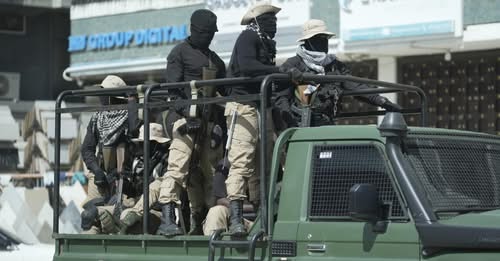
- Human rights groups have dismissed the report as an attempt to downplay state-led repression. Using satellite imagery and field testimonies, these organizations describe a coordinated crackdown, contradicting the government’s claim of isolated incidents.
Diplomatic maneuvering or denial of truth?
The discrepancy between state and independent accounts has thrust the issue of accountability into the spotlight. By releasing a figure significantly lower than outside estimates, the government appears to walk a tightrope—acknowledging some responsibility to ease international pressure while avoiding the risk of facing war crimes allegations before global tribunals.
A civil society representative, speaking anonymously, condemned the report as “a tool of diplomatic rehabilitation rather than a pursuit of truth.”
Can reconciliation prevail?
The release of the inquiry’s conclusions raises a critical question: Does this mark the beginning of healing, or does it signal another fracture in Tanzania’s fragile stability? Calls for an independent international investigation are growing louder across the country.
Analysts warn that until ambiguities persist—regarding both the actual death toll and the identities of those responsible—the specter of the 2025 violence will continue to overshadow the nation’s political landscape. With both sides refusing to accept the other’s version of events, Tanzania now faces a fractured reality where reconciliation remains elusive.