Patrice Talon’s asphalt legacy: connecting benin through 2000+ km of roads
When discussing Patrice Talon’s legacy, one achievement towers above the rest—infrastructure. Over the past decade, this Beninese leader has reshaped the nation’s landscape, turning dusty paths into smooth asphalt arteries. Pothole-ridden roads have been replaced by modern thoroughfares, reaching from bustling Cotonou to remote villages. As his presidency nears its end, it’s impossible to reflect on his tenure without acknowledging this monumental feat. The road network stands as the most visible testament to his transformative leadership.
A vision rooted in mobility: why roads drive economic growth
In 2016, Patrice Talon inherited a nation where poor road conditions stifled progress. His administration recognized a critical truth: without reliable transportation, prosperity stagnates. Businesses struggle to thrive, healthcare remains out of reach, and education faces barriers. Talon’s solution? A sweeping infrastructure overhaul to unlock the nation’s potential. The goal was clear: connect rural farms to urban markets, integrate isolated communities, and attract investors with efficient, well-maintained cities. A decade later, the results speak for themselves.
From dirt tracks to asphalt highways: the numbers don’t lie
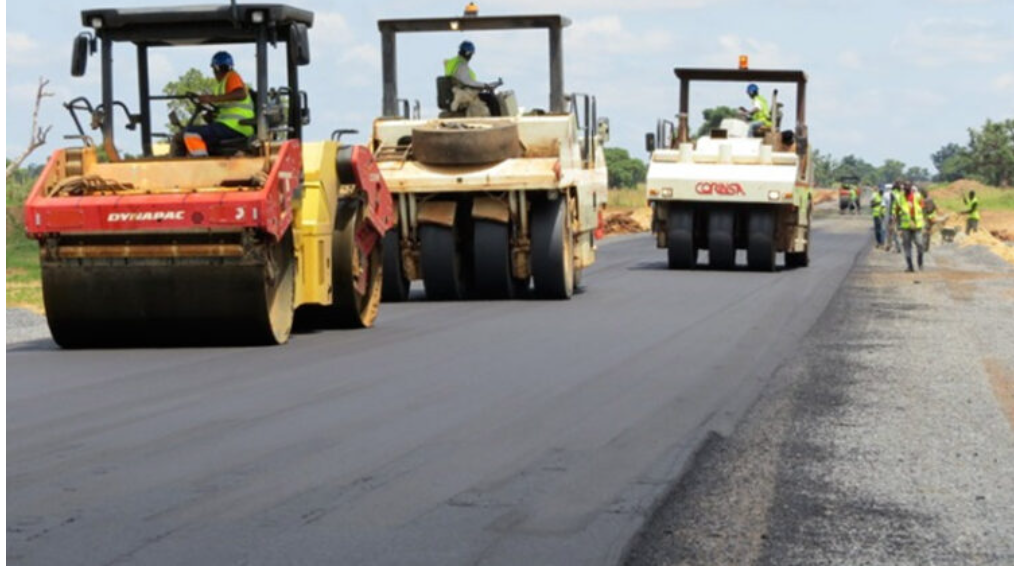
Benin has never seen infrastructure development on this scale. Official records confirm that over 2,000 kilometers of roads have been paved, with another 1,100 kilometers currently under construction. For thousands of families, this means no longer inhaling dust clouds or risking vehicle damage on crumbling roads. Farmers transport produce without damaging their trucks. Parents safely ferry children to school. Once-isolated towns are now connected, vibrant hubs of activity.
The asphalt revolution: transforming benin’s urban landscape
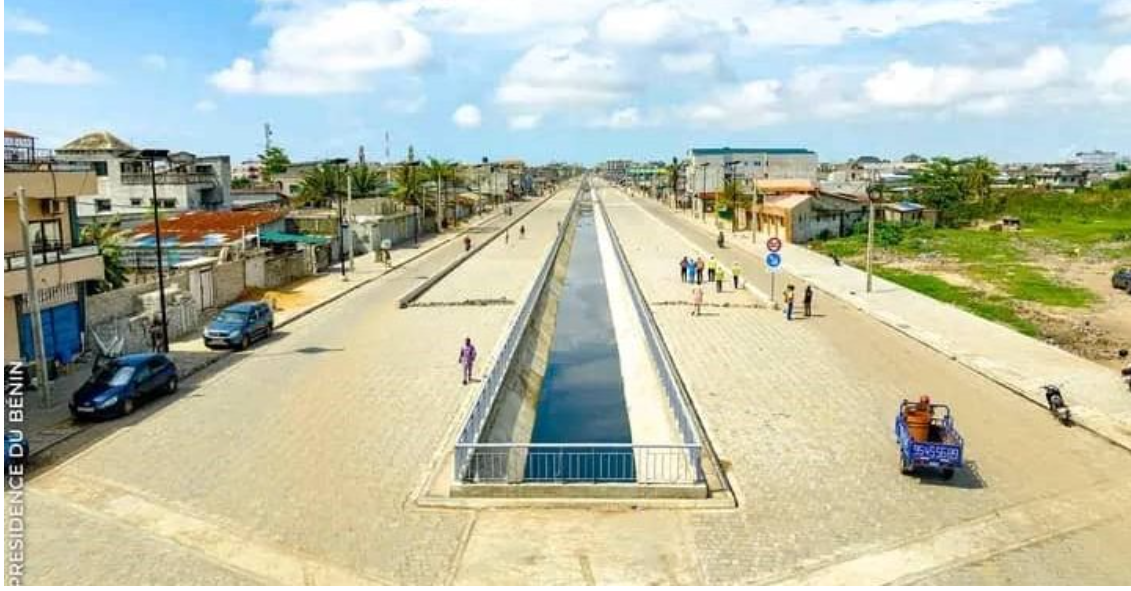
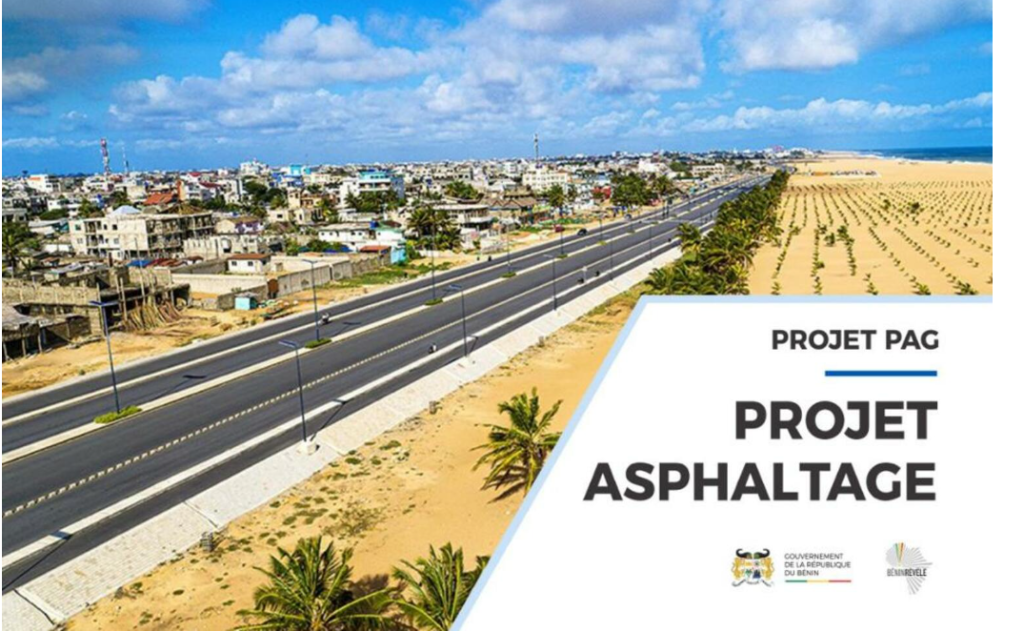
Central to this transformation is the Asphaltage initiative, a groundbreaking urban renewal program. The project revitalized key cities: Cotonou (the economic capital), Porto-Novo (the political capital), and Parakou (the northern gateway). It also enhanced towns like Abomey-Calavi, Djougou, Kandi, Ouidah, and beyond. Entire neighborhoods once abandoned have been reborn, reclaiming their dignity through modern, well-maintained streets.
Today, strolling through Cotonou is a pleasure. Gone are the potholes that swallowed wheels whole. No more mud traps during the rainy season. No more choking dust storms in the dry months. Beninese citizens are rediscovering their country—a place where commutes are smooth, children play in clean streets, and businesses thrive without fear of flooding. Emergency services respond faster, lives are saved, and pride is restored.
Beyond borders: benin’s role in regional connectivity
Patrice Talon’s ambitions extended far beyond urban centers. A prime example is the Cotonou-Niamey highway, a critical trade link between Benin and Niger. Fully rehabilitated, this route now handles a steady stream of cargo trucks day and night. The famous Route des Pêches also underwent massive upgrades, featuring modern bridges and widened lanes to ease congestion. Travel times that once spanned hours now take minutes—a game-changer for regional commerce. Benin has cemented its status as a vital crossroads for neighboring nations.
A cultural shift: from road complaints to national pride
The most profound impact of this infrastructure boom is the shift in public perception. Beninese citizens no longer ask when roads will be built—they ask which town will be next. This change in mindset is revolutionary. Locals take pride in showcasing their neighborhoods, tourists marvel at the transformation, and foreign investors set up shop with confidence. They see a nation on the move, building its future one kilometer of asphalt at a time.
Patrice Talon’s legacy is unparalleled. In a single decade, he paved more roads than all his predecessors combined. He unlocked remote villages, breathed life into stagnant economies, and turned neglected areas into thriving communities. Markets flourish along new routes. Farmlands become accessible. The local economy has flourished. Benin, once overlooked, now commands attention from global partners. Financial institutions celebrate its progress; technical advisors commend its vision. This isn’t happenstance—it’s the result of relentless effort and unwavering commitment.
Under Talon’s leadership, asphalt ceased to be mere pavement. It became a symbol—of progress, of dignity, of a Benin that strides forward with confidence. This legacy is indelible, etched into the land and etched into the hearts of its people.