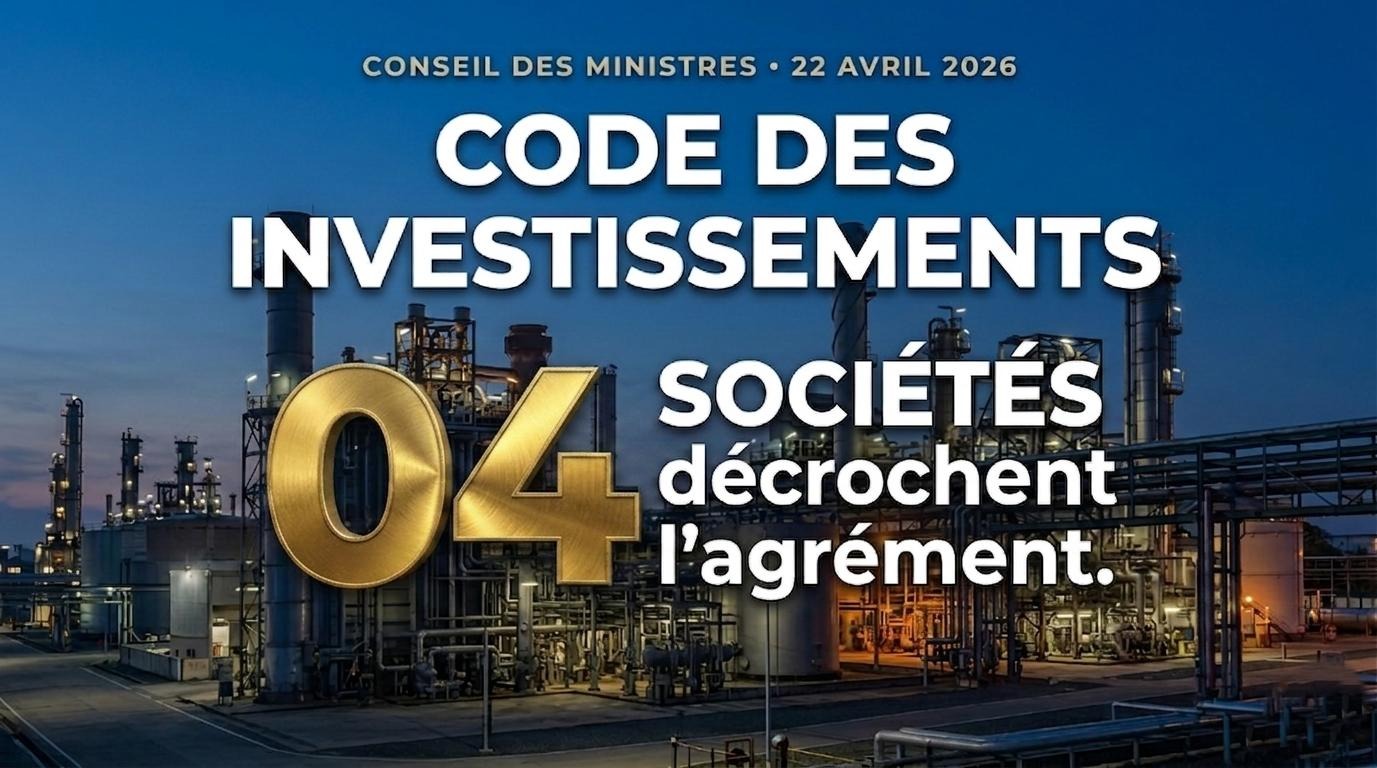
Benin’s economic landscape is undergoing a transformation following the approval of four major industrial projects under the Investment Code. This strategic move, endorsed during the latest Council of Ministers meeting, underscores the government’s commitment to positioning the nation as a key industrial hub in West Africa.
The selected enterprises span critical sectors, including water production, chemicals, and agro-industry, each poised to enhance local production capacity and reduce reliance on imports. By granting these companies preferential treatment under the Benin Investment Code, the authorities aim to stimulate economic growth while fostering job creation for the country’s youth.
Diverse industries, strategic locations
Each project is strategically located to maximize economic and logistical benefits, aligning with the government’s vision of balanced territorial development:
- EAU TECHNOLOGIE ENVIRONNEMENT SA has secured approval to establish a mineral water production facility in the Gakpé Industrial Zone. The initiative targets the rising domestic demand for bottled water, ensuring a steady supply of high-quality products for Beninese consumers.
- SOCIÉTÉ BÉNINO-TUNISIENNE DE COMMERCE SARL, operating under the Regime A framework, will launch a paint manufacturing plant in Sèmè-Podji. This location, a vital commercial crossroads, will strengthen the building materials sector and support local construction activities.
- BNS AGRI INDUSTRIE SARL will process soybeans into crude oil and animal feed at its facility in Azonsa. By leveraging the Regime B incentives, the company will boost the agricultural value chain, creating opportunities for local farmers and processors.
- LIBS BENIN SARL, also under Regime B, will set up a dual-purpose plant in Allada, producing both mineral water and canned beer. This venture taps into growing consumer trends while diversifying Benin’s industrial output.
Economic and social ripple effects
The government’s focus extends beyond mere industrial expansion. These projects are expected to generate a significant number of direct and indirect jobs, providing stable employment for Beninese youth and reducing youth unemployment rates. By prioritizing local production, the state is laying the groundwork for a self-sufficient economy, shifting away from imported goods toward homegrown alternatives.
The Investment Code’s incentives—including tax exemptions, customs duty waivers, and streamlined administrative processes—play a pivotal role in attracting both domestic and foreign investors. This policy framework not only accelerates project implementation but also ensures long-term sustainability for these industries.
As Benin continues to refine its industrial strategy, these four ventures mark a decisive step toward economic resilience and prosperity. The synergy between government support, private investment, and strategic infrastructure positions the country as an emerging force in regional manufacturing and trade.