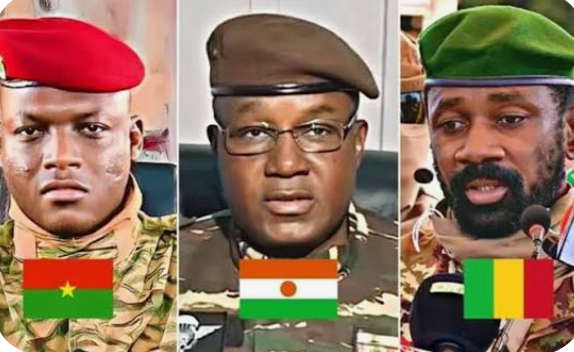
The Alliance of Sahel States (AES), formed to unite Mali, Burkina Faso, and Niger against external threats, is facing unprecedented internal strain. While official narratives emphasize solidarity, a leaked confidential briefing from Burkinabè intelligence has cast serious doubt on Mali’s autonomy in decision-making. The document reveals deep infiltration by Russian-aligned networks, raising questions about the country’s true sovereignty.
Key figures allegedly tied to Moscow
The intelligence report highlights a web of influence extending beyond military advisors to the highest levels of Mali’s government. Among those named are close associates of President Assimi Goïta, such as Yamoussa Camara, along with diplomats, administrators, and even media personalities like Modibo Maïga, Moussa Diakité, and Issa Cissé. Military leaders, including Bakari Koré and Harouna Haidara, are also implicated, alongside militia commanders like Sékou Bolly.
This alleged infiltration suggests a systematic effort to shape Mali’s policies, potentially aligning them with Russian strategic interests rather than the collective goals of the AES.
sovereignty vs. hidden agendas
The paradox deepens when considering the AES’s founding principle: sovereignty. While severing ties with Western powers, Mali may have inadvertently surrendered control to a new foreign actor. Neighbors like Burkina Faso and Niger now question whether Bamako’s military and political choices still serve Sahelian security—or Moscow’s broader geopolitical ambitions.
Tensions are escalating, particularly with Niger, where officials view Mali’s growing dependence on foreign mercenaries and shadow advisors with growing unease. If Mali’s decisions are no longer its own, can the AES truly function as a unified bloc?
an alliance at risk of collapse
The leaked report has fueled skepticism about the AES’s future. Burkina Faso, once a key proponent of the alliance, is now distancing itself from Bamako’s leadership, wary that Russian-influenced policies could destabilize the entire region. The core issue isn’t just battling insurgency—it’s whether the alliance can survive its own internal fractures.
Without Mali reclaiming control over its national decisions, many analysts warn that the AES risks collapsing as quickly as it formed, undone by the very foreign influence it vowed to resist.