Escalating clashes reveal the shifting power dynamics in the Sahel
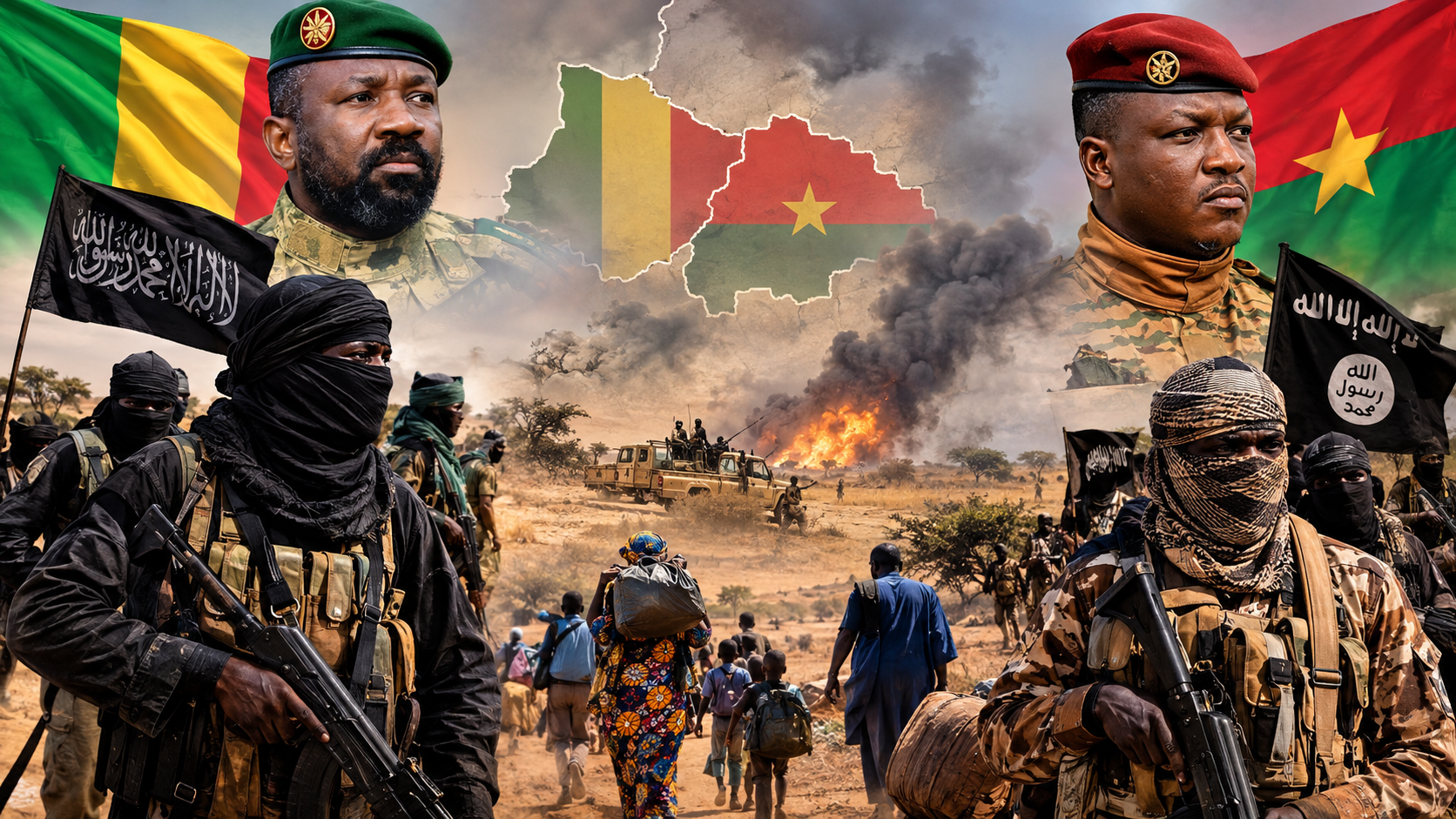
The frontier between Mali and Burkina Faso has emerged as a critical flashpoint in the Sahel’s ongoing security crisis. Recent clashes between the Group for the Support of Islam and Muslims (JNIM) affiliated with Al-Qaeda and the Islamic State in the Sahel (EIS) underscore a troubling shift in the region’s violent landscape. These confrontations are not merely skirmishes; they signal a dangerous escalation where armed factions battle not only state forces but also each other for dominance of territory, trade routes, and civilian populations.
A decisive turning point for military rule in the Sahel
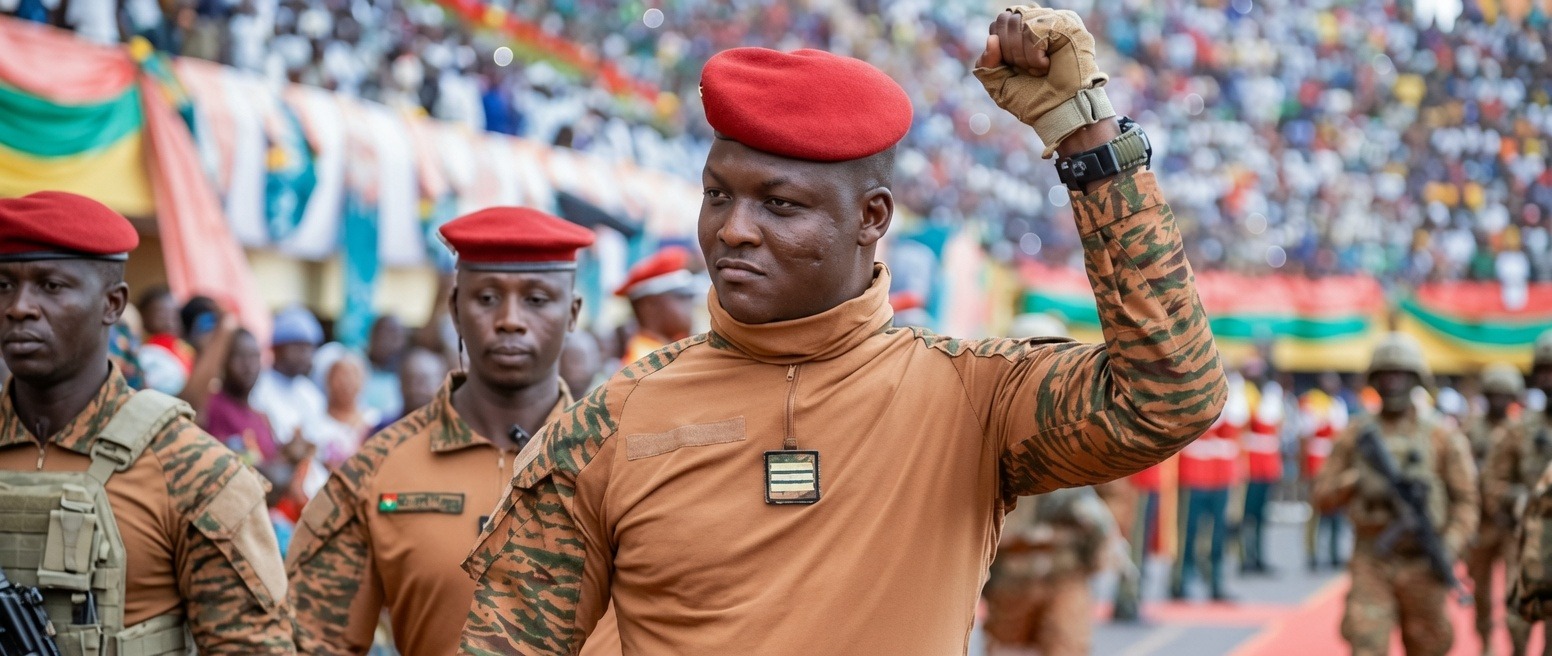
When Assimi Goïta in Mali and Ibrahim Traoré in Burkina Faso seized power, their military juntas promised a decisive return to stability. Restoring security and reclaiming lost territories were central pillars of their political platforms. Yet, years into their rule, the jihadist threat has not abated instead, it has intensified. The latest fighting between JNIM and EIS serves as a stark reminder: the juntas’ strategies are failing to deliver the promised safety to civilians.
The irony is impossible to ignore. Both regimes have staked their legitimacy on reclaiming national sovereignty, yet large swathes of their borders remain lawless battlegrounds. In these contested zones, jihadist factions operate with near impunity, dictating the terms of daily life for local populations. The human toll is severe: families uprooted, livelihoods destroyed, and communities caught in the crossfire of rival armed groups.
The widening chasm between rhetoric and reality
The failure to curb these clashes raises critical questions about the military juntas’ ability to govern effectively. Rhetoric alone has proven insufficient. Declarations of strength, sovereignty, and territorial control ring hollow when civilians continue to bear the brunt of unchecked violence. The persistence of these battles where armed groups dictate terms rather than state actors undermines the very foundations of the juntas’ authority.
It is no longer enough to frame the crisis solely as a military challenge. The fight against jihadism demands more than troop deployments and battlefield victories. Intelligence-sharing, sustained administrative presence, civilian protection, and cross-border cooperation are equally vital. Yet, these elements remain critically underdeveloped in the Sahel’s most vulnerable regions.
The human cost of unchecked insurgency
For those living along the Mali-Burkina Faso frontier, the consequences are immediate and devastating. Displacements are ongoing, markets shutter under threat of attack, and children are denied education. The promise of safety, once a cornerstone of the juntas’ legitimacy, now feels distant and unattainable. The communities here are not just caught in the middle they are paying the price for a conflict that shows no signs of resolution.
The fighting between JNIM and EIS has transformed the region into a testing ground for the limits of military rule. As long as these factions can wage war without facing meaningful resistance from state forces, the juntas’ credibility and the safety of millions will remain at risk.
Why the current strategy falls short
Overreliance on force: Military operations, while necessary, cannot alone dismantle jihadist networks. These groups thrive in environments where governance is absent and populations feel abandoned.
Neglected civilian protection: Without robust mechanisms to shield communities from reprisals, jihadist groups exploit grievances to recruit and consolidate power.
Divided fronts: The rivalry between JNIM and EIS has fractured the opposition to state authority, making it harder for either group to challenge the juntas effectively.
Border vulnerabilities: The vast, porous frontier remains a gateway for armed movements, allowing them to regroup, rearm, and launch attacks with little interference.
The road ahead: from promises to action
The time has come for the juntas to move beyond declarations and demonstrate tangible results. Restoring authority in border regions will require more than proclamations of strength it demands a comprehensive, adaptive strategy that addresses the root causes of instability. For the populations affected, this transformation cannot come soon enough.
The path forward is clear: without a shift in approach, the Sahel’s borderlands will remain contested territories where armed groups set the agenda and civilians pay the ultimate price.
By Ramatou Soumana — Journalist