
The Senegalese Constitutional Council’s repeated rejections of key political initiatives by the Pastef movement have reached a critical turning point, signaling a decisive shift in the nation’s evolving political landscape. What began as bureaucratic hurdles now appears to be a calculated strategy to reshape the trajectory of one of West Africa’s most dynamic political forces.
From opposition to obstruction: the council’s evolving stance
The Constitutional Council’s rulings against Pastef—particularly those involving leadership legitimacy and electoral participation—have intensified in recent months. These decisions have not only delayed political progress but have also raised questions about the council’s role in a democracy. As public frustration grows, the council’s actions are being viewed with increasing skepticism, challenging its reputation as an impartial arbiter of constitutional law.
Critics argue that the council’s interventions reveal deeper political motivations, with some alleging that its rulings align too closely with the interests of established power structures. This perception of partiality has eroded public trust, transforming what was once a respected institution into a focal point of debate and distrust.
Pastef’s response: resilience in the face of adversity
Rather than succumbing to these obstacles, Pastef has demonstrated a remarkable capacity for adaptation. The movement’s leadership, including Ousmane Sonko and Bassirou Diomaye Faye, has employed legal, political, and grassroots strategies to counter the council’s decisions. By rallying supporters and leveraging international attention, Pastef has turned setbacks into opportunities to strengthen its political base.
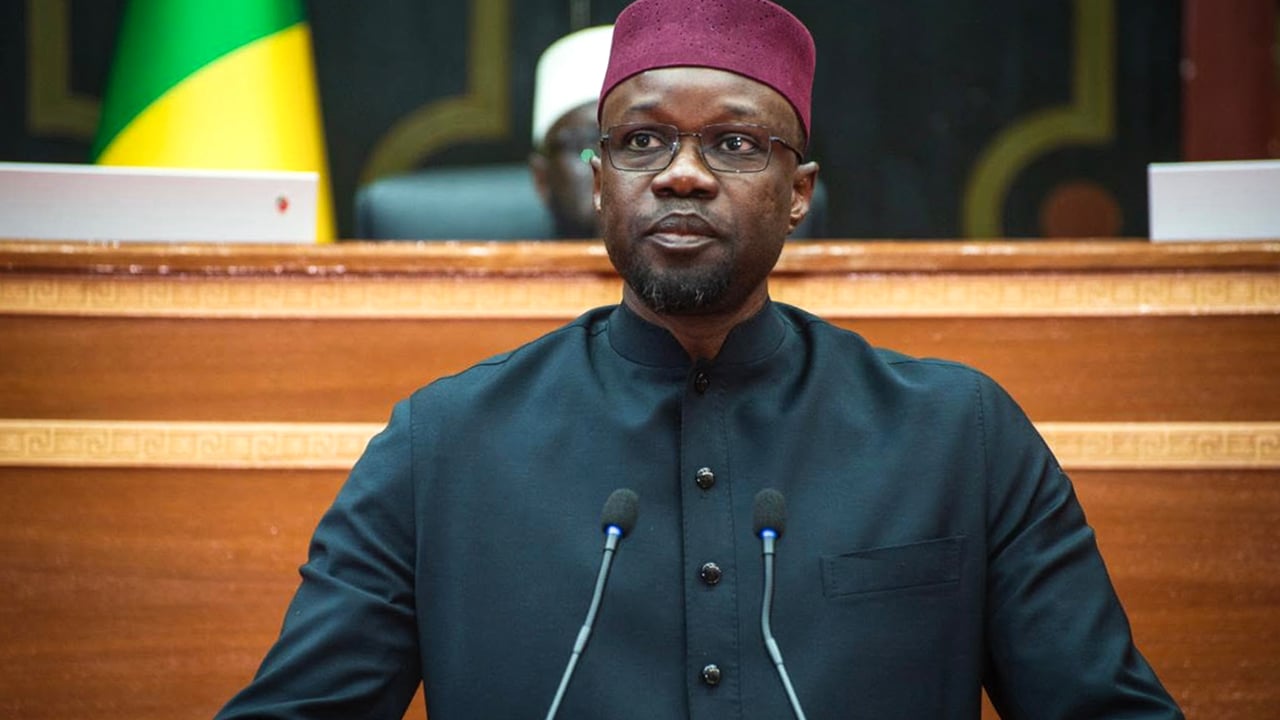
Ousmane Sonko’s recent election as President of the National Assembly, despite ongoing legal challenges, underscores Pastef’s resilience. His leadership has become a symbol of the movement’s ability to navigate adversity while maintaining momentum in the public eye.
The legal battlefield: navigating constitutional hurdles
The council’s rulings hinge on interpretations of Senegal’s electoral and constitutional laws, but the consistency of these decisions has come under scrutiny. Legal experts point to inconsistencies in the council’s reasoning, suggesting that its approach may be evolving beyond mere legal interpretation into something more politically driven. As the council’s role is increasingly questioned, Pastef’s legal team is preparing to challenge its decisions on multiple fronts, including appeals to regional human rights bodies.
Public perception: a shifting tide of support
Public sentiment in Senegal is becoming increasingly polarized. While some citizens view the council’s actions as necessary to uphold the constitution, others see them as a thinly veiled attempt to suppress political competition. Protests have erupted in major cities, with demonstrators accusing the council of undermining democracy and favoring entrenched interests over reform.
Pastef has skillfully capitalized on this discontent, positioning itself as a champion of democratic renewal. Its messaging emphasizes transparency, popular sovereignty, and the right to political participation—values that resonate deeply with younger and marginalized communities.
What’s next for Pastef and Senegal’s political future?
The council’s recent decisions suggest that the standoff is far from over. Political analysts predict that the next phase will involve a high-stakes legal battle, with potential implications for Senegal’s democratic stability. Pastef’s ability to sustain its momentum will depend on its capacity to mobilize both legal allies and public support within a rapidly changing political environment.
For now, one thing is clear: Senegal stands at a crossroads. The clash between the Constitution Council’s authority and Pastef’s ambitions will define the nation’s political direction for years to come. As the movement presses forward, the world is watching—eager to see whether democracy in Senegal will prevail against the rising tide of institutional obstacles.