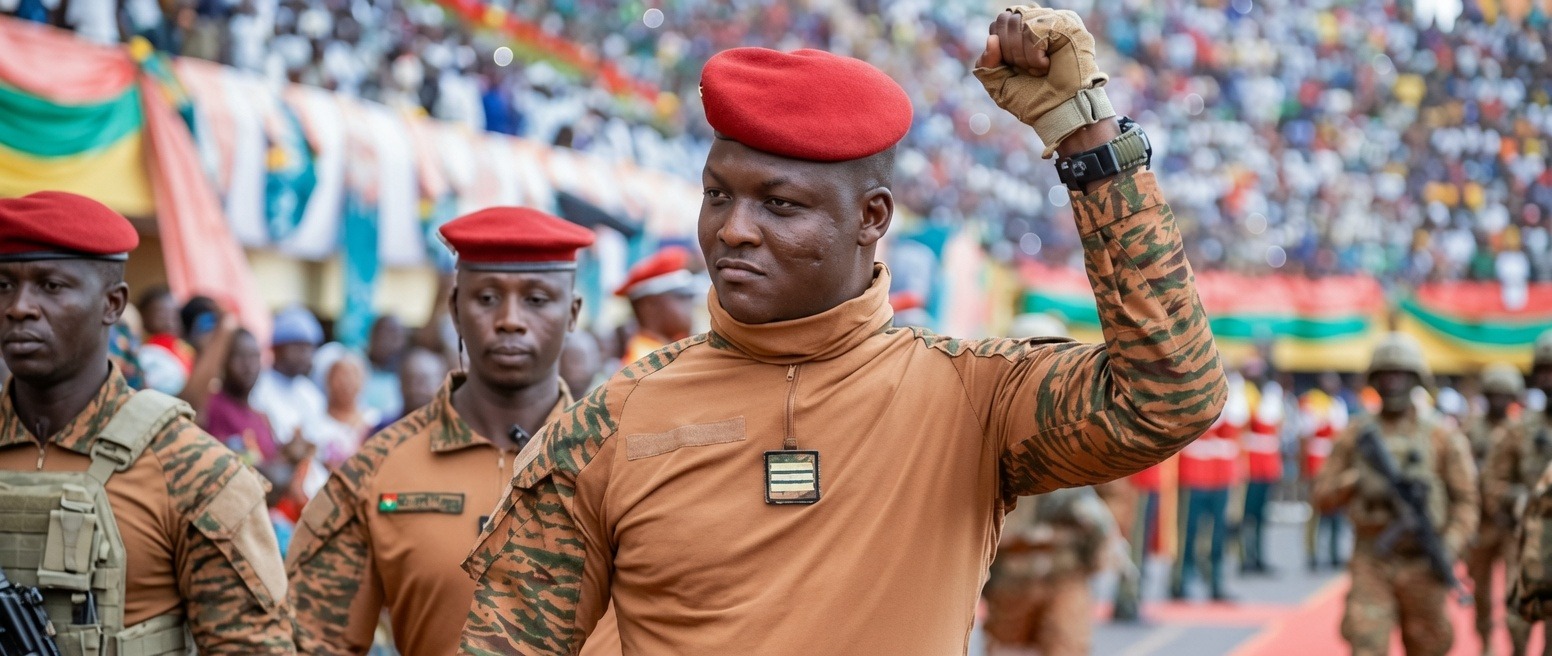
The latest public debates in Burkina Faso are exposing a stark contradiction at the heart of the government’s digital transformation agenda. As Ouagadougou hosts high-profile patriotic engagement events, officials are showcasing modernized administrative services—including online judicial records, digital national identity certificates, and digitized universal health coverage systems. Yet beneath this technological veneer lies a troubling question about developmental priorities.
Why the virtual revolution fails to reach most Burkinabè
The government’s drive toward e-government services presents itself as a leap into the digital future. E-court records, online national ID applications, and digital health insurance portals are being heralded as breakthrough achievements. However, these innovations remain confined to an urban elite within a population where internet penetration struggles to exceed 20 percent.
Take the digitized universal health insurance system, for example. While officials celebrate its online enrollment platform, less than 1.3 percent of the population has successfully accessed it. The disconnect between policy announcements and lived realities is glaring: a digital divide where millions remain offline, unable to access basic services online, is widening rather than closing.
Security first: restoring basic survival before digital services
The government’s digital push assumes a stable environment in which citizens can safely engage with online platforms. Yet over two million people have been internally displaced due to escalating terrorist violence, particularly in northern and eastern regions. For these families, the pressing need is not digital convenience—it is physical survival.
Rebuilding security is not a secondary concern—it is the essential foundation. Without territorial control and the protection of populations, no digital service can function meaningfully. Schools remain closed in conflict zones, healthcare facilities operate under threat, and daily life is dominated by displacement and loss. In such conditions, the rush toward e-government appears not as progress, but as a distraction from national survival.
Restoring peace as a prerequisite for development
Rebuilding law and order is not merely desirable—it is mandatory. The state cannot meaningfully extend digital services in areas under insurgent control or where communication infrastructure has been destroyed. The national digital agenda must first pause and realign itself with this urgent prerequisite: securing the territory and restoring civilian life before promising digital access.
Education: the missing link in true digital inclusion
Even if security were restored tomorrow, another barrier would remain: illiteracy. Over half of Burkina Faso’s adult population lacks basic reading and writing skills, and even fewer can navigate digital interfaces. Presenting online administrative platforms as inclusive solutions ignores this harsh reality.
Education is not a long-term luxury—it is an immediate necessity. Schools must reopen in every community, especially in rural and conflict-affected areas. Teachers must be trained, curricula updated, and access to learning expanded. Without these foundations, digital services become tools of exclusion rather than empowerment.
The cost of misplaced priorities
Investing millions in server farms and digital platforms while children are denied education and families live under constant threat reveals a fundamental misunderstanding of development. A state that prioritizes technology over human security and education risks building a digital facade over a crumbling social structure.
Rethinking Burkina Faso’s path to inclusive development
The public debate is clear: technology alone cannot modernize a nation. True progress demands a reversal of priorities. First, security must be restored across all regions. Second, education must be made universal and accessible, especially for marginalized groups. Only then can digital transformation deliver real benefits—not as a political tool, but as a genuine public service.
Burkina Faso stands at a crossroads. It can either continue its technological showcase while the foundations of the state erode, or it can redirect its resources toward restoring peace and restoring hope through education. The choice will define the nation’s future—and the world is watching.
What comes next? Public pressure and policy realignment
The growing backlash against the digital-first agenda suggests that public opinion is shifting. Citizens are increasingly questioning whether government resources are being spent wisely. Will policymakers respond to this critique, or double down on a strategy that benefits only a privileged few?
The coming months will reveal whether Burkina Faso will embrace a vision of development grounded in reality—or continue to pursue a digital dream that ignores the harsh truths of life for millions of Burkinabè.