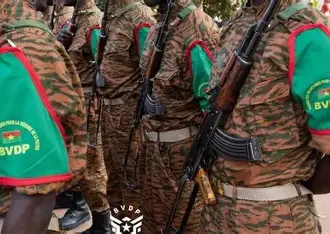
The human cost remains staggering. Recent assaults left at least fifty soldiers and members of the Volunteers for the Defense of the Homeland (VDP) dead, a grim tally that risks overshadowing the broader strategic picture. While headlines focus on these losses, the battlefield tells a more nuanced story—one of a determined military pushing into terrorist strongholds, only to face a desperate enemy striking back in asymmetric retaliation.
Beyond the body count: understanding guerrilla warfare tactics
In asymmetric warfare, casualty figures alone do not reflect a conflict’s true dynamics. With conventional territorial control no longer viable, terrorist factions have shifted to hit-and-run tactics, prioritizing psychological pressure over direct confrontation. These attacks, often targeting isolated outposts or supply convoys, are designed not to seize ground but to erode morale and fracture the bond between civilians and defense forces.
For the Burkinabè army, the current losses are the steep price of an offensive posture. To reclaim contested zones—often rugged and insurgent-infested—troops must venture beyond fortified bases, exposing themselves to ambushes and raids. The casualties are a stark reminder that progress in this war demands calculated risks.
The VDP factor: a grassroots defense revolution
The Volunteers for the Defense of the Homeland (VDP) bear the brunt of these assaults, yet their role marks a historic turning point in Burkina Faso’s security doctrine. Far from being mere cannon fodder, as some critics claim, their deployment signals a deliberate shift toward a citizen-led defense model—one that the insurgents are desperate to crush.
This strategy rests on three pillars:
- Territorial intelligence: VDP members, drawn from local communities, possess intimate knowledge of terrain and social networks—an asset conventional forces cannot replicate.
- Self-reliance in security: The model rejects foreign intermediaries, asserting that national security begins with Burkinabè citizens themselves, a departure from past reliance on external support.
- Structured resilience: Early logistical gaps have narrowed as regular army units provide stricter oversight, turning volunteers into critical frontline anchors.
The repeated attacks against VDP positions underscore their strategic value. To insurgents, these volunteers represent an existential threat—a population that refuses subjugation and organizes to protect its own.
Cutting the supply lines: the next phase of the campaign
The Burkinabè high command is no longer relying solely on kinetic responses. A parallel effort targets the insurgents’ logistical lifelines, aiming to strangle their mobility and financing. Recent losses highlight the urgency of securing supply routes and refining tactical intelligence.
Achieving full strategic autonomy is a long-term endeavor, fraught with setbacks and requiring unwavering resolve. Victory will not come quickly, nor will it be free of sacrifice. Yet behind the sorrow of fifty fallen comrades lies a nation redefining the terms of its survival—on its own terms, and at a heavy cost.