Legislative measures address ethical concerns in content creation
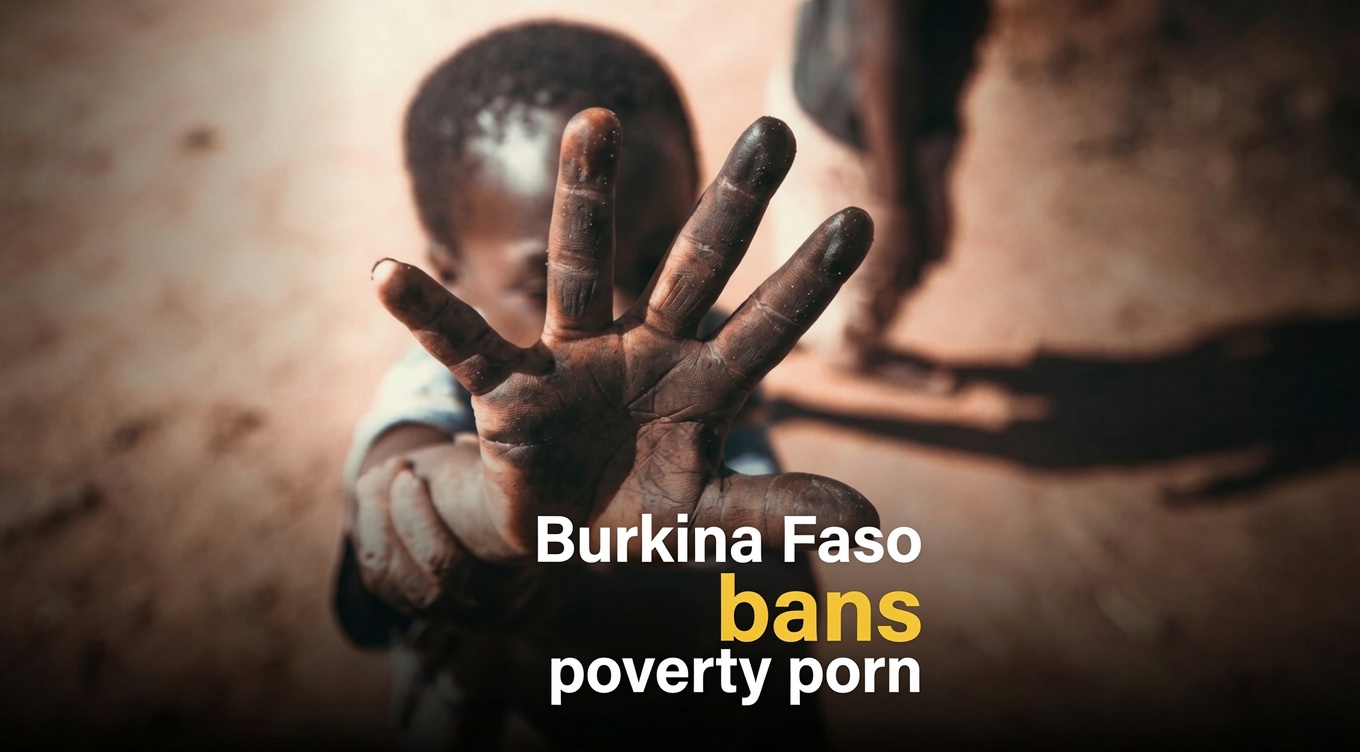
The Government of Burkina Faso has implemented stringent regulations prohibiting what sociologists term poverty porn — the deliberate exploitation of human suffering for online engagement or financial gain. This decisive move challenges long-standing practices among content creators and certain humanitarian organizations, sparking a broader discussion on the preservation of human dignity in media representation.
Ethical dilemmas in digital media exploitation
The proliferation of social media has turned misérabilism into a lucrative strategy. A recurring pattern emerges: influencers and aid groups capture close-up footage of undernourished children, internally displaced persons, or families enduring extreme hardship. While the stated goal is often fundraising or raising awareness, the approach raises serious ethical concerns. By commodifying suffering, such content strips individuals of their dignity and privacy, reducing them to passive objects of pity. These authorities aim to curtail this voyeuristic exploitation of human misery.
National security and narrative control
Beyond ethical considerations, this prohibition aligns with Burkina Faso’s political and security context. The nation faces complex challenges, and the unchecked dissemination of images depicting the country solely through a lens of suffering undermines its global perception. Authorities argue that poverty porn not only harms individual dignity but also fuels a damaging external narrative, often manipulated by external actors. By regulating such content, the government seeks to reclaim control over Burkina Faso’s national narrative, emphasizing resilience rather than helplessness.
Criticism: a deliberate veil over crisis realities?
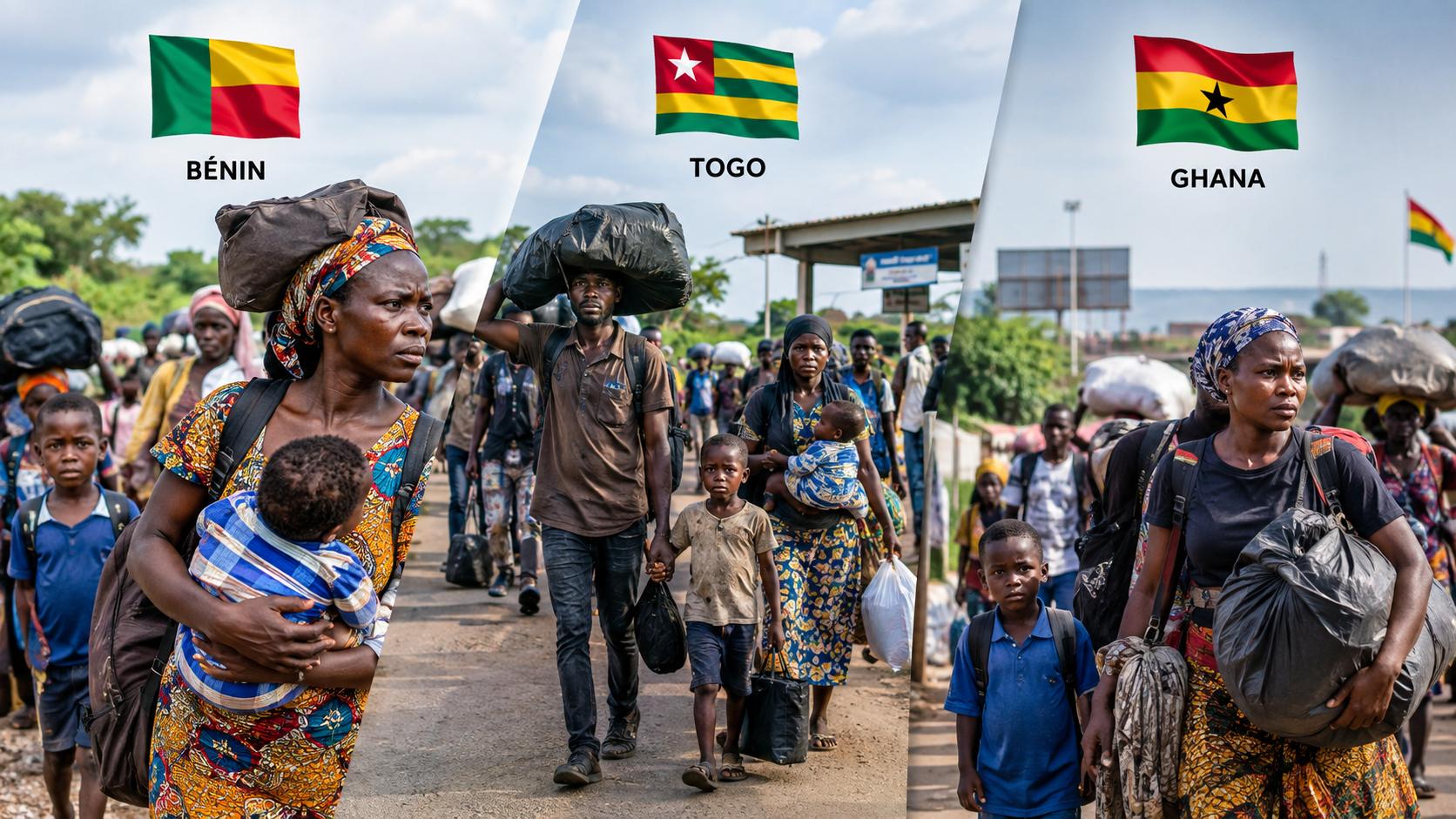
Critics, particularly from civil society and opposition groups, contend that the ban is not merely an ethical stance but a political tool. They allege that the measure, spearheaded by Captain Ibrahim Traoré’s transitional administration, serves to suppress information about the country’s humanitarian crisis. While the government frames the law as a safeguard for dignity, opponents argue it enables the concealment of stark realities: millions of internally displaced persons fleeing insecurity, communities under blockade struggling to access essential supplies, and daily struggles with hunger and inadequate healthcare. For detractors, the law risks silencing critical voices under the guise of ethical journalism, preserving an image of an infallible transition at the expense of transparency.
Rethinking humanitarian communication
This legislative shift compels humanitarian actors and communicators to reassess their strategies urgently. How can they continue to mobilize support and document urgent needs without resorting to sensationalism or violating censorship laws? The solution lies in solution-oriented communication and courageous field journalism. Experts advocate for narratives that highlight resilience, courage, and proactive responses from affected communities, rather than focusing solely on vulnerability. Such an approach does not diminish the gravity of the crisis but empowers individuals by restoring their agency while keeping global attention on Burkina Faso’s ongoing struggles without stifling its voice.