Cameroon’s political landscape is once again embroiled in controversy as the suspension of the Front for National Salvation of Cameroon (FSNC) sparks fierce debate. The opposition Union for Democracy and Progress (UDP) has raised urgent questions about the government’s motives, questioning whether this move is a temporary safeguard or an additional punitive measure against a party already facing legal scrutiny. The decision, announced by Minister of Territorial Administration Paul Atanga Nji, has intensified scrutiny over the authorities’ approach to political dissent in the country.
What triggered the FSNC suspension?
The suspension, effective for three months, stems from allegations outlined in the minister’s decree. These include allegations of:
- Incitement to insurrection and threats to national integrity
- Undermining national unity and sovereignty
- Public disorder, including violence that led to destruction of both public and private property
- Foreign residency of a key party leader
Critics argue that the timing and rationale behind the suspension raise serious concerns about the government’s broader strategy to curb opposition activity.
UDP challenges the government’s justification
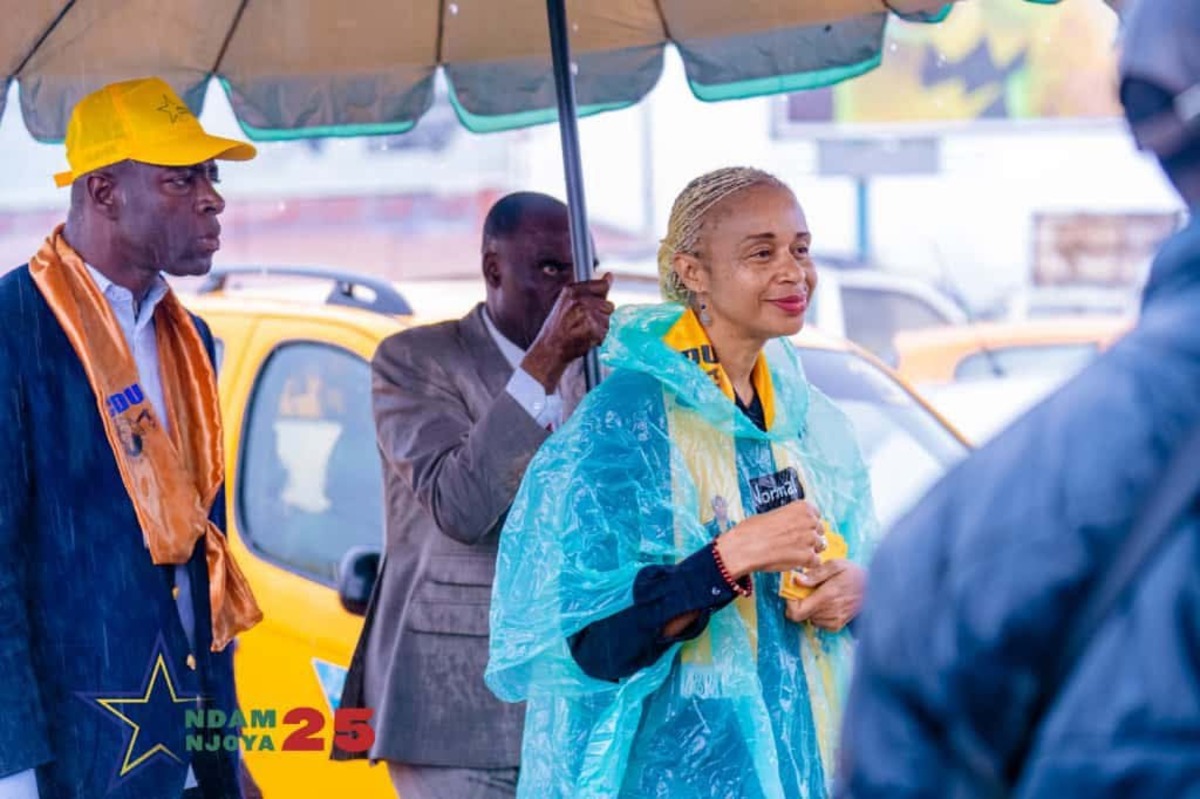
The Union for Democracy and Progress (UDP) has taken a vocal stance, framing the suspension as an overreach that fails to clarify whether it’s a precautionary step or a punitive act layered atop existing legal proceedings. Party spokesperson Hermine Patricia Tomaino Ndam Njoya demanded transparency, questioning the motives behind what she describes as a politically motivated clampdown disguised as administrative action.
The UDP’s public statement highlights a growing sense of unease among opposition figures, who see the suspension as part of a worrying pattern of restrictions on political freedom in Cameroon.
Public reaction and the road ahead
The suspension has ignited a wave of reactions across Cameroonian society. Supporters of the FSNC view the decision as an attack on democratic rights, while government backers defend it as a necessary measure to preserve national stability. The debate has spilled into public discourse, with calls for clarity emerging from civil society, legal experts, and international observers alike.
Analysts suggest that the fallout from this decision could have lasting implications for Cameroon’s political environment. The FSNC’s three-month suspension leaves the party in legal limbo, raising questions about its ability to operate, campaign, and engage in upcoming political processes. Meanwhile, the government faces mounting pressure to justify its actions and address concerns about proportionality and fairness.
What’s next for Cameroon’s opposition?
As Cameroon navigates this period of heightened political sensitivity, the opposition’s response will be critical. Legal challenges, public mobilisation, and diplomatic pressure are among the tools at their disposal as they seek to challenge the suspension and push for a fair resolution. The coming weeks will be pivotal in determining whether this decision deepens divisions or prompts a constructive dialogue between the government and its critics.
The stakes are high, not just for the FSNC, but for Cameroon’s broader political future. The outcome of this dispute could redefine the boundaries of acceptable dissent and set a precedent for how similar cases are handled in the future.